
Plant Now for a Spring Full of Colour
Spring bulbs are one of the easiest ways to add colour to the garden after the long winter. With a little planning now, you can enjoy everything from early crocuses and Iris to cheerful daffodils, tulips and late-spring alliums when the new growing season arrives.
Most spring-flowering bulbs are planted in autumn, giving them time to establish roots before winter. There are plenty to choose from, but a few simple considerations will help you get the best from them in an Irish garden.
Choose Bulbs for a Succession of Colour
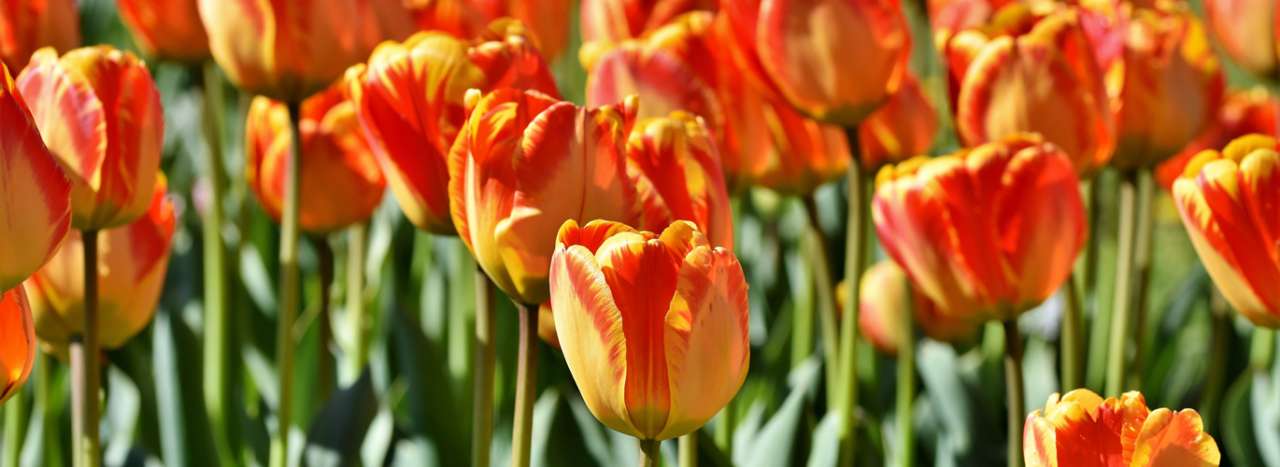
One of the easiest ways to make a spring bulb display last longer is to choose varieties that flower at different times.
| Bulb | Typical Flowering | Good to Know |
|---|---|---|
| Crocus | Late winter – early spring | Excellent for lawns, borders and containers. |
| Iris | Late winter – spring | Several different types offer a range of colours and flowering times. |
| Daffodils (Narcissus) | Early – mid spring | Reliable and excellent for naturalising. |
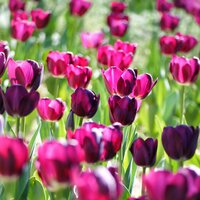
| Tulips | Mid – late spring | Available in an enormous range of colours, shapes and sizes. |
| Hyacinths | Early – mid spring | Highly fragrant and excellent in containers. |
| Alliums | Late spring – early summer | A useful bridge between spring bulbs and the summer border. |
These are just some of the most popular choices. There are many other spring-flowering bulbs worth exploring, including Anemone, Eranthis, Scilla and many more.
Good Drainage is Important
Most spring bulbs are remarkably easy to grow, but they generally dislike sitting in waterlogged soil for prolonged periods. This is particularly worth considering in the wetter parts of Ireland.
Choose a position where water drains freely and avoid planting bulbs in obvious wet spots. If your soil is heavy, incorporating plenty of organic matter and maybe even some grit, can help improve its structure and drainage.
If a particular part of the garden regularly becomes waterlogged, consider raising the planting area or growing your bulbs in containers where you have much greater control over the growing conditions.
Bulbs don't need to be planted in perfectly prepared soil to succeed, but they do need somewhere they can make good root growth. Improving heavy or compacted soil before planting can make a significant difference to how well they perform in spring.
Planting Your Bulbs
As a general rule, plant bulbs at a depth of around two to three times their own height, with the pointed end facing upwards.
Spacing will vary depending on the bulb and the effect you're trying to create - you'll find more specific details on spacing, plant heights etc. within our product descriptions. Planting in groups or drifts usually gives a more natural and impressive display than spacing individual bulbs evenly across a large area.
- Choose a suitable, well-drained position.
- Plant at the recommended depth for the particular bulb.
- Place the bulb with the pointed end upwards.
- Water after planting if the soil is particularly dry.
- Protect newly planted bulbs from being disturbed.
Spring Bulbs in Containers
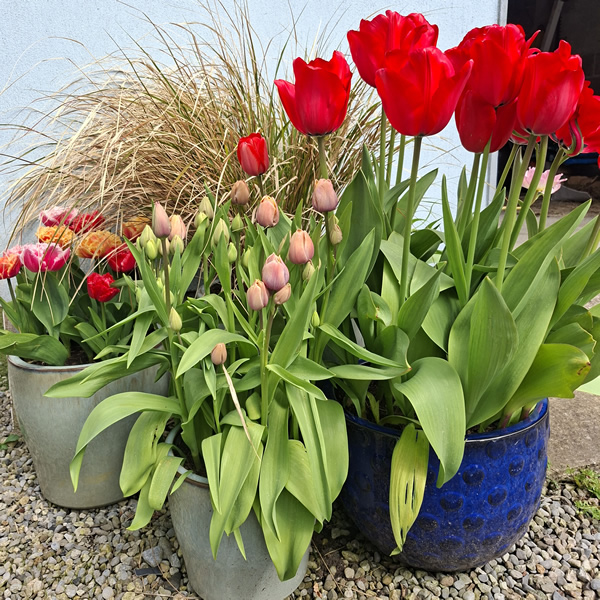
Containers are an excellent alternative if your garden soil is particularly wet or heavy, as you can control both the growing medium and drainage much more easily.
Choose a container with good drainage holes and use a good-quality, free-draining compost. Avoid leaving pots sitting permanently in saucers of water during the winter. Raising your pots on 'pot-feet' is a great way to ensure excess water drains freely.
Containers also give you the opportunity to experiment with combinations of bulbs and create displays that can be moved around the garden as the seasons change.
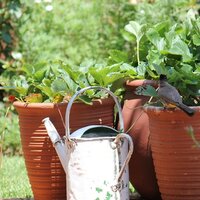
Photo (left) - Mix of spring flowering bulbs in containers along with an ornamental grass - Photo by Mary Frances taken Spring 2026
Try the 'Lasagne' Method
Planting bulbs in layers is an easy way to create a succession of flowers from a single container. The largest, latest-flowering bulbs are generally planted deepest, with earlier and shallower bulbs planted in layers above them.
For example, a container might combine tulips, daffodils and crocuses to provide a succession of colour as spring progresses.
The exact flowering sequence will depend on the varieties you choose, but the principle is simple: plant for different flowering times and enjoy the same container for longer.
Once flowering is finished, the container can be moved somewhere less prominent while the foliage dies back naturally, freeing up your more visible pots for summer displays.
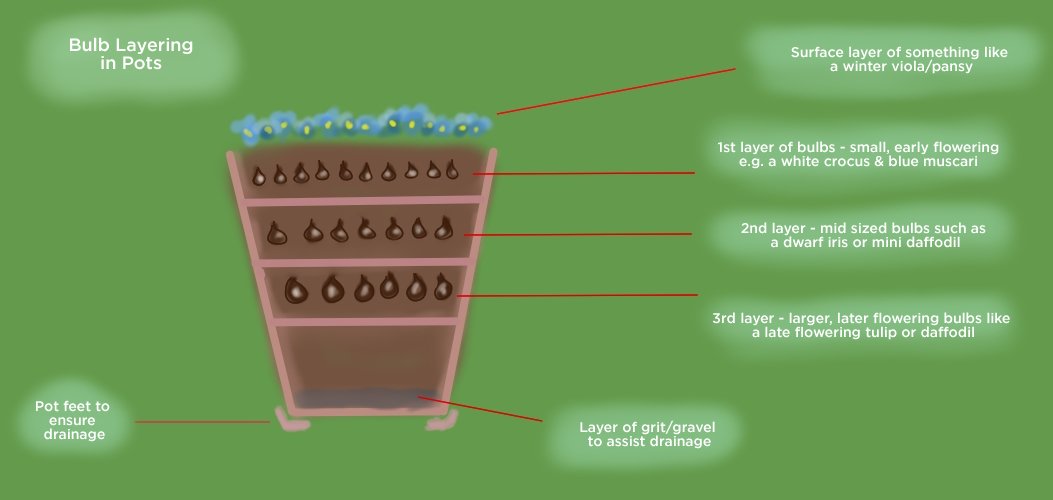
The key to layering is to have your smaller, earlier flowering bulbs at the top, with your larger, later flowering bulbs at the bottom so that you have a long lasting display. You can always add surface plants like violas or winter pansies for a little added interest as well.
Once you've planted your bulbs, mark the area somehow, particularly if they're going into an established mixed border. I have lost count of the number of times I've spotted a 'gap' and decided it would be the perfect place for another perennial, only for my spade or trowel to cut into some of the precious bulbs I'd planted there a few months earlier!
Don't Cut the Foliage Too Soon
When your bulbs finish flowering, it can be tempting to tidy everything away immediately. Try to resist!
The leaves are still feeding the bulb and helping it build up the energy it needs to flower again next year. Allow the foliage to die back naturally before removing it.
Planting bulbs amongst perennials can help disguise fading foliage as the border develops through late spring and summer.
Remember
- Choose bulbs that suit the conditions in your garden, particularly if drainage is poor.
- Plant a mixture of early, mid and late-season varieties for a longer display.
- Containers are a useful alternative for wet gardens and allow you to experiment with layered planting.
- Mark where you've planted bulbs in mixed borders – your future self will thank you!
- Allow bulb foliage to die back naturally after flowering.
Start Planning Your Spring Display
From reliable garden favourites to unusual varieties and spring-flowering bulbs for containers, we're here to help you choose the right bulbs for your garden and growing conditions.