
Preparing Your Garden for Winter and Beyond
November marks a noticeable change in the garden. The days are shorter, temperatures are dropping and many plants are settling into their winter dormancy. However, while the pace of gardening may be slowing down, there is still plenty to do, and some of the most worthwhile jobs of the year can be carried out now.

It may be getting cooler and the days getting shorter but November can still provide some lovely autumn colour in the garden. From left to right - Holly 'Argentia Marginata, Physocarpus 'Diabolo', Pittosporum 'Silver Queen', Cotinus 'Grace', a Japanese Acer and a Cornus Kousa (I forget the varieties now!) and an evergreen Portuguese Laurel. - Photo taken by Richard (AGC) 02/11/2026
This is an excellent time for planting trees, shrubs and hedges, protecting vulnerable plants, caring for the soil and preparing growing spaces for next spring. There's also plenty to harvest and even a little sowing to be done, particularly for those with a greenhouse or polytunnel.
Let's take a look at some of the gardening jobs worth considering this November.
Ornamental Flowers, Trees & Shrubs
Make the Most of Bare-Root Planting Season
One of the biggest opportunities in the November garden is the arrival of the bare-root planting season.
Bare-root trees, shrubs and hedging plants are lifted from the nursery during dormancy and supplied without pots or large quantities of compost. This makes them more economical to produce, transport and purchase, particularly when planting larger areas.
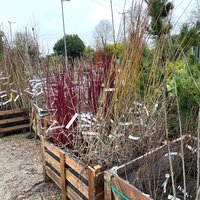
November is traditionally when our selection of bare-root hedging plants becomes available, making this an ideal time to consider establishing a new hedge, filling gaps in an existing one or creating a natural boundary.
Popular choices include:
-
Hawthorn: A hardy native hedging plant, excellent for wildlife and suitable for traditional countryside boundaries.
-
Blackthorn: Useful for wildlife-friendly hedges, with spring blossom and autumn sloes.
-
Beech: Particularly attractive where a formal or semi-formal hedge is wanted, often retaining its coppery-brown leaves through winter.
-
Hornbeam: Similar in appearance to beech but generally more tolerant of heavier soils.
-
Privet: A versatile, easily maintained hedge that may retain much of its foliage through mild winters.
-
Hazel: A useful native choice for informal hedging and wildlife planting.
-
Mixed native hedging: Combining several suitable species can create a more varied and wildlife-friendly boundary.
Bare-root fruit trees will also be coming available this month, providing an opportunity to establish apples, pears, plums and other fruit trees while they are dormant.
Planting tip: Bare-root plants should be planted promptly after purchase. Keep their roots protected from drying winds and sunlight, and never leave exposed roots lying around while preparing the planting area.
Plant only when the ground is workable, not frozen or waterlogged. In our wetter western climate, ensuring adequate drainage and avoiding soil compaction are especially important.
If planting must be delayed, heel the roots temporarily into suitable soil or store the plants according to the nursery's instructions.
Plant Trees, Shrubs and Perennials While Conditions Allow
November can still be an excellent time to plant container-grown trees, shrubs and hardy perennials.
Although there may be little visible growth above ground, many plants can continue developing roots while soil temperatures remain favourable.
Autumn planting also allows plants to benefit from natural rainfall, potentially reducing the amount of watering required during their first growing season.
However, this advantage disappears if the soil is saturated. Working wet ground can damage its structure, particularly where clay is present.
When planting:
-
Choose plants suited to the site, including its exposure, drainage and eventual available space.
-
Avoid digging or walking excessively on waterlogged soil.
-
Plant at the correct depth, keeping the root flare of trees visible.
-
Mulch after planting, leaving a clear gap around stems and trunks.
-
Stake newly planted trees only where necessary, using a suitable flexible tie.
-
Check that exposed plants are securely supported against winter winds.
If the ground is too wet, there's no need to rush. Container-grown plants can be kept safely in their pots until conditions improve, provided they are watered appropriately and protected from extreme weather.
Finish Planting Spring-Flowering Bulbs
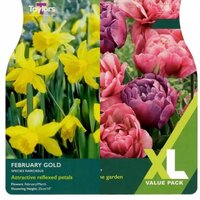
There's still time to plant many spring-flowering bulbs, particularly tulips, which are often planted later in autumn.
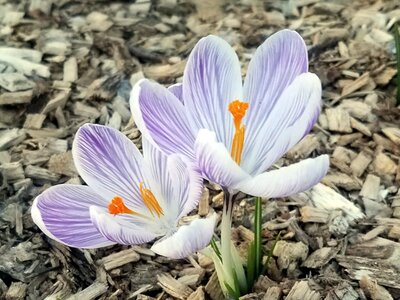
Daffodils, crocuses, muscari and other spring bulbs are generally best planted earlier, but bulbs that remain sound and healthy can still be planted where conditions permit.
For the best results:
-
Choose a well-drained planting position.
-
Plant bulbs at approximately two to three times their own depth, adjusting for the species and soil.
-
Plant in groups or drifts for a more natural display.
-
Use containers where garden soil is too heavy or wet.
-
Ensure pots have adequate drainage holes and do not remain permanently saturated.
Tulips can look particularly effective planted beneath deciduous shrubs, among emerging perennials or in generously filled containers.
If planting bulbs in pots, consider layering different varieties that flower at different times to extend the display into spring.
Protect Tender and Vulnerable Plants
As temperatures fall, it's worth identifying plants that may need additional protection.
Young plants, tender perennials and species that dislike winter wet can all be vulnerable, although the appropriate protection will depend on the plant.
Consider:
-
Moving tender container plants into a greenhouse, conservatory or other suitable sheltered position.
-
Raising pots on feet to improve drainage.
-
Grouping containers in a sheltered area away from prevailing winds.
-
Protecting the crowns of vulnerable plants with a suitable dry mulch where appropriate.
-
Using horticultural fleece during short periods of frost, ensuring it is secured against wind.
-
Checking that evergreen plants in containers do not dry out during prolonged dry spells.
For many plants in the west of Ireland, prolonged winter wet can be just as damaging as frost. Good drainage and shelter may be more valuable than simply wrapping everything in fleece.
Tidy Borders, but Leave Something for Wildlife
November is a good time to remove collapsed, diseased or untidy growth from ornamental borders.
However, there's no need to cut everything down.
Standing stems and seedheads can provide food and shelter for birds and insects, while fallen leaves help protect the soil and support a range of beneficial organisms.
Plants such as Echinacea, Rudbeckia, Sedum (Hylotelephium) and ornamental grasses can provide attractive winter structure.
A balanced approach works well:
-
Remove diseased material and dispose of it appropriately.
-
Cut back plants that have collapsed onto paths or neighbouring plants.
-
Leave healthy seedheads and hollow stems where practical.
-
Clear fallen leaves from lawns and paths, but retain some in beds and sheltered areas.
-
Add suitable healthy plant material to the compost heap.
The result can be a garden that looks cared for without becoming unnecessarily bare.
Continue Planning Winter Containers
Winter containers are particularly useful for adding colour around entrances, patios and seating areas when much of the garden is dormant.
Consider combinations of evergreen foliage, berries, colourful stems and winter flowers.
Heuchera, Skimmia, Carex, ivy, Gaultheria, winter-flowering heathers, violas, primroses and suitable small conifers can all be effective.
A simple combination of Skimmia, Heuchera and trailing ivy provides contrasting foliage and structure, while violas or primroses can add seasonal colour.
Use a suitable compost, ensure good drainage and avoid leaving pots standing in water.
Grow Your Own
Although the outdoor growing season is winding down, November is far from an inactive month in the vegetable garden.
There are still crops to harvest, plants to protect and preparations to make for next year.
For Outdoors
Harvest and Store Remaining Crops
Depending on the season and what you've grown, there may still be plenty to harvest.
Crops worth checking include:
-
Leeks and hardy winter brassicas.
-
Kale, Brussels sprouts and winter cabbages.
-
Carrots, parsnips, beetroot, swedes and turnips.
-
Remaining chard and perpetual spinach.
-
Jerusalem artichokes.
-
Late apples and other suitable stored fruit.
Parsnips often improve in flavour after exposure to cold weather, while hardy brassicas can continue providing valuable harvests through winter.
Root crops may be left in the ground where soil conditions permit, but in very wet gardens it may be more practical to lift and store suitable crops before the ground becomes difficult to work.
Check stored potatoes, onions, squash and apples regularly, removing anything that shows signs of deterioration before it affects neighbouring produce.
Plant Garlic and Overwintering Onions
November can still be a useful time for planting garlic, provided the soil is well drained and workable.
Garlic benefits from a period of cold weather as part of its normal development, but prolonged waterlogging can cause cloves to rot.
Choose certified planting stock from a reputable supplier rather than relying on supermarket garlic, which may not be suited to local growing conditions and can carry disease risks.
Plant individual cloves with the pointed end upwards, allowing sufficient space for the mature bulbs to develop.
Autumn onion sets may also be planted where appropriate, although results will depend on the variety, site and winter conditions.
In particularly wet or heavy soil, planting in raised beds or under cover may offer better results.
Protect Winter Brassicas
Winter cabbages, kale, Brussels sprouts and other brassicas can tolerate a surprising amount of cold, but strong winds, pigeons and waterlogged ground can still cause problems.
Check that tall plants are securely supported and firm loose soil around their bases where necessary.
Inspect netting regularly to ensure it remains securely fixed and does not trap wildlife.
Remove yellowing or diseased leaves where appropriate, and keep an eye out for slug damage during mild, damp spells.
Care for the Soil – Without Digging It Unnecessarily
One of the most valuable November jobs is protecting exposed soil over winter.
Bare ground is vulnerable to heavy rain, erosion, nutrient loss and compaction.
Where beds have finished cropping, consider covering them with a layer of well-rotted compost, leaf mould or another suitable organic mulch.
This helps protect the soil surface and provides food for the organisms responsible for maintaining soil health.
If you use a no-dig approach, November can be a useful opportunity to top up established beds.
However, avoid walking on or working saturated soil. A little patience now can prevent damage that takes months to repair.
Where green manures are already growing, allow them to continue providing cover, managing them according to the species and your plans for the bed.
Collect Fallen Leaves for Leaf Mould
Autumn leaves are one of the most useful free materials available to gardeners.
Collected leaves can be stored in a simple wire enclosure or loosely filled bags with air holes, where they will gradually break down into leaf mould.
Leaf mould is an excellent soil conditioner and can be used as a mulch or incorporated into suitable growing mixes once sufficiently decomposed.
Leaves from different trees break down at different rates, so don't expect everything to be ready at the same time.
Avoid collecting leaves contaminated with litter or other pollutants, and leave some undisturbed in suitable garden areas for wildlife.
For Polytunnels & Greenhouses
A greenhouse or polytunnel can remain a valuable growing space through November, particularly when used for hardy salads and overwintering crops.
However, shorter days and lower light levels mean growth is considerably slower than during spring and summer.
The aim is often to maintain plants and harvest established crops rather than encourage rapid new growth.
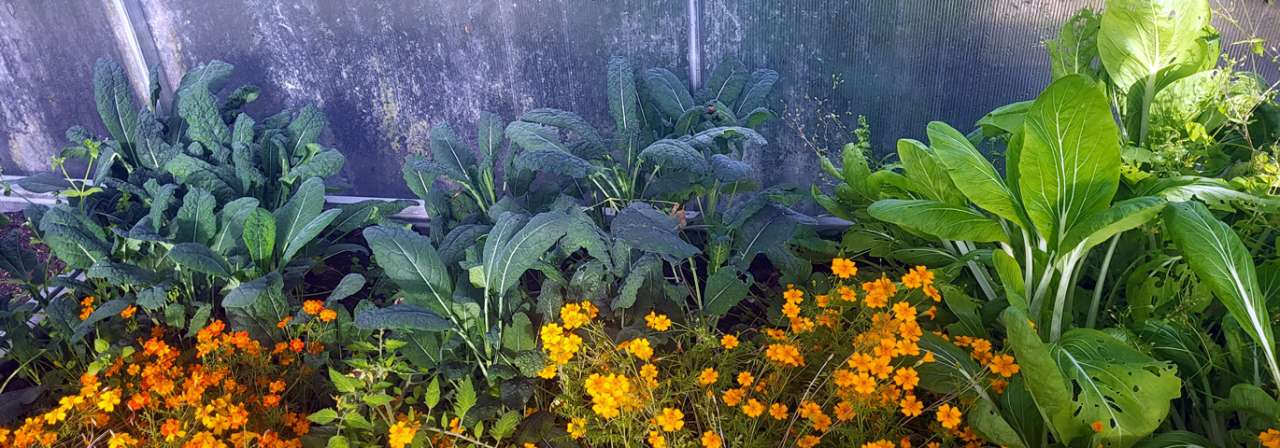
I find that kale is a great plant to have in the tunnel over winter (in this case Cavolo Nero to the left) along with Pak Choi and other oriental leaves. These will provide me with extra fresh young leaves throughout the colder season, in addition to the larger kale plants I have outside. I will thin these plants out though and give them a bit more room to grow. As for the tagetes at the front, I'll clear these out when they eventually stop flowering, but for now they're just brightening the tunnel up!
- Photo taken by Richard (AGC) 02/11/2026
Make the Most of Winter Salads
If you've already established winter salads, November can be a rewarding month for harvesting.
Suitable crops include:
-
Claytonia (winter purslane).
-
Lamb's lettuce (corn salad).
-
Winter spinach.
-
Mizuna, mibuna and other hardy oriental salad leaves.
-
Winter-hardy lettuce varieties.
-
Chervil.
-
Suitable hardy rocket varieties.
Harvesting a few outer leaves at a time can help established plants remain productive.
Further sowings may still be possible in protected conditions, but germination and subsequent growth will depend on temperatures and available light. Late sowings may remain small until conditions improve towards spring.
Where possible, make use of existing established plants rather than expecting newly sown crops to produce substantial winter harvests.
Plant Garlic Under Cover
For those with very wet outdoor soil, a polytunnel bed can provide a useful alternative for growing garlic.
Plant cloves into a well-drained bed, avoiding areas that will be required too early for other crops.
Garlic can occupy the space through winter and into the following growing season, but harvest timing will depend on the variety, planting conditions and weather.
If you plan to follow garlic with tomatoes or other summer crops, consider the likely overlap and allow some flexibility in your planting plan.
Improve Ventilation and Reduce Condensation
Ventilation remains important even during colder weather.
Condensation on polytunnel covers and greenhouse glass can contribute to damp conditions that favour fungal diseases.
On suitable mild days, open doors or vents for a period to encourage air movement, taking care not to expose tender plants to damaging cold.
Remove decaying leaves and unwanted plant debris, and avoid unnecessary watering.
Water the soil rather than the foliage where possible, and preferably early enough for excess surface moisture to dissipate.
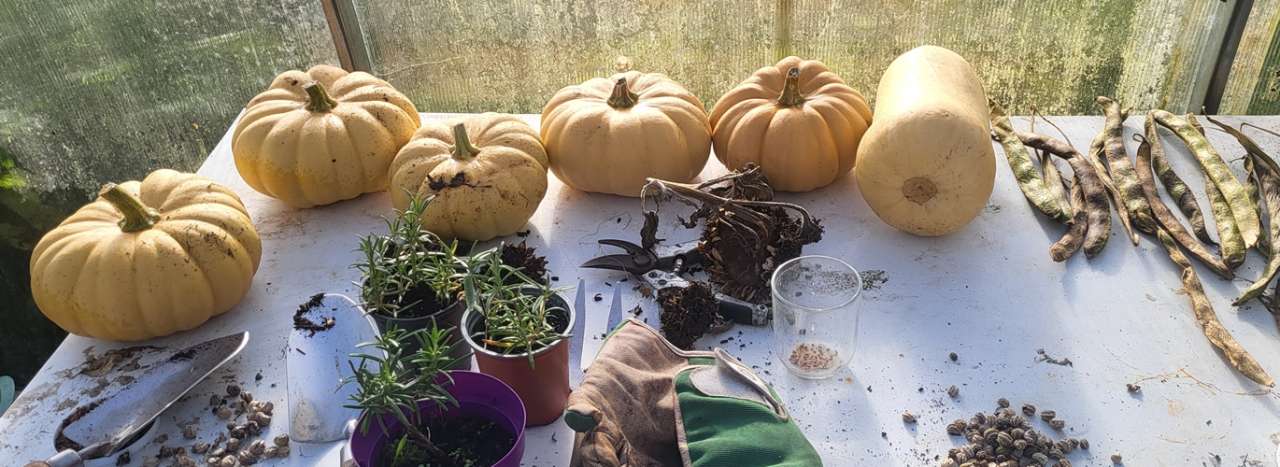
Also in the tunnel I have some squash that has been curing which will go into storage soon, as well as some seeds that I have been drying out (sunflower seed heads in the middle, some nasturtium seeds to the bottom left and right, and some runner beans that are drying in their pods). - Photo taken by Richartd (AGC) 02/11/2026.
Clean and Organise Growing Areas
With fewer crops occupying the space, November is a useful time for maintenance.
Consider:
-
Removing spent crops and old supports.
-
Washing reusable pots, trays and labels.
-
Cleaning glazing or polytunnel covers to improve light transmission.
-
Checking doors, vents and fixings before winter storms.
-
Repairing damaged staging, beds or irrigation fittings.
-
Sorting seed packets and recording what performed well this year.
It's also worth reviewing how the growing space was used during the past season. Were some crops too crowded? Did others occupy valuable space for longer than expected?
A few notes now can make next year's planning much easier.
Indoor Plants
Adjust Watering as Growth Slows
Most houseplants respond to shorter days and lower light levels by reducing their growth.
As a result, they generally need less frequent watering than during the brighter months.
Rather than following a fixed schedule, check the compost and the needs of each plant before watering.
Overwatering is particularly common during winter, when compost may remain damp for much longer.
Ensure decorative pots do not hold excess water around the roots.
Make the Most of Available Light
As daylight hours shorten, it may be worth moving light-loving houseplants closer to suitable windows.
However, avoid placing plants directly against cold glass or in draughts.
Clean dust from larger leaves using a soft damp cloth, helping them make better use of the available light.
Turn plants occasionally if they are growing noticeably towards one side.
Keep Plants Away from Heat Sources
Central heating can create very dry conditions indoors, particularly for tropical foliage plants.
Avoid placing sensitive plants immediately beside radiators, heaters or frequently opened exterior doors.
Grouping plants together or using a suitable humidifier may help where indoor air is particularly dry.
Inspect houseplants regularly for pests such as spider mites, mealybugs and scale insects, which can become troublesome in warm indoor environments.
Care for Christmas Cacti and Other Seasonal Plants
Christmas cacti and other winter-flowering houseplants can provide welcome colour as the outdoor garden becomes quieter.
Keep Christmas cacti in bright, indirect light and avoid sudden changes in temperature or position once buds are developing.
Water according to the condition of the compost, allowing excess water to drain away.
If purchasing seasonal plants such as cyclamen or poinsettias later in the month, protect them from cold conditions during transport and position them appropriately indoors.
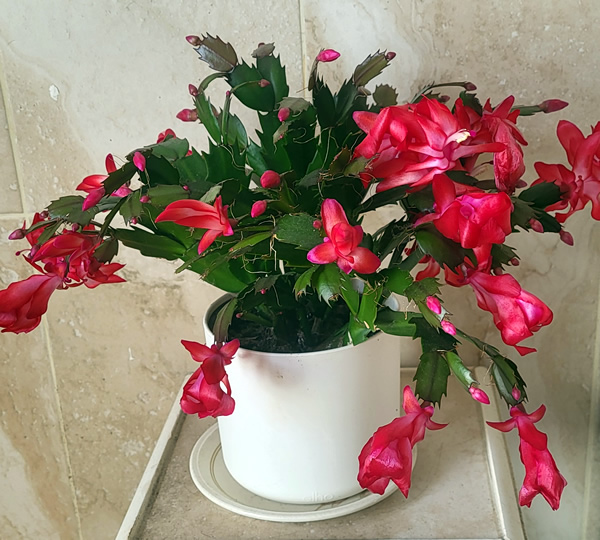
Christmas Cactus (Schlumbergera × buckleyi) flowering in November - Photo taken by Richard (AGC) 02/11/2026
General Garden Maintenance
Prepare for Winter Storms
Strong winds and heavy rain are familiar features of winter in the west of Ireland.
Before the worst weather arrives, take time to inspect the garden for anything that may become damaged or dangerous.
-
Check tree stakes and ties, loosening anything that is restricting growth.
-
Secure garden furniture, empty pots and lightweight decorations.
-
Inspect fences, trellises and pergolas for loose fixings.
-
Remove damaged branches that can be safely reached from the ground.
-
Check greenhouse and polytunnel doors, covers and ventilation panels.
-
Clear leaves and debris from drains and water channels.
Large, damaged or potentially dangerous trees should be assessed by a suitably qualified professional rather than attempting difficult pruning yourself.
Look After Your Lawn
Grass growth is usually slowing considerably, although mild weather can keep lawns growing longer than expected.
If mowing is necessary, raise the cutting height and avoid cutting when the ground is saturated or frosty.
Clear heavy accumulations of leaves, particularly where they are smothering the grass.
Try to minimise foot traffic on waterlogged lawns, as repeated walking can compact the soil and damage the grass.
This is also a useful time to clean and service lawnmowers and other equipment before putting them away for winter.
Maintain Garden Tools
Clean soil and plant debris from spades, forks, secateurs and other tools.
Sharpen cutting blades where appropriate, check handles and lightly oil metal surfaces to help prevent rust.
Drain and store hoses or irrigation accessories where freezing conditions could cause damage.
A little maintenance now can save time and expense when gardening activity increases again.
Support Garden Wildlife
November is a good time to think about how the garden supports wildlife through winter.
Leaving some fallen leaves, seedheads, dead stems and undisturbed corners can provide valuable shelter.
If you feed garden birds, clean feeders regularly and follow current hygiene advice to reduce the risk of spreading disease.
Provide fresh drinking water, especially during freezing weather.
Avoid unnecessary disturbance of log piles, compost heaps and other sheltered places where insects, amphibians or hedgehogs may be overwintering.
If you have a garden pond, remove excessive fallen leaves where necessary, but avoid disturbing wildlife unnecessarily.
Check Compost Heaps
Autumn often provides plenty of material for composting, including leaves, spent crops and garden trimmings.
Balance wetter green material with drier, carbon-rich material such as shredded cardboard, small amounts of woody prunings or dry leaves.
Avoid adding diseased material that may not be safely broken down by a home composting system.
In cold weather, decomposition slows naturally. There's no need to force the process.
Covering a compost heap can help prevent excessive rainfall from saturating the contents while still allowing suitable airflow.
Start Planning for Next Year's Garden
November is also an excellent month for reflection.
While the successes and disappointments of the past growing season are still fresh in your mind, consider making a few notes.
Which vegetables performed particularly well? Which varieties struggled with the weather? Were some flower borders lacking colour at certain times of year?
You might also consider:
-
Planning crop rotations and the use of growing space.
-
Reviewing seed supplies before ordering.
-
Identifying areas that would benefit from additional shelter or drainage.
-
Planning new fruit trees, hedges or wildlife-friendly planting.
-
Deciding which garden projects could be tackled during the quieter months.
A little planning now can make the coming growing season more enjoyable and productive.
Final Thoughts
November may not be the most inviting month for spending long days outdoors, but it can be one of the most rewarding times to invest in the future of your garden.
Planting bare-root trees and hedges, improving soil, protecting vulnerable plants and preparing growing spaces are all jobs that can make a real difference when spring arrives.
And there's no need to tackle everything at once. In our often wet and windy climate, choosing the right day for a job is frequently more important than completing it by a particular date.
Whether you're planting a new hedge, harvesting the last of your autumn vegetables or simply enjoying the changing colours and textures of the garden, there's still plenty to appreciate outdoors.
If you're planning a project or need advice on suitable plants for your garden, our team at Ardcarne Garden Centre in Boyle and Roscommon Town will be happy to help.
Browse our range of plants, bulbs, garden tools and growing essentials online, or visit us in Boyle or Roscommon Town for seasonal inspiration and advice.
Share This Article
If you found this article useful why not share it with your fellow gardeners!