
At a time of year when our homes are filled with Christmas decorations, lights and festive colour, there's something particularly appealing about bringing a little living greenery indoors. Amaryllis bulbs are a wonderful way to do just that. With their impressive, trumpet-shaped flowers, bold colours and surprisingly straightforward care requirements, they can provide a spectacular display during the winter months.
Amaryllis also make excellent Christmas gifts. Unlike cut flowers, a growing amaryllis offers the pleasure of watching something develop, from the first emerging flower stem to the opening of its magnificent blooms. Of course, there's no reason to wait for someone else to give you one! An amaryllis is just as enjoyable as a seasonal treat for yourself, particularly when there's relatively little happening in the garden outside.
Best of all, with suitable care, these bulbs can be kept and encouraged to flower again in future years.
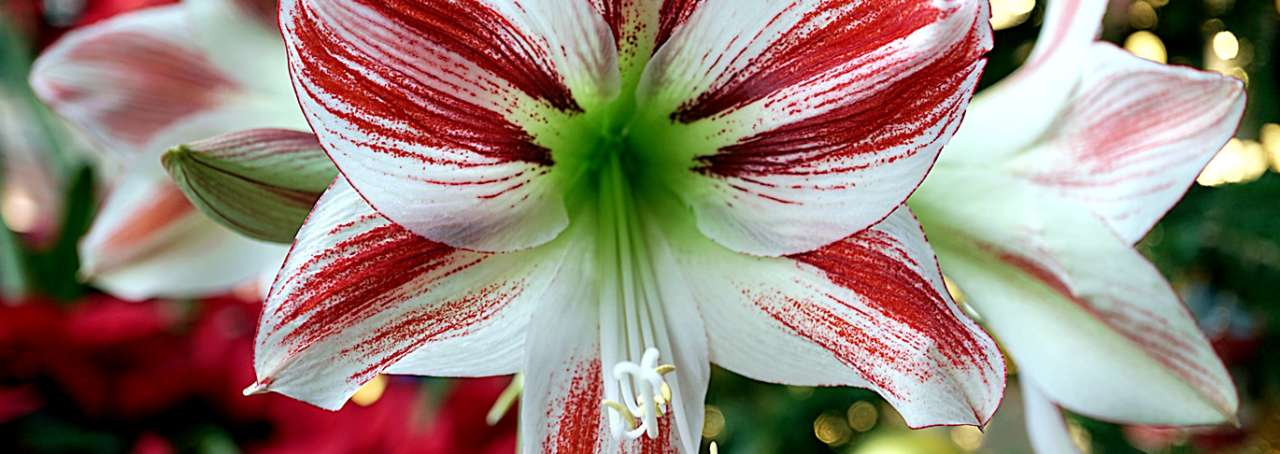
Amaryllis flowering over Christmas - Image by Dave from Pixabay
Amaryllis or Hippeastrum – What's the Difference?
Before looking at how to grow them, there's a little botanical confusion worth clearing up. The plants commonly sold as amaryllis in garden centres, including those available at Ardcarne Garden Centres, are actually members of the genus Hippeastrum. True amaryllis belong to a different genus, Amaryllis, which is native to southern Africa. The best-known example is Amaryllis belladonna, sometimes called the belladonna lily or naked lady, which naturally flowers in late summer or autumn. Hippeastrum, on the other hand, originates from tropical and subtropical regions of the Americas, particularly South America. These are the large-flowered bulbs we associate with indoor winter displays. Both belong to the Amaryllidaceae family, and their historical naming has caused considerable confusion.
Although botanically distinct, the name amaryllis has remained firmly established in horticultural trade and everyday gardening. While we'll continue to use the familiar name amaryllis throughout this guide, the plants we're discussing are technically Hippeastrum hybrids.
Three Beautiful Varieties to Try
Amaryllis are available in a range of colours, including reds, whites, pinks, salmon shades and striking bicoloured varieties.
Three particularly attractive varieties we currently have available (as at the time of publishing!) are:
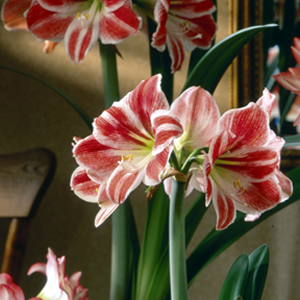
Amaryllis 'Clown'
For something a little different, 'Clown' produces eye-catching flowers with broad red and white markings.
Its bold, striped appearance makes it a particularly attractive choice for festive displays, combining traditional Christmas colours with the beauty of a living flowering plant.
Best for: Bright, cheerful Christmas colour and decorative indoor displays.
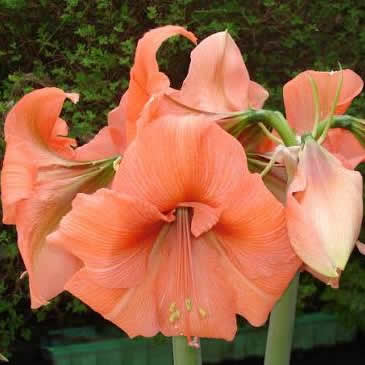
Amaryllis 'Rilona'
'Rilona' offers a softer alternative to the traditional Christmas reds, with large flowers in beautiful salmon-orange to peach tones.
Its warm colouring works particularly well in natural or understated seasonal arrangements and makes it equally appealing as a houseplant beyond Christmas.
Best for: Softer colour schemes, natural Christmas decorations and winter indoor interest.
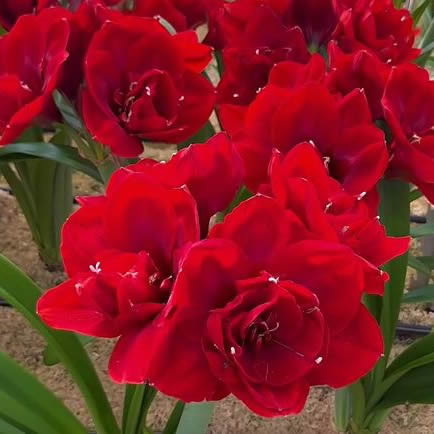
Amaryllis 'Red Velvet'
For those who love the traditional colours of Christmas, 'Red Velvet' is a particularly fitting choice.
Its large, rich red flowers provide a dramatic display and make a wonderful focal point on a table, windowsill or sideboard.
Best for: Traditional festive colour and bold winter displays.
Growing Amaryllis Indoors
One of the attractions of amaryllis is that they are relatively easy to grow indoors, even for those with little gardening experience.
The bulbs already contain much of the stored energy needed to produce their first flowers, so the initial growing process is often surprisingly straightforward.
Growing in Compost
The most reliable method, particularly if you intend to keep the bulb for future years, is to grow it in a pot of compost.
- Choose a pot with drainage holes, only slightly wider than the bulb.
- Use a good-quality, free-draining potting compost.
- Position the bulb with approximately the upper third above the compost surface.
- Water lightly after potting, then allow the surface of the compost to begin drying before watering again.
- Increase watering gradually as roots, leaves and flower stems develop, without leaving the compost waterlogged.
Amaryllis generally prefer to be fairly snug in their pots, so there's no need to use an excessively large container. As the flower stems develop, a heavier pot or decorative outer container can help prevent the plant becoming top-heavy. Always empty any excess water that collects in an outer pot.
Growing in Water
Amaryllis can also be grown in water using a suitable bulb vase or container. The important point is to keep the bulb itself above the water, allowing only the roots to reach the moisture below. A bulb sitting directly in water is much more likely to rot.
This can create an attractive display, particularly in a clear glass container where the developing roots are visible, however, growing in water is generally better regarded as a short-term decorative method. If you want to retain the bulb for future flowering, growing in compost is usually the more practical choice.
What About Wax-Coated Amaryllis?
You may also come across amaryllis bulbs covered in decorative wax. These are specially prepared bulbs that can produce flowers using the moisture and nutrients already stored within them, without requiring a pot, compost or regular watering.They make convenient gifts and unusual decorations, but are generally intended as temporary displays.
Because wax-coated bulbs may have had their roots removed or damaged, successfully keeping them for future years can be difficult. Some gardeners attempt to remove the wax and repot them after flowering, but success is far from guaranteed.
Where Should You Position Your Amaryllis?
Amaryllis grow best indoors in a bright position with good natural light. A bright windowsill can be ideal, although it's best to avoid placing the plant directly above a radiator or close to another strong heat source. While warmth helps encourage growth, excessively high temperatures can shorten the flowering period.
Once the flowers begin to open, moving the plant to a slightly cooler, bright position can help prolong the display. Turn the pot occasionally as the flower stem develops, as it may lean towards the light.
Depending on the variety and growing conditions, the flower stems can become quite tall. A discreet support may be useful if the plant begins to lean.
Will My Amaryllis Flower for Christmas?
Amaryllis are often associated with Christmas, but it's important to remember that flowering times can vary. A prepared bulb may flower approximately six to ten weeks after starting into growth, although some varieties and individual bulbs can be quicker or considerably slower. The bulb's preparation, storage history, temperature and growing conditions all influence when flowering begins.
Commercial growers prepare bulbs for winter flowering by managing their growing and resting conditions before sale. This is often described as forcing, although the term simply refers to encouraging a plant to flower outside its usual seasonal cycle.
For a Christmas display, it's therefore worth starting bulbs well in advance. If you receive one as a gift on Christmas Day, you may find yourself enjoying its flowers in January or February instead and there's certainly nothing wrong with a spectacular display of flowers to brighten up the quieter weeks after Christmas!
Looking After Your Amaryllis While It's Flowering
Once established, an amaryllis requires relatively little attention.
- Keep it somewhere bright, away from excessive heat.
- Water when the upper compost begins to dry, avoiding prolonged waterlogging.
- Turn the pot occasionally to encourage more even growth.
- Support tall flower stems if necessary.
- Remove individual flowers as they fade to keep the plant looking attractive.
A healthy bulb may produce more than one flower stem, with several flowers opening on each. When a flower stem has finished blooming, it can be cut back carefully, leaving any healthy leaves in place.
What to Do After Flowering
Although amaryllis are often treated as seasonal decorations, they are perennial bulbs and can potentially flower for many years. The key to encouraging another display is to help the bulb replenish the energy it used during flowering.
Keep the Leaves Growing
After flowering, continue growing the plant as you would a houseplant. Place it somewhere bright, water appropriately and apply a balanced liquid fertiliser according to the manufacturer's instructions during active growth.
The leaves are important because they photosynthesise, helping the bulb rebuild its stored reserves. Don't cut off healthy green leaves simply because the flowers have finished. Doing so reduces the bulb's opportunity to recover and can affect future flowering.
Can Amaryllis Go Outdoors in Summer?
Once the risk of frost has passed, an established amaryllis can spend the warmer months outdoors in a sheltered position. Introduce it gradually to outdoor conditions, beginning somewhere protected from strong sunlight and wind. In the west of Ireland, where summer weather can be cool and very wet, a sheltered greenhouse, polytunnel or other protected position may be more suitable than leaving the pot exposed to prolonged rainfall. Keep the compost free-draining and continue feeding while the leaves are actively growing. Bring the plant back indoors before autumn temperatures become too low. Hippeastrum are not reliably frost-hardy and should not be left outdoors through an Irish winter.
Resting and Encouraging Your Amaryllis to Flower Again
Once the bulb has had a good period of active growth, you can encourage another flowering cycle.
There are two main approaches.
Allowing a Natural Growth Cycle
One option is simply to continue caring for the plant in a bright position, allowing it to grow and rest according to its own cycle.
Some amaryllis retain their leaves for long periods, while others naturally begin to lose them.
With suitable growing conditions, a healthy bulb may flower again without a deliberately imposed dry resting period, although the timing can be unpredictable.
Encouraging a Resting Period
For gardeners hoping to influence flowering time, a more controlled resting period is sometimes used.
- Allow the plant several months of healthy leaf growth after flowering, feeding it during active growth.
- Later in the year, gradually reduce watering to encourage the plant to rest.
- As the leaves naturally yellow and die back, remove them.
- Keep the resting bulb in its pot somewhere cool, dry and frost-free for approximately eight to ten weeks.
- After this period, move it back to a warmer, bright position and resume watering cautiously to encourage new growth.
Temperatures around 10–15°C are often suitable for a managed resting period, provided the bulb remains dry and protected from frost. This method should not be treated as a guaranteed way of producing flowers for a particular date.
Flowering depends on the bulb's maturity, stored reserves and previous growing conditions. A bulb that has not recovered sufficiently after flowering may produce leaves but fail to flower again immediately.
It's also important not to force a weakened bulb into dormancy before it has had adequate time to grow.
When Should You Repot an Amaryllis?
Amaryllis do not need repotting every year. In fact, they often flower well when slightly pot-bound. Repotting every two or three years is usually sufficient, or sooner if the compost has deteriorated or the bulb has outgrown its container.
The resting period, just before growth resumes, is a convenient time to repot.
- Remove old, loose compost carefully.
- Inspect the bulb and roots, removing only dead or rotten material.
- Choose a pot with drainage holes, slightly larger than the bulb.
- Use fresh, free-draining compost.
- Keep the upper portion of the bulb above the compost surface.
Mature bulbs may occasionally produce smaller offsets around their base. These can be separated when sufficiently developed and grown on individually, although they may take several years to reach flowering size.
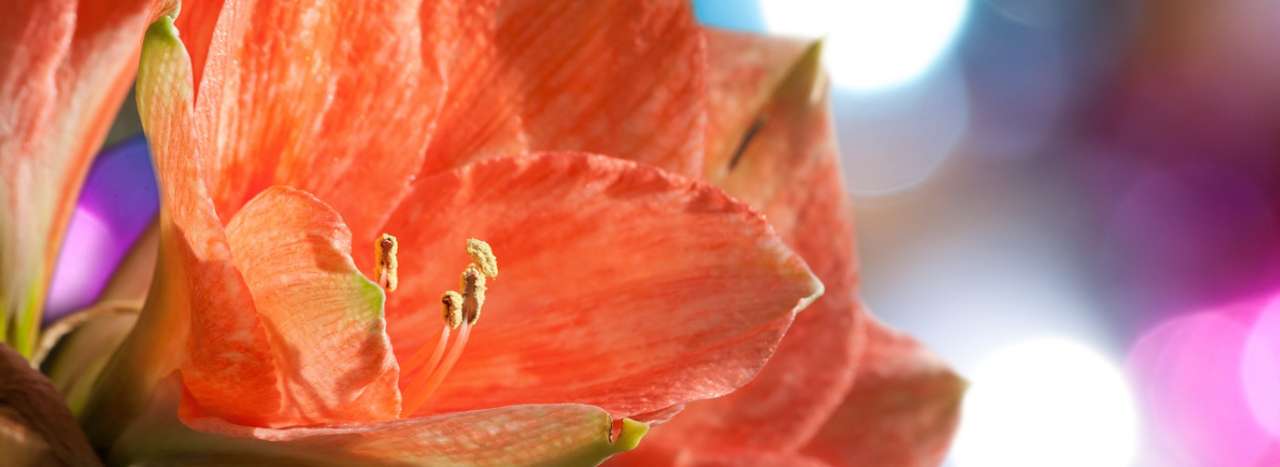
An orange/salmon coloured Amaryllis at Christmas - Image by Stefan Schweihofer from Pixabay
Common Problems
Lots of Leaves but No Flowers
This usually indicates that the bulb has not yet developed sufficient reserves to flower, although inadequate light, unsuitable growing conditions or an immature bulb can also contribute.
Continue providing good light, appropriate feeding and suitable growing conditions rather than immediately forcing another resting period.
The Flower Stem Is Leaning
Amaryllis stems naturally grow towards light and can become top-heavy.
Turn the pot regularly and provide support if necessary. A bright position usually encourages stronger, more balanced growth.
The Bulb Is Becoming Soft
A soft or rotting bulb may indicate excessive moisture or disease.
Ensure the pot drains freely and never allow the bulb to sit in water. Severely rotted bulbs are unlikely to recover and should be discarded.
A Note About Pets and Children
Amaryllis (Hippeastrum) are toxic if eaten, with the bulbs presenting a particular risk because they contain concentrated plant compounds. Keep bulbs and plants out of reach of pets and young children, especially if they are likely to chew or investigate unfamiliar plants.
If you suspect a pet has eaten part of an amaryllis, contact your veterinary practice for advice.
A Living Decoration That Can Last Beyond Christmas
One of the nicest things about amaryllis is that they bring something genuinely natural into the home at a time when much of our festive decoration is artificial.
Watching a flower stem emerge from a seemingly dormant bulb, grow taller each day and eventually open into several enormous blooms is a pleasure in itself.
Whether you choose the traditional festive red of 'Red Velvet', the striking markings of 'Clown' or the softer salmon shades of 'Rilona', these plants can make a wonderful addition to your home during the winter months.
They are equally enjoyable as gifts or as a little treat for yourself and with some simple aftercare, there's every possibility that your amaryllis will become more than just a one-season decoration, rewarding you with another display in years to come.
Bring a little living colour into your home this Christmas.
We have a selection of beautiful amaryllis bulbs available at Ardcarne Garden Centre, including 'Clown', 'Rilona' and 'Red Velvet'. Whether you're looking for a thoughtful Christmas gift or something special to brighten your own home, visit us in Boyle or Roscommon Town, or explore our selection online.
Explore Our Amaryllis BulbsShare this article: