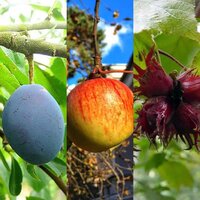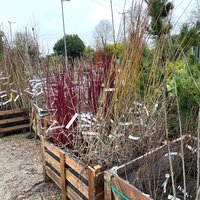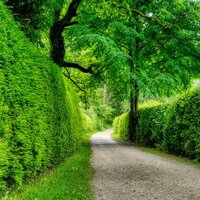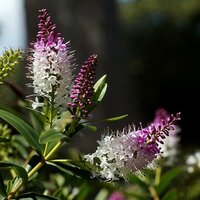

A traditional mixed native hedge is a wonderful addition to an Irish garden, providing an attractive, natural boundary while offering food and shelter for birds, insects and other wildlife. Unlike a hedge made from a single species, a mixed hedge offers a changing display of foliage, flowers, fruits and berries throughout the seasons.
Whether you're planting a short boundary hedge in your garden or establishing something more substantial, the bare-root planting season is an ideal opportunity to get started. In this Quick Garden Guide, we'll look at which plants to choose, how to prepare the ground and the steps involved in planting a healthy, long-lasting hedge.
Why Choose a Mixed Native Hedge?
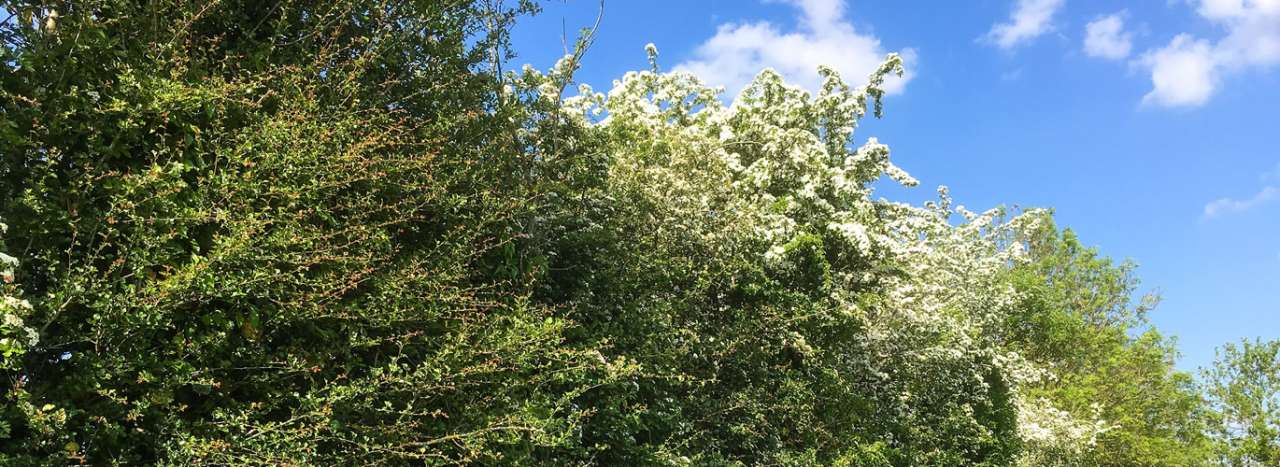
Traditional Irish hedgerows are an important feature of our countryside. As well as defining boundaries and providing shelter, they form valuable wildlife corridors, connecting habitats and offering nesting sites, nectar, pollen and berries.
For the home gardener, a mixed native hedge offers several advantages:
- Wildlife value: Flowers support pollinating insects, while fruits and berries provide food for birds and other wildlife.
- Seasonal interest: Different species flower, fruit and change colour at different times of year.
- Natural appearance: A mixture of plants creates a less formal boundary that blends beautifully into rural and naturalistic gardens.
- Shelter and privacy: As the hedge matures, its interwoven branches provide protection from wind and create an attractive screen.
- Long-term resilience: Using several suitable species provides diversity and reduces reliance on any one plant.
Native hedgerows can support a surprisingly wide range of wildlife. Hawthorn flowers are valuable to insects in spring, while its autumn haws provide food for birds. Hazel produces early pollen and nuts, and holly provides evergreen shelter and, on female plants with suitable pollination, berries.
Choosing Plants for a Traditional Irish Hedge
At Ardcarne Garden Centre, our traditional mixed native hedging bundles contain six species, selected to provide a varied and attractive hedge.
- Whitethorn (Hawthorn): A familiar feature of Irish hedgerows, with white spring blossom, red autumn haws and thorny branches that help create a dense barrier.
- Blackthorn: Another thorny native, producing early white flowers before its leaves appear, followed by dark sloes in autumn.
- Hazel: A vigorous native shrub with attractive rounded leaves, early catkins and nuts that provide food for wildlife.
- Spindle: Particularly attractive in autumn, when its leaves can turn vivid shades of red and its distinctive pink and orange fruits add colour.
- Guelder Rose: Produces clusters of white flowers, bright red berries and attractive autumn foliage. It is especially suited to soils that retain some moisture.
- Holly: An evergreen native that provides year-round structure and shelter. Holly is generally slower-growing than the other species, so it may need a little extra care while establishing.
These species offer a good mixture for many Irish gardens, although it is always worth considering local soil conditions, available space and the eventual size of the hedge. Some species, particularly blackthorn and hazel, can spread or become quite substantial if left unmanaged.
Single-Row or Double-Row Planting?
Single-Row Hedging
For most garden boundaries, a single row is a practical and economical choice. Our mixed native hedge bundles are designed for planting at approximately three plants per metre, giving a spacing of around 33cm between plants.
As the plants grow and branch out, regular management will encourage them to develop into a continuous hedge.
Double-Row Hedging
If you have more space and want to establish a thicker hedge, consider planting two staggered rows, approximately 30cm apart.
Using approximately three plants per metre in each row gives a total of six plants per metre of hedge. Position the plants in the second row between those in the first, creating a zigzag pattern.
This can produce a wider, denser hedge over time and may be particularly useful where additional shelter or a more substantial boundary is required. However, a double row will need more plants, more growing space and potentially more maintenance.
Traditional stock-proof hedges require more than simply planting closely together. The choice of thorny species, establishment, protection from grazing animals and ongoing management all play important roles. In agricultural settings, fencing may still be needed, particularly while the hedge establishes.
For more detailed information about bare-root hedging, including establishing hedges for livestock boundaries, see our complete guide to bare-root plants and hedging.
How to Plant a Mixed Native Hedge
Step 1: Choose the Right Time
Native hedging whips are commonly supplied bare-root during the dormant season, generally from November to March.
Autumn and early winter can be excellent times to plant, allowing roots to begin establishing before spring growth. However, always avoid planting when the ground is frozen or waterlogged.
Here in the west of Ireland, prolonged wet weather can be a greater obstacle than cold temperatures. If the soil is saturated, it's better to wait until conditions improve rather than risk damaging its structure.
Step 2: Prepare the Ground
Clear a strip approximately 60cm wide along the proposed hedge line, removing grass, weeds and competing roots. For double-row planting, prepare a correspondingly wider strip.
Loosen compacted soil where necessary, taking care not to work it when excessively wet. Good preparation is particularly important where the hedge will be planted into an existing lawn or grassy area, as competition from established grass can seriously affect young plants.
Mark out the planting line using a string to help keep spacing consistent.
Step 3: Prepare Your Plants
Bare-root hedging plants are usually supplied as young plants known as whips. Because their roots are not protected by a pot of compost, they must be kept moist and protected from drying winds.
Keep the roots covered until planting. If they appear dry, soak them in water for a short period before planting, but avoid leaving them submerged for extended periods.
If planting must be delayed, temporarily heel the plants into suitable soil, covering the roots completely until you are ready.
Step 4: Plant at the Correct Depth
Dig a hole or planting slit large enough to accommodate the roots without bending or forcing them into a cramped space.
Position each plant at approximately the same depth it was growing in the nursery. A change in colour on the lower stem often indicates the previous soil level.
Spread the roots naturally, backfill with the original soil and firm gently to remove large air pockets without compacting the ground excessively.
Continue along the row, mixing the different species rather than planting each type in a separate block. This helps distribute seasonal interest and wildlife benefits throughout the hedge.
When laying out a mixed hedge, I would avoid planting all the vigorous species together and leaving the slower-growing plants, such as holly, grouped in one section. Mixing them along the row gives a more balanced result, although it's worth keeping an eye on the holly during establishment to ensure it isn't overwhelmed by its faster-growing neighbours.
Step 5: Water, Mulch and Protect
Water thoroughly after planting to settle the soil around the roots. Although winter rainfall will often provide sufficient moisture, newly planted hedging may need additional watering during prolonged dry spells, particularly in its first growing season.
Applying a mulch of well-rotted organic matter or suitable bark around the plants can help reduce weed competition and conserve moisture. Keep the mulch clear of the stems to avoid creating persistently damp conditions around the base.
Where rabbits, hares or deer are present, suitable guards or fencing may be essential. Young native hedging plants can be particularly vulnerable to browsing damage.
Our Mixed Native Hedging Bundles
To make planting a traditional mixed native hedge easier, Ardcarne Garden Centre offers bundles containing a selection of six native hedging species.
These are designed for single-row planting at approximately three plants per metre, with bundles suitable for hedge lengths of 3m, 5m and 8m.
| Native Species | 3m Bundle | 5m Bundle | 8m Bundle |
|---|---|---|---|
| Hazel | 2 | 3 | 5 |
| Blackthorn | 2 | 3 | 5 |
| Spindle | 1 | 2 | 3 |
| Guelder Rose | 1 | 2 | 3 |
| Whitethorn | 2 | 3 | 5 |
| Holly | 1 | 2 | 3 |
| Total Plants | 9 | 15 | 24 |
For double-row planting at the spacing described above, allow approximately twice as many plants for the same length of hedge.
View our mixed native hedging bundles, with prices, currently available for pre-order.
Looking After Your New Hedge
Once planted, the most important task is to give your young hedge the opportunity to establish without excessive competition from weeds and grass.
- Keep the base clear: Maintain a weed-free strip around the young plants for at least the first few growing seasons.
- Water when needed: Pay particular attention during dry periods in spring and summer.
- Check protection: Make sure guards remain secure and aren't restricting growth.
- Replace failures: Any plants that fail to establish can be replaced during the following dormant season.
- Encourage branching: Appropriate formative pruning can help produce a dense hedge from the base, rather than allowing it to become tall and sparse.
The timing and extent of pruning will depend on the species, age of the plants and the type of hedge you want to create. Avoid unnecessary cutting during the bird nesting season, and remember that Ireland has legal restrictions on hedge cutting during the main nesting period, subject to specific exceptions.
If your aim is a more natural wildlife hedge, consider allowing some flowering and fruiting growth to develop rather than trimming every plant into a tightly clipped shape each year.
Choosing Locally Suitable Native Plants
When establishing a native hedge, particularly in the countryside, it is worth asking about the origin of the plants. Where available, Irish-grown plants of appropriate Irish provenance can help preserve local genetic diversity and reduce the risk of introducing unwanted pests or diseases.
It's also worth remembering that not every native species will thrive in every location. Soil drainage, exposure and the surrounding landscape should all influence your final selection.
A successful native hedge begins with suitable plants, careful ground preparation and good aftercare. Whether you choose a single row for a garden boundary or a wider double row, keeping young plants free from competition and protecting them from damage will make a significant difference to their establishment.
And don't expect an instant hedge! Native hedging takes time to develop, but with a little patience it can become one of the most valuable and attractive features in your garden.
Plant a Native Hedge with Ardcarne Garden Centre
Whether you're planning a short garden boundary or a longer stretch of traditional hedging, our team at Ardcarne Garden Centre in Boyle and Roscommon Town can help you choose suitable plants and advise on planting and establishment.
Explore our mixed native hedging bundles and other bare-root plants, or visit us in-store for advice.
Explore Native HedgingShare This Guide
Know someone planning a new garden hedge? Share this guide with them!