
Agapanthus, often known as the African Lily, are among the most striking summer-flowering plants, producing bold clusters of blue, purple or white blooms held high above elegant strap-like foliage. When grown in the right conditions, they offer a long-lasting display and bring a real sense of structure and colour to borders, patios and containers.
In Ireland — particularly along the west coast — agapanthus can perform exceptionally well, provided they are given the warmth, drainage and shelter they need. This guide will help you get the best from these eye-catching plants.
Types of Agapanthus
Agapanthus generally fall into two main groups:
- Evergreen varieties: Retain their foliage year-round and tend to prefer milder, sheltered conditions. These are particularly well suited to coastal areas.
- Deciduous varieties: Die back in winter and are generally hardier, making them a safer choice in colder or more exposed inland gardens.
Both types offer excellent flowering, but choosing the right one for your garden conditions can make a significant difference to long-term success.
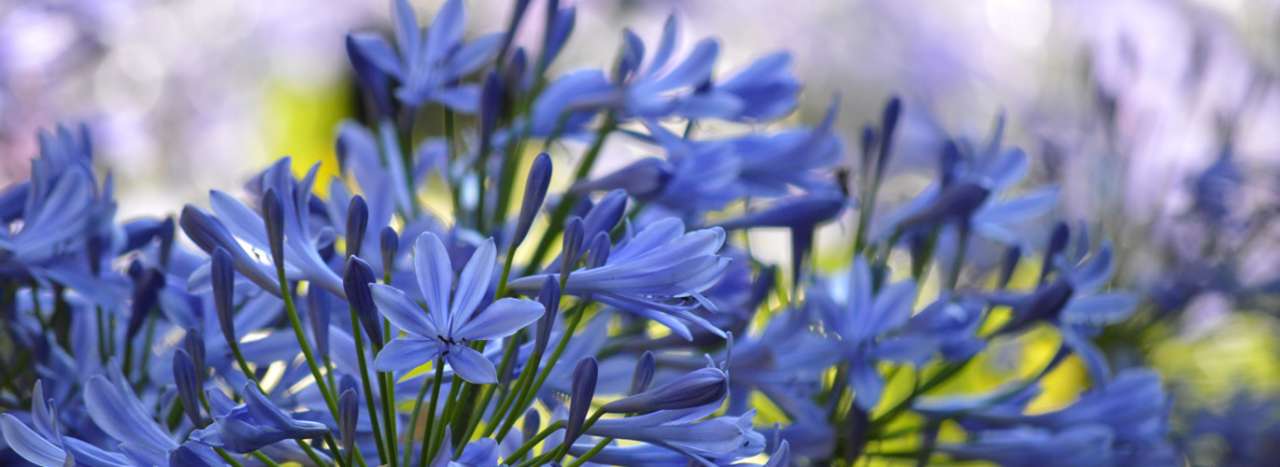
Agapanthus look particularly well when planted in a Mediterranean style scheme with other sun lovers that like well drained soil such as lavender and alliums, where the shades of blue and purple can offer a really calming space - Image by Frauke Riether from Pixabay
Where Do Agapanthus Grow Best?
Agapanthus thrive in a warm, sunny and sheltered position. This is especially important in the west of Ireland, where strong winds and excess moisture can impact flowering.
- Light: Full sun is ideal — the more sun they receive, the better they flower
- Shelter: Protect from strong winds which can damage flower stems and reduce flowering
- Aspect: South or west-facing positions are ideal
Top tip: One of the most common reasons agapanthus fail to flower well is lack of sun or too much exposure to wind.
Soil and Growing Conditions
Good drainage is essential. Agapanthus do not like sitting in wet soil, particularly over winter.
- Soil: Well-drained, moderately fertile soil
- Improvement: Add grit or sand to heavier soils to improve drainage
- Containers: Use a free-draining compost mix — ideal for controlling moisture levels
In wetter parts of the west, growing agapanthus in containers can often give more reliable results than planting directly into the ground.
Planting Agapanthus
The best time to plant agapanthus is in spring, allowing them to establish before winter.
- Plant with the crown just below the soil surface
- Water in well after planting
- Space plants to allow good air circulation
Agapanthus often flower better when slightly restricted, making them particularly well suited to containers.
Growing Agapanthus in Containers
Container growing is one of the most reliable ways to grow agapanthus in Ireland. The advantage of container growing agapanthus is that you can have more control over moisture levels and they can be moved to a dryer, frost free position over winter. Container growing also allows root restriction and keeping plants slightly pot-bound can encourage stronger flowering.
- Choose a pot only slightly larger than the root ball
- Ensure excellent drainage (add grit to compost)
- Place in a sunny, sheltered position
Feeding and Care
Regular feeding will support healthy growth and flowering:
- Use a balanced feed in spring
- Switch to a high potash feed during flowering season
- Avoid excessive nitrogen, which can lead to leafy growth at the expense of flowers
Remove faded flower heads to encourage further blooms and keep plants looking tidy.
Winter Care (Important in Ireland)
Winter protection is key, particularly in wetter or colder areas.
- Evergreen types: Protect crowns with mulch and shelter from cold winds
- Deciduous types: Die back naturally — apply mulch to protect roots
- Containers: Move to a sheltered spot or against a wall
Excess winter wet is often more damaging than cold, so drainage remains critical.
Common Problems
- Lack of flowers: Usually due to insufficient sun, overfeeding with nitrogen, or plants being too exposed
- Waterlogging: Can lead to root rot — improve drainage
- Frost damage: Protect crowns during severe weather
Why Won’t My Agapanthus Flower?
This is one of the most common questions we hear, and in most cases the cause comes down to a few key factors.
- Not enough sunlight: Agapanthus need as much sun as possible to produce flowers. Shaded or exposed positions often result in strong leaf growth but few blooms.
- Too much nitrogen: Overfeeding with general fertilisers can lead to lush foliage at the expense of flowers. Switch to a high potash feed during the growing season.
- Too much space: Agapanthus often flower better when slightly restricted. Over-potting or planting into very rich, open soil can delay flowering.
- Exposure to strong winds: In coastal or open gardens, wind can stress plants and reduce flowering performance.
- Winter damage: Harsh winters or excessive wet can affect flowering the following season.
Top tip: If your agapanthus is healthy but not flowering, it’s often worth reassessing its position — more sun and shelter can make all the difference.
Varieties We Love This Season
Agapanthus come in a range of colours and forms, making them suitable for both bold displays and more subtle planting schemes. Here are a few standout varieties available this season:
- ‘Blue Umbrella’ – A reliable and free-flowering variety producing large, rounded heads of rich blue flowers. Ideal for borders or containers and well suited to Irish conditions.
- ‘Poppin’ Purple’ – A striking variety with deep purple blooms that add real depth and contrast to planting schemes. Excellent for creating a more dramatic display.
- ‘Brilliant Blue’ – As the name suggests, this variety produces vibrant blue flowers on strong stems. A great choice for brightening borders or patio pots.
- ‘Black Magic’ – A more unusual variety featuring dark buds that open into deep-toned flowers, offering a slightly more contemporary look in garden design.
All of these varieties benefit from the same key conditions — plenty of sun, good drainage and a sheltered position.
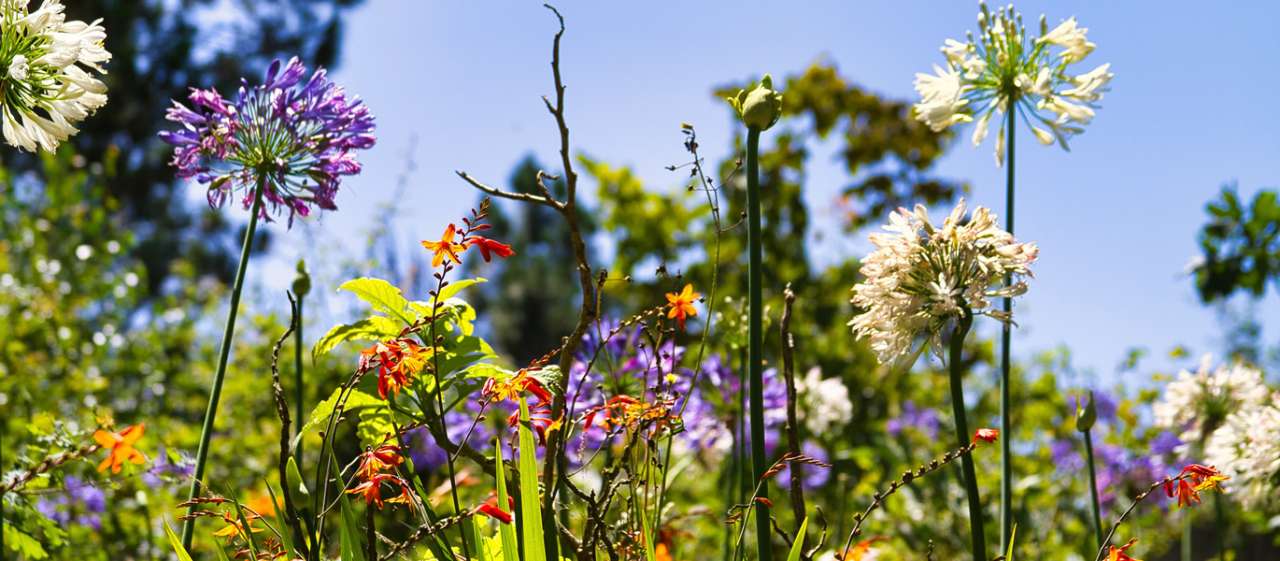
White and blue agapanthus are pictured here in a mixed herbaceous border towering above smaller varieties of crocosmia - Image by Murilo Osorio from Pixabay
Companion Planting Ideas
Agapanthus work beautifully as part of a wider planting scheme, particularly in sunny, well-drained borders or container displays. These conditions make them well suited to a Mediterranean style garden scheme but hey are also a popular plant for cottage style gardens and coastal areas.
For a cohesive and visually striking display, consider pairing with:
- Lavender: Complements agapanthus with similar growing conditions and attracts pollinators.
- Alliums: Echo the rounded flower shape and extend seasonal interest.
- Grasses (such as Stipa or Festuca): Add movement and contrast to the bold structure of agapanthus.
- Salvia and Nepeta: Provide a softer, more naturalistic look while thriving in similar conditions.
- Crocosmia: The globes of purple or blue flowers can look stunning when contrasted with the bright orange or red flowers of varieties like 'Lucifer' or 'Ember Glow'.
These combinations not only look effective but also create a planting scheme that thrives under the same sunny, free-draining conditions.
Propagation
Agapanthus can be propagated from seed, which can be collected at the end of the season when the seed pods are dry and the seed fully set. Seed propagated agapanthus can be grown on and can flower within 2 years.
They can also be propagated from division. Congested clumps should be divided every 4-5 years in spring or in autumn, after flowering. You will need to dig up the root-ball and divide the crown with a sharp spade. You may need to be quite brutal as these tend to be tough and it may require you to insert two garden forks back to back to prize sections apart. These sections can then be transplanted to their final position as you would a new plant.
Final Thoughts
Agapanthus are a rewarding addition to any garden, offering bold colour and structure through the summer months. With the right balance of sun, shelter and drainage, they can thrive even in the west of Ireland, whether planted in borders or displayed in containers.
By understanding their needs and giving them the right conditions, you can enjoy reliable flowering year after year.
Looking to add agapanthus to your garden?
Visit our garden centres in Boyle and Roscommon or browse our range to find the perfect varieties for your space.