
When we think of ferns, many of us picture lush, green foliage growing beneath trees, along woodland paths or beside a shaded stream. And while ferns certainly excel in these situations, there's much more to this fascinating group of plants than first meets the eye.
From bold, architectural evergreen specimens to delicate, finely divided foliage, silvery leaves and varieties that develop beautiful autumn colours, ferns offer an enormous range of possibilities for the garden.
They're also rather unusual plants. Unlike most of the familiar flowering perennials we grow, ferns don't produce flowers or seeds. Their life cycle is quite different, and understanding a little about how they grow and reproduce makes them all the more interesting.
Whether you're looking to bring life to a shady corner, soften the edges of a pathway, create a naturalistic planting scheme or add texture to a container display, there's probably a fern worth considering.
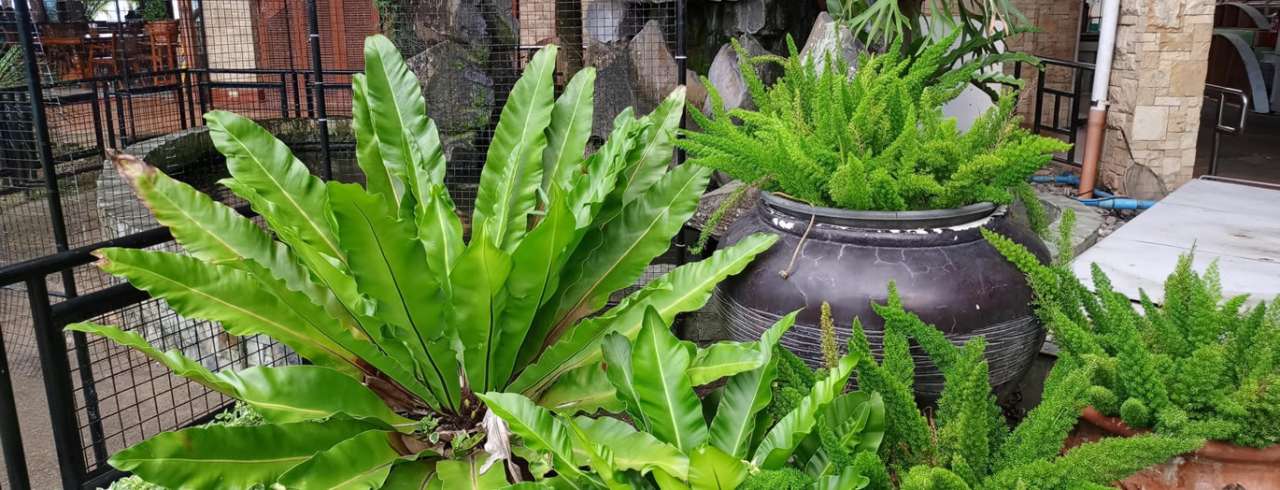
Here we see a mixture of ferns planted in a raised bed and some urns in a Japanese style garden display
- CC0 licensed photo by Mohammed Kateregga
What Exactly Is a Fern?
Ferns are an ancient group of vascular plants, meaning they have specialised tissues that transport water and nutrients throughout the plant, just as flowering plants do.
However, ferns evolved long before flowering plants appeared, and they reproduce using spores rather than flowers and seeds.
The familiar leafy part of a fern is called a frond. Depending on the species, fronds may be broad and undivided, finely feathered, upright, arching or spreading.
Many ferns produce their new fronds in spring as tightly coiled structures, sometimes called fiddleheads or croziers. These gradually unfurl as they grow, creating one of the most attractive displays of the gardening year.
How Do Ferns Reproduce?
Turn over a mature fern frond and you may notice rows or clusters of small brown markings on its underside.
These are often mistaken for pests or signs of disease, but they're usually perfectly natural.
The markings are called sori, and each contains structures known as sporangia, which produce and release spores.
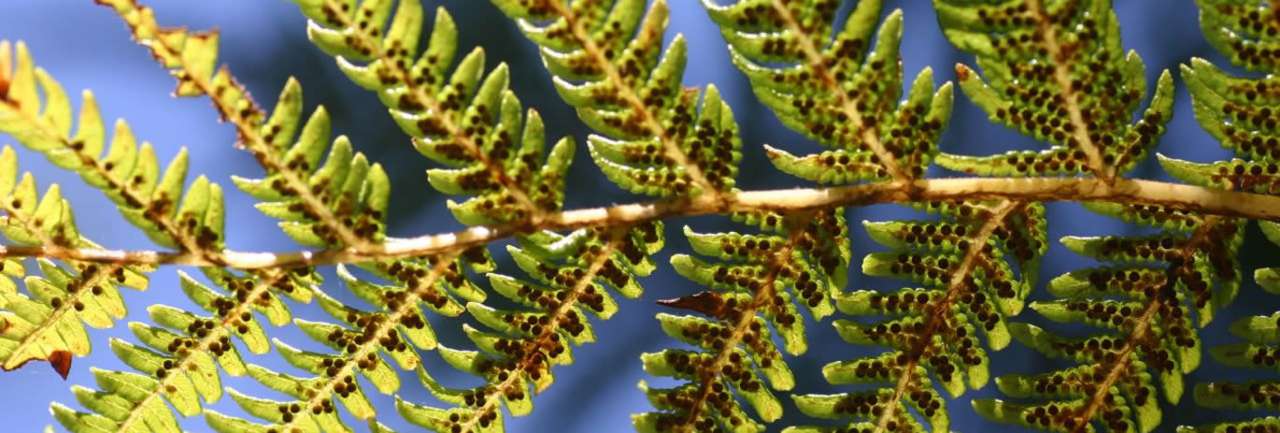
Above you can see the fern sori, those brown spots underneath the leaves which are sometimes mistaken for fungus or disease but are part of the reproductive cycle of the plant.
- Photo by Derek Keats, Flickr (CC BY-SA 2.0)
When conditions are suitable, a spore can germinate and develop into a tiny, separate plant-like structure called a gametophyte. This produces the reproductive cells needed for fertilisation. In most familiar ferns, a film of water is required for the swimming sperm cells to reach the egg.
Following fertilisation, a new fern plant develops, eventually producing the familiar fronds we recognise.
It's a fascinating life cycle involving two distinct generations, very different from the flowering and seed-setting process of most garden plants.
Not all ferns produce visible sori in exactly the same way, and some species have specialised fertile fronds.
Did You Know?
Those little brown dots or lines on the undersides of fern fronds are often part of the plant's natural reproductive system, rather than a sign of disease. Their arrangement can even help identify different fern species.
Are Ferns Evergreen?
Some are, but certainly not all.
Evergreen ferns retain much of their foliage throughout winter, providing valuable structure and greenery when herbaceous plants have died back. Examples include many Polystichum, Dryopteris and Asplenium species.
Deciduous ferns lose their fronds in autumn and emerge again in spring. These can be particularly attractive during the growing season, with fresh foliage and, in some cases, excellent autumn colour.
Some ferns are semi-evergreen, retaining foliage through mild winters but losing more of it during prolonged cold weather.
Even evergreen ferns may develop tired or damaged fronds during winter. These can generally be removed in late winter or early spring as fresh growth begins.
Why Grow Ferns in the Garden?
Ferns offer something that flowering plants cannot always provide: long-lasting interest through foliage, form and texture.
- Adding structure: Upright or arching fronds provide shape and definition, especially in shaded borders.
- Creating contrast: Finely divided foliage looks beautiful alongside plants with larger or more rounded leaves.
- Softening hard landscaping: Ferns can soften the edges of paths, steps, walls and shaded seating areas.
- Filling difficult spaces: Many varieties thrive in areas where flowering plants struggle because of limited sunlight.
- Providing year-round interest: Evergreen species keep borders looking established during winter.
- Creating naturalistic planting: Ferns work beautifully in woodland, wildlife-friendly and informal garden designs.
They're also surprisingly versatile in more contemporary gardens. A single architectural fern planted in a simple container can look every bit as effective as a carefully composed woodland border.
Choosing the Right Growing Conditions
Although ferns are commonly associated with damp shade, it's important not to assume that every fern wants exactly the same conditions.
Many thrive in cool, sheltered places with moisture-retentive soil. Others prefer excellent drainage, and some tolerate a surprising amount of sunshine provided their roots don't become excessively dry.
Light and Shade
Partial shade is an excellent starting point for many garden ferns.
The filtered light beneath deciduous trees, the sheltered side of a building or a border receiving morning sun and afternoon shade can provide ideal conditions.
Deep shade is tolerated by some varieties, although growth may be slower and less vigorous where light levels are particularly low.
A number of ferns tolerate more sunlight, especially where the soil remains consistently moist. However, strong afternoon sun combined with dry soil can scorch or damage delicate fronds.
Soil and Moisture
Most commonly grown woodland ferns appreciate soil containing plenty of organic matter, with sufficient moisture during the growing season.
Leaf mould and well-rotted garden compost are particularly useful for improving soil structure and helping it retain moisture.
However, moist soil and waterlogged soil are not the same thing.
Even moisture-loving ferns generally need oxygen around their roots, and prolonged winter waterlogging can cause problems.
Here in the west of Ireland, where rainfall is often plentiful, drainage may be just as important as moisture retention.
For ferns that naturally grow among rocks, on banks or in woodland slopes, good drainage is especially important.
Shelter
Many ferns appreciate protection from strong, drying winds.
Large or finely divided fronds can become damaged in exposed positions, so sheltered gardens, courtyards, woodland edges and protected borders often provide the best growing conditions.
Using Ferns in Garden Design
One of the most appealing things about ferns is how easily they can contribute to very different styles of garden.
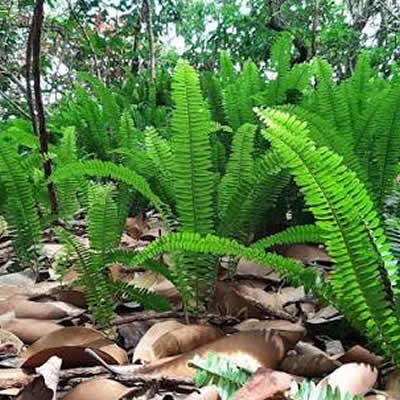
Woodland and Naturalistic Gardens
Ferns are a natural choice for woodland planting, where their foliage complements the informal shapes of trees, shrubs and shade-loving perennials.
They combine beautifully with plants such as Hellebores, Epimedium, Brunnera, Hostas and spring-flowering woodland bulbs.
Mixing evergreen and deciduous varieties can create a planting scheme that changes throughout the year while retaining structure in winter.
Contemporary and Architectural Gardens
Ferns aren't limited to informal planting. Their distinctive leaf shapes can be particularly effective against simple walls, stone, gravel and clean architectural lines.
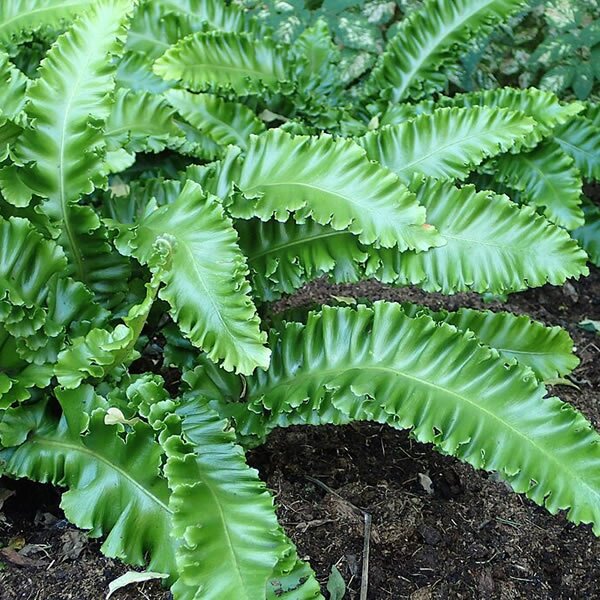
Bold varieties such as Asplenium scolopendrium or the larger Dryopteris species can provide strong visual structure, while finer-textured ferns create contrast with modern paving and containers.

Paths, Steps and Shaded Borders
Arching fern fronds are excellent for softening hard edges and creating a more established appearance around paths, steps and seating areas.
Smaller varieties can be tucked into gaps between rocks or along the edges of raised beds, provided their particular moisture and drainage requirements are met.
Containers and Courtyard Gardens
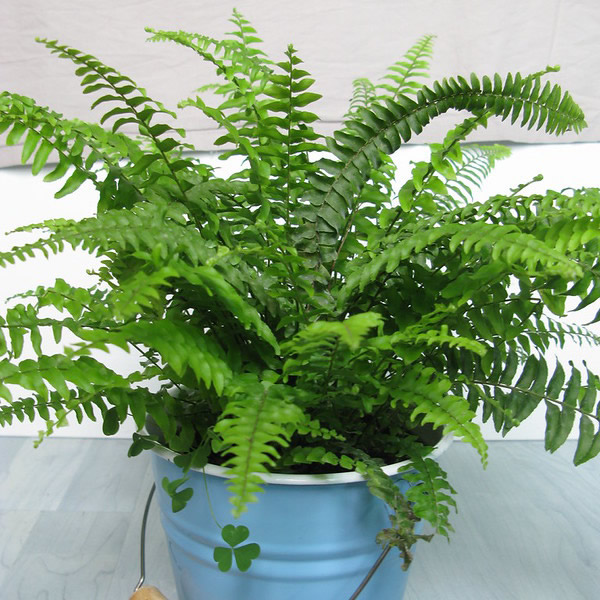
Compact ferns can be extremely attractive in pots, particularly in shaded courtyards, sheltered patios and beside entrances that receive little direct sunshine.
Their foliage provides texture and contrast alongside other shade-loving container plants, while evergreen varieties can offer interest throughout winter.
Choose a container with drainage holes and use a suitable compost that retains moisture without becoming saturated.
Choosing Ferns for Different Garden Situations
Rather than choosing a fern simply because its foliage looks attractive, it's worth considering where it will grow and what you'd like it to contribute to the garden.
The following groups provide a useful starting point, although individual growing requirements can vary between species and cultivars.
Ferns for Shady, Moist Areas
These are particularly useful for sheltered borders, woodland gardens and areas where the soil remains reasonably moist through the growing season.
- Dryopteris filix-mas – Male Fern: A robust, deciduous fern with substantial arching green fronds. Well suited to woodland planting and shaded borders, and tolerant of a range of soil conditions once established.
- Athyrium filix-femina – Lady Fern: An elegant deciduous fern with finely divided, feathery foliage. Particularly attractive in cool, moist, sheltered positions.
- Matteuccia struthiopteris – Ostrich Fern: Produces striking, upright, vase-shaped fronds and can create a dramatic effect in moist woodland-style gardens. It spreads by underground runners, so allow sufficient room.
- Osmunda regalis – Royal Fern: A magnificent deciduous species with large, open fronds that can develop attractive autumn tones. Particularly suited to consistently moist, acidic to neutral soils, including suitable pond margins that do not dry out.
Evergreen Ferns for Year-Round Structure
Evergreen ferns are especially valuable for providing foliage during winter, when many other perennials have disappeared below ground.
- Polystichum setiferum – Soft Shield Fern: A beautiful evergreen fern with soft, finely divided, arching fronds. Excellent for sheltered woodland borders and naturalistic planting.
- Polystichum polyblepharum – Japanese Tassel Fern: A handsome evergreen species with glossy, dark green fronds and attractive fresh growth in spring. Particularly effective as a specimen in a shaded border.
- Asplenium scolopendrium – Hart's Tongue Fern: Instantly recognisable by its long, undivided, strap-shaped fronds. A useful evergreen choice for shade, especially in humus-rich, well-drained soil.
- Dryopteris affinis – Golden-scaled Male Fern: A substantial fern with attractive golden-brown scales on its emerging fronds. Often evergreen or semi-evergreen in milder conditions and excellent for adding height and structure.
Ferns for Containers and Smaller Spaces
Compact ferns can provide beautiful foliage without needing a large planting area. They're particularly useful for sheltered patios, courtyards and shaded entrances.
- Asplenium trichomanes – Maidenhair Spleenwort: A charming small evergreen fern with delicate-looking fronds. Particularly suitable for crevices, rock gardens and well-drained containers, often favouring lime-rich conditions.
- Polystichum tsus-simense – Korean Rock Fern: A compact evergreen fern with neat, dark green fronds, well suited to sheltered containers and smaller shaded borders.
- Blechnum penna-marina – Alpine Water Fern: A low-growing, spreading evergreen fern with attractive compact foliage. Particularly useful in cool, moist, acidic conditions, including suitable containers.
- Asplenium scolopendrium – Hart's Tongue Fern: Smaller specimens can make attractive architectural container plants, especially where their bold foliage can be appreciated close up.
Ferns for Well-Drained Positions
Not all ferns enjoy constantly damp ground. Some naturally grow on rocky slopes, banks or in crevices where excess water drains away readily.
- Asplenium trichomanes – Maidenhair Spleenwort: Particularly useful for shaded rock gardens, old walls and crevices where drainage is excellent.
- Polypodium vulgare – Common Polypody: A hardy evergreen fern that naturally grows on banks, rocks and mossy surfaces. It appreciates good drainage and can tolerate relatively dry shade once established.
- Dryopteris erythrosora – Autumn Fern: A particularly attractive fern with coppery-red new fronds. It prefers humus-rich, well-drained soil with reliable moisture and protection from harsh exposure.
- Asplenium scolopendrium – Hart's Tongue Fern: Often found naturally on well-drained banks and among rocks, although it appreciates moisture-retentive soil rich in organic matter.
Remember: Good drainage doesn't necessarily mean dry soil. Many of these ferns still benefit from moisture during active growth, particularly while establishing.
Ferns for Colourful Foliage
Anyone who thinks ferns are all the same shade of green might be surprised by the variety of colours available.
- Athyrium niponicum var. pictum – Japanese Painted Fern: A beautiful deciduous fern with silvery-grey fronds, often flushed with purple or burgundy along the stems and veins. Its colouring is especially effective in partial shade.
- Dryopteris erythrosora – Autumn Fern: Despite its common name, much of its colour comes from the coppery-red new fronds produced during the growing season, which gradually mature to green.
- Dryopteris wallichiana – Wallich's Wood Fern: Produces impressive upright fronds with dark, contrasting scales, giving it a distinctive architectural appearance.
- Osmunda regalis – Royal Fern: Its fresh green summer foliage can develop attractive yellow to golden-brown tones before dying back in autumn.
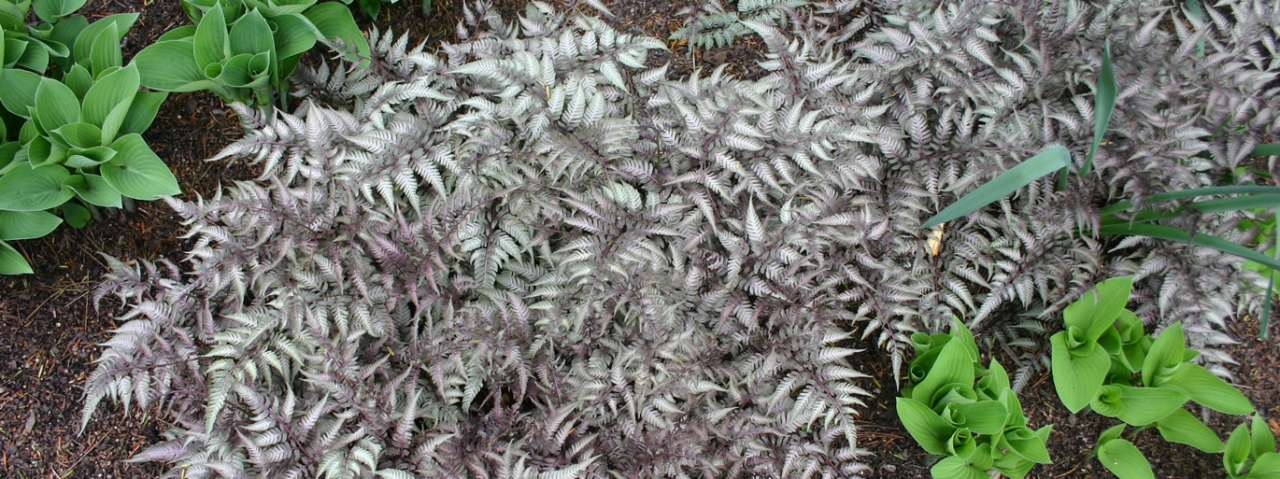
Athyrium niponicum var. pictum (Japanese Painted Fern or Painted Lady Fern) has beautiful silvery-grey fronds with hints of purple.
- Photo by Ryan Somma (CC BY-SA 2.0) Taken at the New York Botanical Gardens.
Ferns for Autumn Interest
Deciduous ferns can make a surprisingly valuable contribution to autumn planting, especially when their changing foliage is combined with evergreen shrubs and late-season perennials.
- Osmunda regalis: Often develops warm golden or brownish autumn colours before its fronds die back.
- Athyrium filix-femina: Its fine foliage can turn attractive shades of yellow as the season progresses.
- Matteuccia struthiopteris: Its upright fronds may develop warm yellow tones before collapsing back for winter.
- Dryopteris erythrosora: Worth considering for its colourful new growth during the season, rather than relying on a conventional autumn leaf display.
Ferns for Brighter Positions
Although most ferns are associated with shade, some can cope with more sunshine where the soil remains suitably moist.
- Osmunda regalis: Can tolerate a relatively sunny position if the soil remains consistently moist.
- Matteuccia struthiopteris: Can grow in brighter conditions where moisture is plentiful, although it is generally at its best with some shelter.
- Dryopteris filix-mas: Adaptable enough to tolerate some sunshine, particularly in cooler gardens with moisture-retentive soil.
In exposed or dry gardens, even these more adaptable varieties will generally perform better with some protection from strong afternoon sunshine.
Planting Ferns Successfully
Most container-grown hardy ferns can be planted during much of the year, provided the ground isn't frozen or waterlogged and sufficient moisture is available while they establish.
Spring and early autumn are often particularly good planting times.
- Choose the right position: Match the fern to the available light, soil moisture, drainage and shelter.
- Prepare the soil: For woodland ferns, incorporate leaf mould or well-rotted compost where appropriate to improve soil structure.
- Plant at the correct depth: Position the rootball at approximately the same depth it was growing in its pot. Avoid burying the crown of the plant.
- Water thoroughly: Water after planting and continue to monitor moisture during dry periods, especially in the first growing season.
- Mulch carefully: A layer of leaf mould or organic mulch can help conserve moisture and suppress weeds, but keep it away from the crown.
Gardening Tip – Watch the Crown
The crown is the point from which a fern's new fronds emerge. When planting or mulching, avoid burying it too deeply, as this can encourage rotting, particularly in wet winter conditions.
Growing Ferns in Containers
Ferns can make excellent container plants, especially where shade limits the range of flowering plants that will perform well.
Choose a pot with adequate drainage holes and use a compost suited to the fern you're growing. Many woodland ferns appreciate an organic-rich compost that holds moisture while allowing excess water to escape.
Containers generally dry out more quickly than garden soil, even in shaded positions, so check moisture regularly during warmer weather.
Conversely, winter rain can leave poorly drained pots excessively wet. Raising containers slightly on pot feet can help improve drainage.
Smaller evergreen ferns are particularly useful in mixed winter displays, providing foliage texture alongside plants such as Heuchera, small evergreens and seasonal bedding.
For a more contemporary effect, try planting a single fern in a simple, generously sized pot and allowing its foliage to provide the main display.
Caring for Ferns Throughout the Year
Watering
Newly planted ferns need regular attention until their roots become established.
Once established, watering requirements depend on the species, soil and growing position. Moisture-loving woodland ferns may need additional water during prolonged dry weather, while more drought-tolerant species can cope with less.
Feeding
Most garden ferns aren't particularly demanding feeders.
An annual application of leaf mould or well-rotted organic matter is often sufficient for ferns growing in reasonably fertile garden soil.
Container-grown plants may benefit from occasional feeding during the growing season, although excessive fertiliser is generally unnecessary.
Pruning and Tidying
Deciduous ferns can be tidied once their old fronds have died back, although leaving the foliage in place over winter can offer some protection to the crown.
Evergreen ferns usually need only the removal of old, damaged or untidy fronds, preferably as fresh growth begins in spring.
Take care not to damage the emerging croziers when cutting away old foliage.
Dividing Ferns
Many clump-forming ferns can be propagated by division, although the method depends on the species and its growth habit.
Spring is often a suitable time to divide established clumps, ensuring each division has healthy roots and growing points.
However, not every fern responds well to division, and some are better propagated by spores or other specialised methods.
Common Problems with Ferns
Ferns are generally reliable garden plants when grown in suitable conditions, but a few problems can occur.
- Brown or scorched fronds: Often caused by excessive sunshine, dry soil or exposure to drying winds.
- Yellowing or poor growth: May indicate unsuitable moisture conditions, poor drainage or an inappropriate growing position.
- Rotting crowns: Can occur where plants are buried too deeply or remain in persistently waterlogged soil.
- Slug and snail damage: Tender emerging fronds can occasionally be damaged, particularly during damp spring weather.
- Winter damage: Evergreen fronds may become brown or tatty after severe frost or exposure. Remove damaged foliage when new growth begins.
And remember, brown markings on the undersides of mature fronds may simply be the fern's natural spore-producing structures rather than a problem requiring treatment.
Combining Ferns with Other Plants
Ferns are especially effective when used to contrast with different leaf shapes, colours and flowering habits.
In a shaded border, the fine foliage of a Lady Fern can look beautiful alongside the larger leaves of Hostas or Bergenia, while the glossy strap-shaped fronds of Hart's Tongue Fern provide a striking contrast with delicate woodland perennials.
Evergreen ferns can also complement shrubs such as Skimmia, Sarcococca and compact Rhododendrons, helping to create planting schemes that retain interest throughout winter.
For a more naturalistic effect, combine ferns with spring bulbs, Hellebores, Epimedium and other shade-tolerant plants, allowing their contrasting growth habits to create interest at different times of year.
It's worth allowing enough room for the ferns to reach their mature spread. Some species remain compact clumps, while others can become substantial plants or spread into colonies.
Final Thoughts
Ferns deserve to be appreciated as much more than simple green plants for shady corners.
With their ancient origins, fascinating life cycle and extraordinary variety of foliage, they offer gardeners an opportunity to create interest through shape, texture and colour rather than relying entirely on flowers.
From compact evergreen varieties for containers and rock gardens to magnificent architectural specimens for woodland borders, there's a fern for many different situations.
The key, as with any plant, is understanding its particular growing requirements and choosing a variety that suits the conditions you can offer.
Whether you're developing a woodland garden, refreshing a shaded border or simply looking for something a little different, ferns are well worth exploring.
Discover the Beauty of Ferns
From delicate woodland ferns to bold evergreen varieties, there's plenty to explore. Browse our selection online or visit us in Boyle or Roscommon Town for advice on choosing the right fern for your garden.
Browse Our Fern Selection