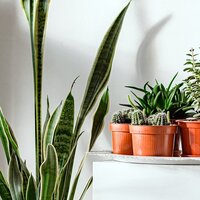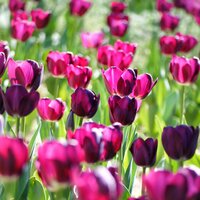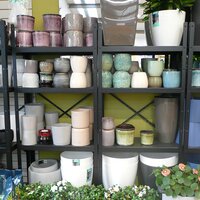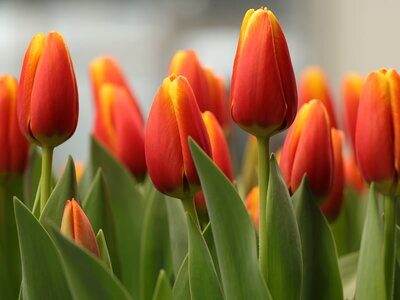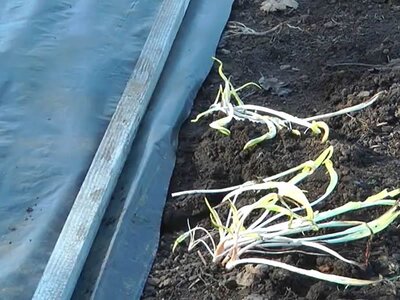

As the days become shorter and the weather turns colder, it's easy to find ourselves spending more time indoors. The garden may be taking a well-earned rest, but that doesn't mean we have to do without greenery, flowers and a little natural colour around us.
Houseplants can make a real difference to the atmosphere of a home during the winter months. From colourful flowering plants and architectural foliage to trailing greenery and seasonal bulbs, there are plenty of ways to bring a little of the garden indoors.
They also offer something that many of our other Christmas decorations cannot: something living and changing. A developing flower stem, a new leaf unfurling or a cluster of winter blooms can provide a welcome reminder of the growing season ahead.
Whether you're looking to brighten a windowsill, create a green corner in the living room or add a natural touch to your Christmas decorations, here are some ideas for bringing a little more life into your home this winter.
Five Flowering Houseplants to Brighten Your Home
Flowering houseplants are an obvious starting point, particularly when outdoor colour is in short supply. Some produce flowers for several weeks, while others can continue blooming for much of the year when given suitable conditions.
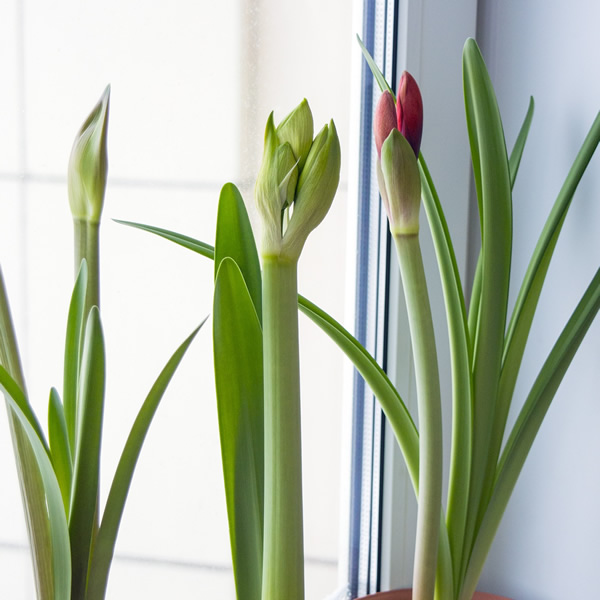
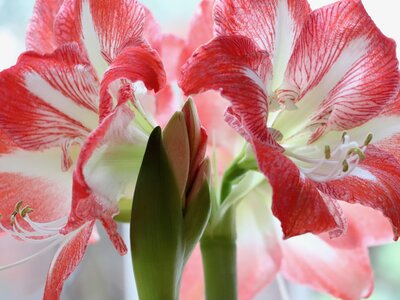
1. Amaryllis (Hippeastrum)
Few indoor flowering plants make quite the same impression as an amaryllis. Their large, trumpet-shaped flowers are available in a wonderful range of colours, from traditional festive reds and whites to softer pinks, salmon shades and striking bicoloured varieties.
Amaryllis bulbs are particularly popular at Christmas, both as gifts and as a seasonal treat for the home. They are also fascinating to grow, as the flower stems can develop quite rapidly before producing several impressive blooms.
With suitable care, bulbs grown in compost can be retained after flowering and encouraged to bloom again in future years.
Where to place: A bright, warm position away from radiators and cold draughts. Once the flowers open, a slightly cooler spot can help prolong the display.
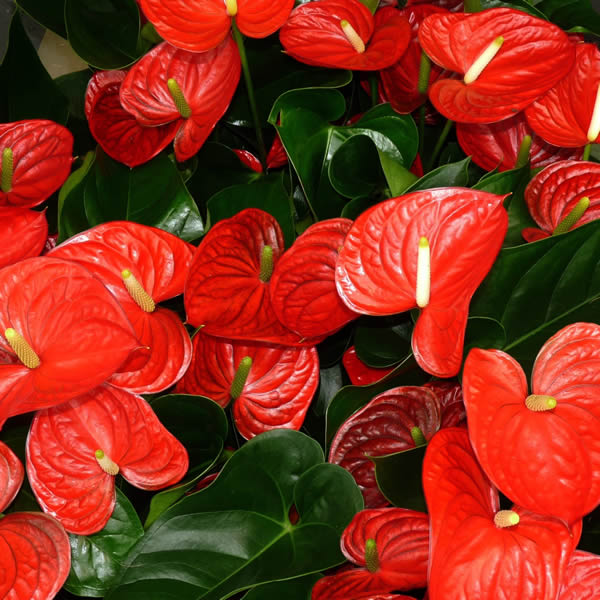
2. Anthurium
Anthuriums are particularly attractive houseplants, with glossy green foliage and distinctive, waxy flower-like structures known as spathes. These are often red, pink or white, although other colours are available.
The flowers can remain attractive for a surprisingly long time, making anthuriums useful for adding lasting colour to a room. Their upright growth and polished foliage also give them a slightly more architectural appearance than many traditional flowering houseplants.
They originate from tropical regions and appreciate warmth, bright indirect light and some humidity. Avoid placing them in direct sunlight or close to a radiator, where their leaves can become damaged.
Where to place: A bright room with indirect light, away from cold windows and draughts.
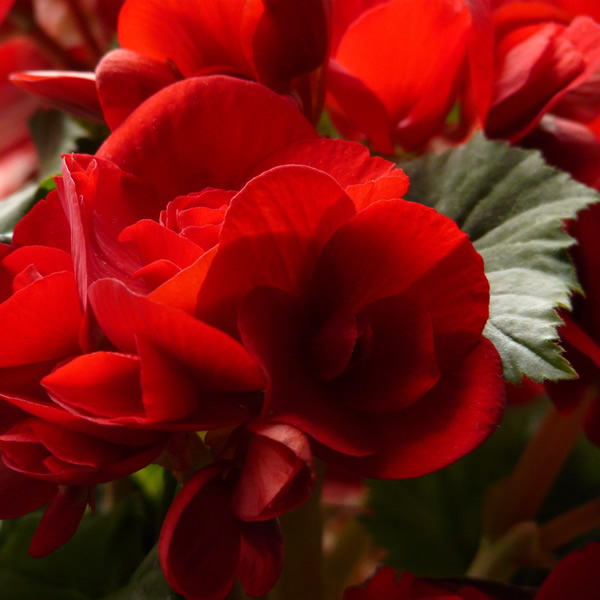
3. Flowering Begonias
There are many different types of begonia, but some of the most colourful indoor varieties are those sold as flowering or winter-flowering begonias, including Elatior or Rieger types.
These compact plants produce clusters of flowers in shades of red, pink, orange, yellow and white, often with attractive foliage to complement the display. They can provide a particularly welcome splash of colour on a bright windowsill or side table.
Flowering begonias generally prefer bright, indirect light and should be watered carefully. Allow the surface of the compost to begin drying before watering again, as persistently wet compost can lead to problems with the roots.
Where to place: Somewhere bright and reasonably cool, away from direct heat and strong sunlight.
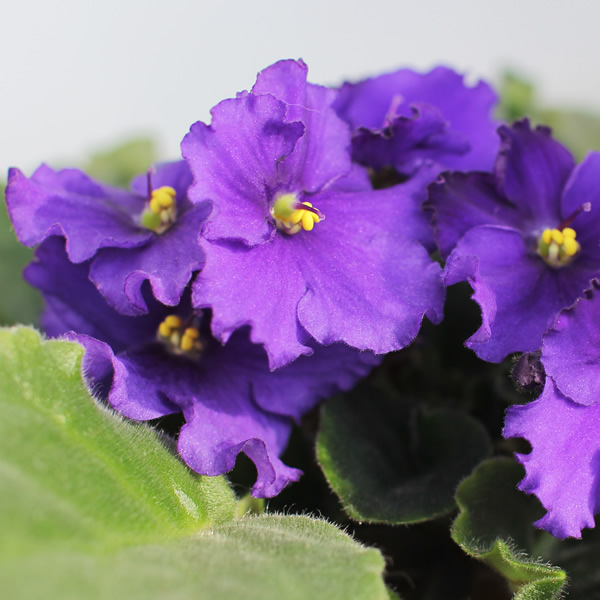
4. African Violets and Streptocarpus
Often sold under the familiar name Saintpaulia, African violets are now botanically classified within the genus Streptocarpus. They are compact plants with attractive, softly textured leaves and clusters of flowers in shades of purple, blue, pink and white.
They are particularly useful where space is limited, as they can provide a surprising amount of colour without taking up much room. Given suitable conditions, they can flower repeatedly throughout the year.
Bright, indirect light, warmth and consistent but careful watering are important. Avoid allowing the compost to become completely dry or waterlogged, and take care not to leave cold water sitting on the leaves.
Where to place: A bright windowsill or shelf with good natural light, protected from cold draughts and strong direct sunshine.
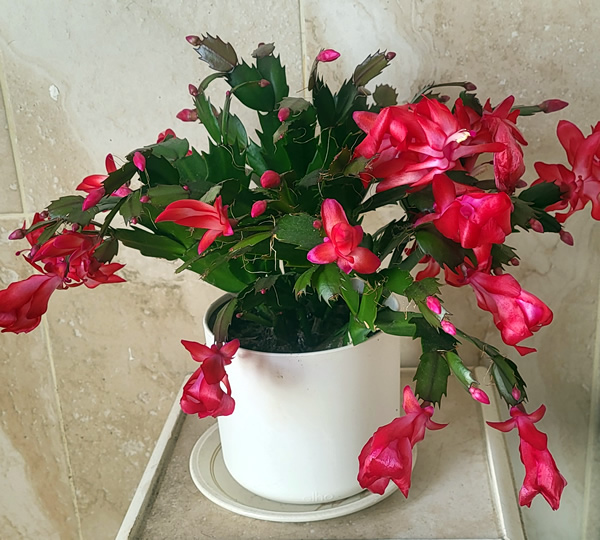
5. Christmas Cactus (Schlumbergera)
Christmas cactus is a particularly welcome winter-flowering houseplant, producing colourful flowers from the ends of its flattened, segmented stems. Depending on the variety, flowers may be pink, red, white, orange or purple.
Unlike desert cacti, Schlumbergera originate from tropical forests, where they grow as epiphytes on trees or among rocks. They therefore prefer more moisture and humidity than many people associate with cacti.
Their naturally arching growth makes them particularly attractive in raised pots or hanging containers, where the stems can trail gently over the sides. With suitable care, they can live for many years and become impressive mature plants.
Where to place: A bright position with indirect light, away from radiators and sudden temperature changes. Avoid moving the plant unnecessarily once flower buds have formed.
Bringing Seasonal Outdoor Plants Indoors
Not every plant used to brighten the home during winter needs to be a traditional houseplant. Some of our familiar outdoor plants and spring bulbs can also make excellent temporary indoor displays, bringing a little seasonal interest indoors when the garden is looking rather quiet.
The important distinction is that many of these plants are best treated as seasonal visitors rather than permanent indoor residents. They may prefer cooler conditions than we normally provide for tropical houseplants, and some will be happier returning outdoors once their display has finished.
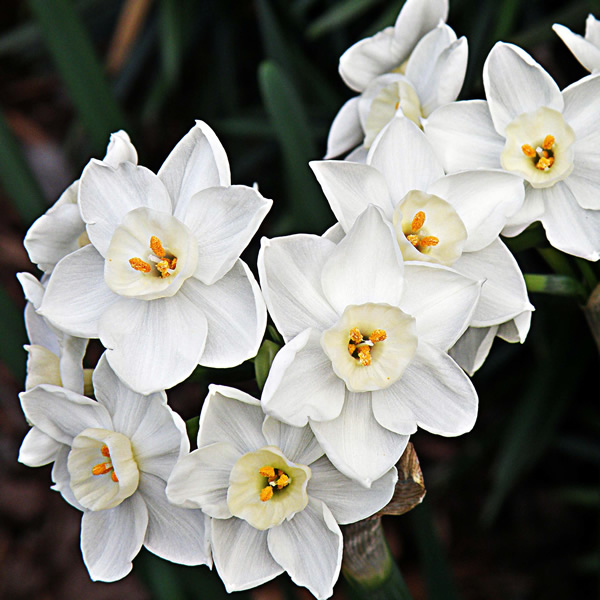
Paperwhite Narcissus
Paperwhite narcissus are among the most rewarding bulbs for indoor flowering. They produce clusters of delicate white flowers, often with a strong, sweet fragrance, and can be grown in compost or in a shallow container of pebbles and water.
Unlike many other spring-flowering bulbs, paperwhites do not require a prolonged cold period before flowering. This makes them particularly useful for indoor displays during the winter months.
They can grow quite tall and may become a little top-heavy, so a group planted closely together in a suitable container can help support the stems. Their scent can be quite powerful, so consider the size of the room and where you position them.
Where to place: Somewhere bright and reasonably cool once growth is underway. Cooler conditions can help prevent the stems becoming excessively elongated.
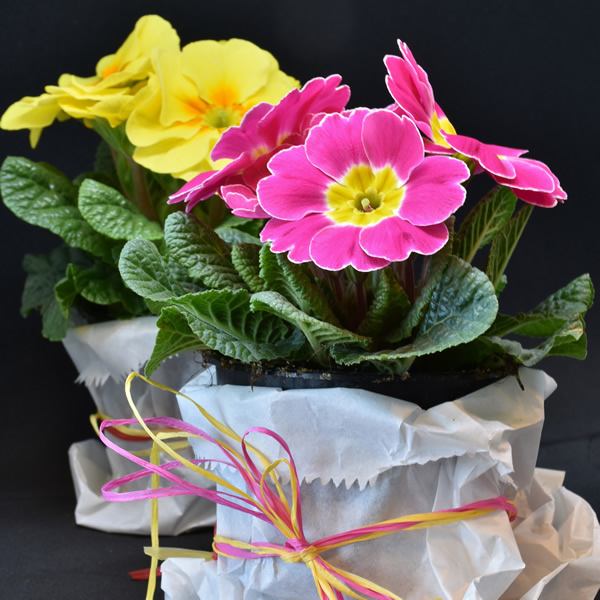
Primulas and Primroses
Primulas are familiar garden favourites, but their cheerful flowers can also be used to brighten indoor spaces during winter and early spring. Compact polyanthus and primrose varieties are available in a wide range of colours, making them useful for seasonal pots, table displays and windowsills.
Unlike tropical houseplants, these are generally cool-growing plants. They will usually last longer in a bright, cool room than in a warm living room beside a radiator.
Think of them as temporary indoor displays rather than permanent houseplants. Once the flowers have faded and outdoor conditions become more suitable, many hardy primulas can be planted into the garden or kept in outdoor containers.
Where to place: A bright, cool position away from direct heat. Keep the compost lightly moist without allowing the pot to sit in water.
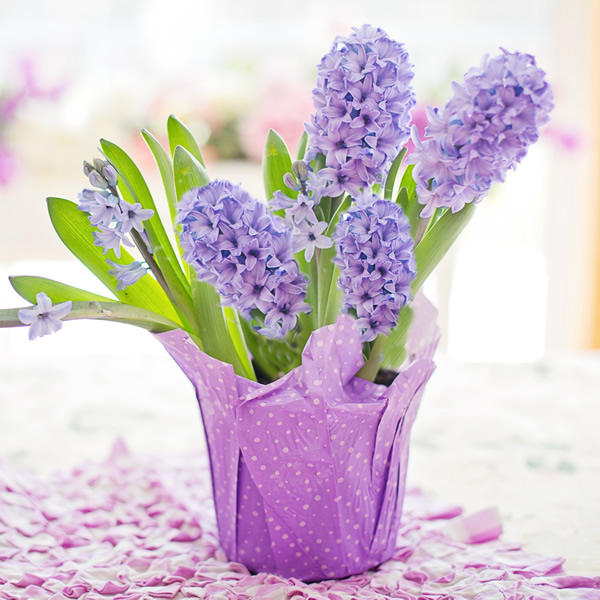
Other Spring Bulbs
Hyacinths, prepared daffodils and certain other spring bulbs can be brought into flower indoors, creating a lovely seasonal display. Hyacinths are particularly popular for their fragrance, while dwarf narcissus varieties can be useful for smaller arrangements.
Many bulbs sold specifically for indoor flowering have been prepared or treated to encourage earlier blooms. Others require a period of cool conditions after potting before they can be brought into warmth and light.
For a natural-looking display, try grouping several bulbs together in a shallow bowl or container. A little moss or decorative gravel around the bulbs can help finish the arrangement, provided the growing medium and bulbs are not kept excessively wet.
Where to place: A bright, cool position once the shoots have developed. Moving flowering bulbs away from strong heat can help the flowers last longer.
A Note on Forcing Bulbs
When we encourage a bulb to flower indoors earlier than it would naturally flower outside, this is known as forcing. Some bulbs, such as paperwhite narcissus, can be encouraged into growth without a prolonged cold period, while others need several weeks of cool conditions to simulate winter before they will flower.
Prepared bulbs have often already received the treatment they need, making them more convenient for seasonal indoor displays. If you're interested in trying this yourself, our Spring Bulb Planting Guide is a useful starting point for understanding the different types of bulbs and their requirements.
Creating an Indoor Landscape
Once you've chosen a few plants, the next step is thinking about how they work together. Rather than scattering individual pots around the house, consider creating a small indoor landscape: a collection of plants arranged to complement one another through their height, shape, colour and texture.
This doesn't need to be complicated or expensive. A few carefully chosen plants can transform an otherwise empty corner, brighten a windowsill or create a natural focal point in a living room.
Think About Height and Structure
One of the easiest ways to create an attractive arrangement is to use plants of different heights. A taller plant can provide the main structure, with smaller plants grouped around its base and trailing varieties softening the edges.
For example, a Howea palm or Dracaena can provide height and an architectural shape, while a smaller flowering begonia or African violet adds colour at a lower level. A trailing Tradescantia or succulent can then soften the outline of the arrangement.
Plant stands, shelves and sturdy side tables can all help introduce different levels, particularly where floor space is limited. Just remember to consider the light available at each height, as a plant placed on a lower shelf may receive considerably less daylight than one on a windowsill.
Combine Different Leaf Shapes and Textures
Foliage plants offer an enormous range of shapes, patterns and textures. Broad leaves, narrow arching foliage, finely divided fronds and patterned surfaces can all be used to create contrast, even when the plants are similar shades of green.
Try combining the large, graceful leaves of a Howea palm with the patterned foliage of a Ctenanthe, or the finer texture of a fern. A Dracaena can introduce a strong upright form, while a spider plant provides a softer, arching outline.
Use Colour Beyond the Flowers
Flowers are an obvious source of colour, but foliage can be just as effective. Some Ctenanthe varieties have attractive patterned leaves, Tradescantia offers purple, silver and green tones, and certain Dracaena cultivars have colourful leaf margins or central stripes.
Using foliage in this way means your indoor display can remain interesting long after the flowering plants have finished blooming.
Group Plants with Similar Requirements
Although it can be tempting to group plants purely for appearance, their growing requirements should always come first. A fern that appreciates humidity and evenly moist compost will not necessarily be happy beside a succulent that prefers to dry out between waterings.
Try to group plants with broadly similar needs, particularly when it comes to light, watering and humidity. This makes looking after them easier and gives each plant a better chance of thriving.
Foliage Plants – Greenery That Lasts All Winter
Flowering plants provide welcome colour, but foliage plants are often the foundation of a good indoor display. They offer structure and texture throughout the year and can be particularly rewarding during the winter months, when flowers may be less abundant.
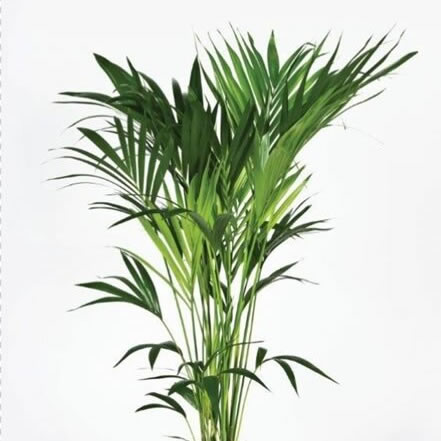
Howea Palm (Kentia Palm)
The Howea, commonly known as the Kentia palm, is a classic indoor plant with graceful, arching fronds. It has a relatively elegant, upright habit and can provide a strong focal point in a room without appearing too bulky.
It is often more tolerant of typical indoor conditions than some tropical palms, although it still appreciates good natural light and careful watering. Avoid leaving the roots sitting in water, and keep it away from cold draughts.
Best for: Adding height and a relaxed, tropical feel to a living room or bright hallway.
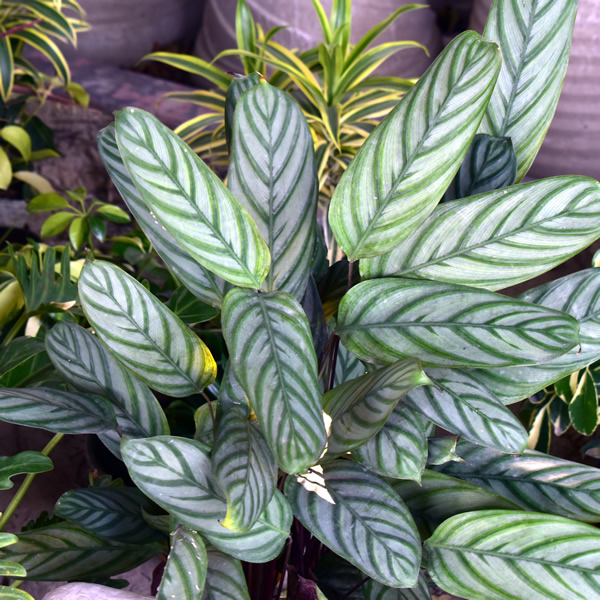
Ctenanthe
Ctenanthe are valued for their beautifully patterned foliage, often featuring contrasting shades of green, silver, cream and purple. Their leaves can add a considerable amount of interest to an indoor arrangement without relying on flowers.
They prefer bright, indirect light, warmth and a reasonable level of humidity. Dry air from central heating can cause leaf edges to brown, so grouping them with other plants or using a suitable humidity tray may help.
Best for: Introducing foliage colour and pattern into a plant grouping.
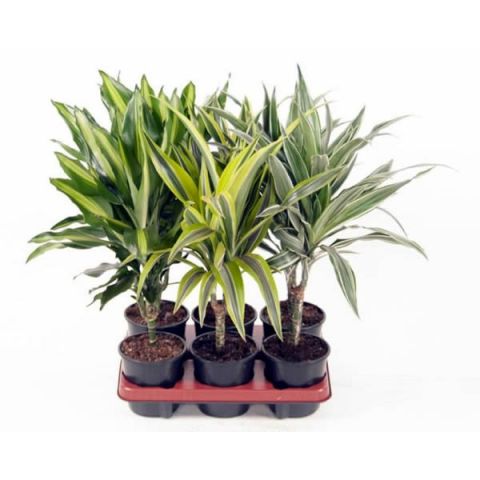
Dracaena
Dracaenas are available in a wide range of forms, from upright, tree-like plants to more compact varieties with colourful or striped foliage. Their architectural shape makes them particularly useful for adding height and structure to an indoor landscape.
They generally prefer bright, indirect light, although some varieties will tolerate lower light levels. Allow the compost to dry slightly between waterings and avoid keeping the roots constantly wet.
Best for: Providing height, structure and a strong focal point.
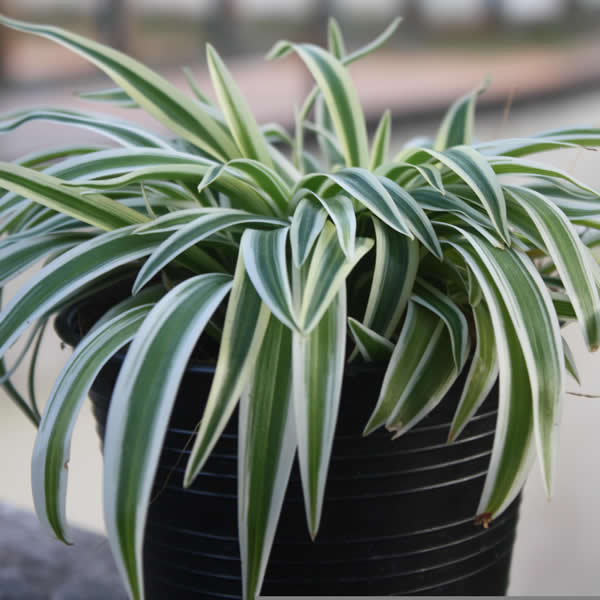
Chlorophytum (Spider Plant)
Chlorophytum, commonly known as the spider plant, is a familiar and dependable houseplant. Its long, arching leaves are often striped green and white, and mature plants produce small plantlets on trailing stems.
These plantlets can be left hanging for a relaxed, cascading effect or used to propagate new plants. Spider plants are generally adaptable and make a good choice for anyone starting to build an indoor collection.
Best for: Shelves, raised containers and hanging displays where the foliage and developing plantlets can trail freely.
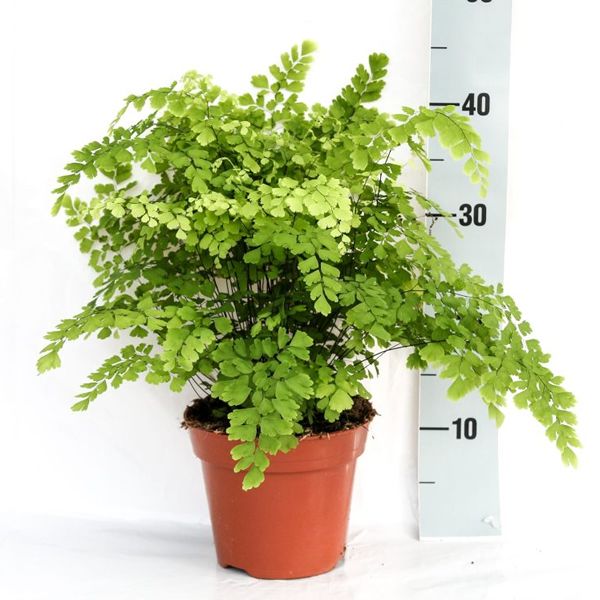
Ferns
Ferns bring a softer, more natural texture to indoor displays. Their finely divided fronds contrast beautifully with the larger leaves of palms and other foliage plants, and there are several suitable varieties for growing indoors.
Boston ferns and other tropical types generally appreciate bright, indirect light and higher humidity. They can struggle in very dry rooms, particularly when central heating is in regular use, so a bathroom or another naturally humid room may be a good choice if sufficient light is available.
Best for: Adding softness and texture, particularly in plant groupings with contrasting foliage.
Trailing Plants – Softening the Edges
Trailing plants are particularly useful when creating an indoor landscape. They can be positioned on shelves, plant stands or the edges of furniture, allowing their stems to cascade downwards and soften the overall arrangement.
They also offer an opportunity to introduce different leaf colours and textures without taking up much additional floor space.
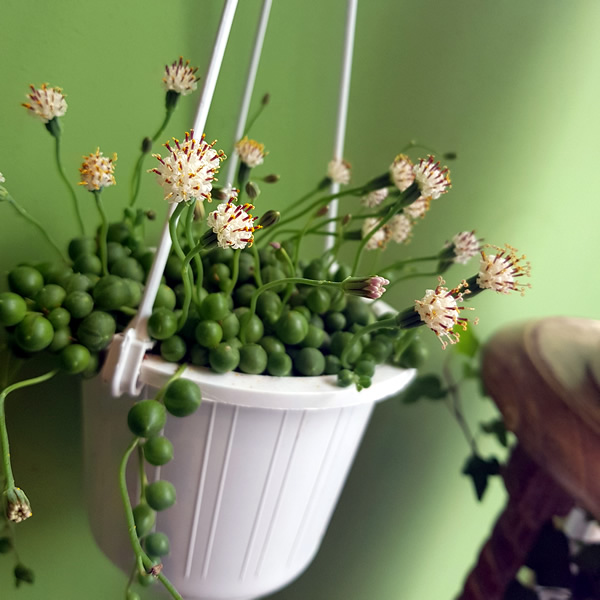
Trailing Senecio and Curio
Several trailing succulents are sold under the name Senecio, although some familiar varieties are now classified botanically within the genus Curio. These include popular plants such as String of Pearls (Curio rowleyanus) and String of Bananas (Curio radicans).
Their distinctive bead-like or banana-shaped leaves store water, allowing them to tolerate drier conditions than many traditional houseplants. They need a bright position and free-draining compost, with the growing medium allowed to dry between waterings.
These plants look particularly effective in hanging containers or on high shelves, where their unusual stems can trail freely.
Best for: Bright rooms, raised displays and adding an unusual trailing feature.
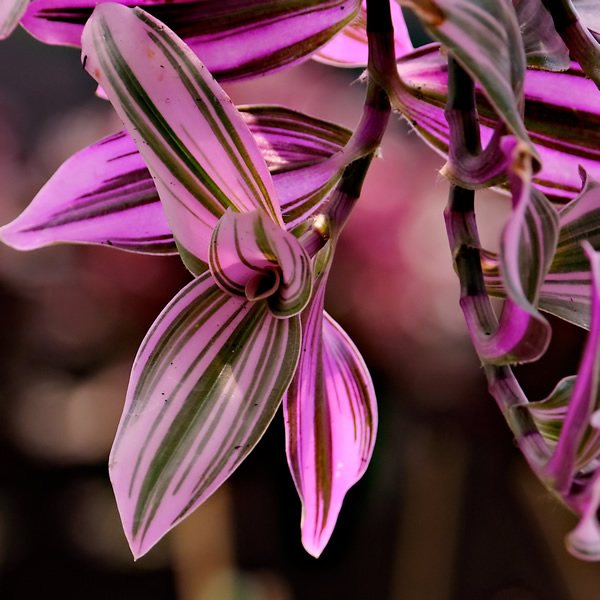
Tradescantia
Tradescantia are popular for their fast-growing, trailing stems and colourful foliage. Depending on the variety, leaves may combine shades of green, purple, silver, pink or cream, making them particularly useful for adding colour without relying on flowers.
They generally prefer a bright position with indirect light, although some varieties can tolerate a little direct sunshine. Pinching back the growing tips encourages bushier growth and helps prevent plants becoming too long and sparse.
Tradescantia are also relatively easy to propagate from stem cuttings, so an established plant can provide material for creating new pots or sharing with friends.
Best for: Shelves, hanging containers and adding colour to mixed foliage displays.
The Art of Bonsai – Creating a Miniature Tree Indoors
Bonsai is an ancient horticultural art that involves growing and training trees and shrubs in containers to create miniature representations of mature trees in nature. It combines careful pruning, shaping and an understanding of how plants grow, and can be a very rewarding long-term hobby.
Traditional bonsai is generally practised with hardy trees and shrubs that follow the natural seasonal cycle. These are usually grown outdoors, where they receive the changing temperatures and light levels they need. However, some tropical and subtropical plants can also be trained into miniature tree-like forms and grown indoors.
One particularly accessible example is the Jade Plant, Crassula ovata.
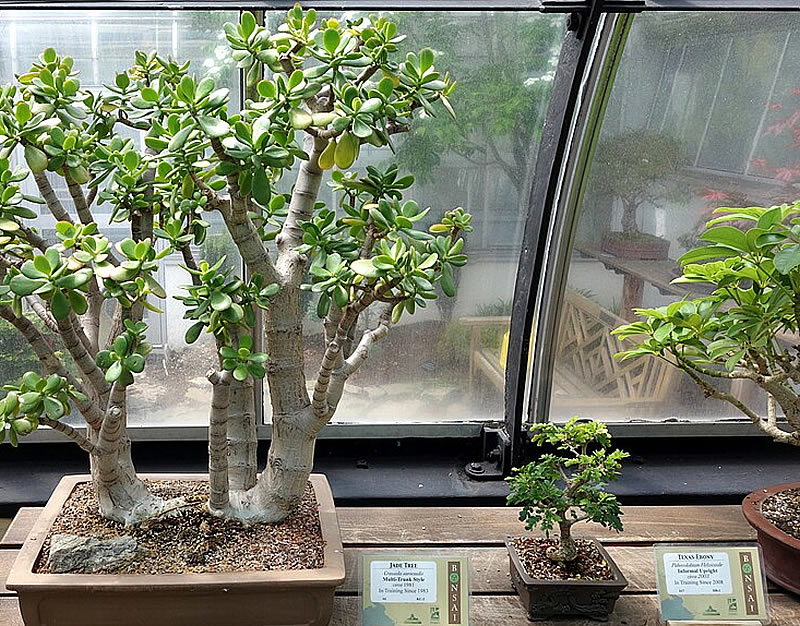
Crassula ovata – A Bonsai-Style Succulent
Crassula ovata is a familiar succulent with thick stems and fleshy leaves. As it matures, its stems become woody and develop a small tree-like structure, making it a good candidate for training into a bonsai-style plant.
With selective pruning, it is possible to encourage a more defined trunk, develop branching and create a compact canopy of foliage. The result can resemble a miniature tree, although the techniques and growing requirements differ from those used for traditional bonsai.
Crassula needs a bright position, free-draining compost and careful watering. Its ability to store water in its leaves and stems means it is much more tolerant of dry conditions than many tropical houseplants.
How to Create a Bonsai-Style Crassula
Start with a healthy, established plant with a reasonably strong main stem. Rather than trying to create a finished miniature tree immediately, work gradually over time, allowing the plant to develop a suitable structure.
- Choose your basic shape: Look at the natural growth of the plant and decide whether you want a single main trunk with a rounded canopy, a more spreading form or a multi-stemmed arrangement.
- Encourage branching: Pruning the growing tips can encourage new shoots to develop further down the stems, helping to create a fuller outline.
- Develop the trunk: Allow selected stems to mature and thicken, removing growth that detracts from the overall shape.
- Use a suitable container: A shallow, sturdy pot can help create the appearance of a miniature tree, but it must still provide adequate drainage and enough room for the roots.
- Be patient: A convincing structure develops over time. Regular, considered pruning is preferable to removing large amounts of growth in one session.
Crassula stores water in its leaves and stems, so it is important not to treat it like a traditional leafy houseplant. Allow the compost to dry between waterings and provide plenty of natural light.
Other candidates that work well for this kind of project are:
- Elephant Bush (Portulacaria afra) - A succulent with small, rounded leaves and reddish stems. It responds well to pruning and can be trained into a miniature tree-like form.
- Ficus (Ficus microcarpa) - A popular indoor bonsai, often sold with a distinctive swollen trunk. Alternatively, a young Ficus can be pruned and trained over time.
- Pyracantha (Firethorn) - An interesting outdoor bonsai candidate, with small leaves, attractive flowers and berries.
- Cotoneaster - Another good outdoor candidate. Its small leaves, branching habit and berries make it suitable for bonsai-style training.
A Note on Bonsai
Traditional bonsai is a specialist art, and most classic bonsai trees are not suitable for permanent indoor cultivation. Plants such as Crassula offer a more accessible way to explore miniature tree forms indoors, but they are best described as bonsai-style succulents rather than substitutes for traditional bonsai trees.
Bringing Plants into Your Winter and Christmas Decor
Plants don't have to be confined to windowsills or tucked away in corners. They can become an integral part of seasonal home decoration, providing a natural contrast to the lights, ornaments and other decorations we bring out at this time of year.
One of the nicest approaches is to use plants as part of the decoration itself, rather than simply placing them around the room as an afterthought.
Create a Natural Christmas Display
Amaryllis, Christmas cactus and flowering begonias can all provide colour during the festive season. Group them with natural materials such as pine cones, decorative branches, moss or simple wooden ornaments to create a display that feels seasonal without being overly elaborate.
A flowering amaryllis in a decorative pot can make a particularly attractive centrepiece, while smaller flowering plants can be grouped together on a sideboard or windowsill.
Use Greenery to Complement Decorations
Foliage plants can provide a lovely backdrop for Christmas decorations. The arching fronds of a Howea palm, the patterned leaves of a Ctenanthe or the cascading stems of a Tradescantia can all add texture and natural colour to a room.
Small, lightweight decorations can sometimes be incorporated into sturdy arrangements, but avoid placing heavy ornaments on delicate stems or attaching anything that might damage the foliage.
You can also bring in potted herbs like Rosemary to add fragrance and greenery to a windowsill or as part of your dining table display.
Bring in Natural Materials
Simple natural materials can work beautifully alongside living plants. Moss, pine cones, bark, twigs and seasonal foliage can all be used to complement a plant display, while natural baskets and ceramic pots can help tie the arrangement together.
For a more understated look, try keeping the colour palette simple and allowing the plants themselves to provide most of the interest. A few well-chosen materials can be more effective than a crowded arrangement.
Think Beyond Christmas
One advantage of using living plants as part of your seasonal decoration is that they don't need to be packed away when Christmas is over. Once the festive decorations have been removed, the plants can remain in place, continuing to provide greenery and interest through the rest of winter.
Seasonal flowering plants can be replaced as they finish, while longer-lived foliage plants continue to form the basis of your indoor display.
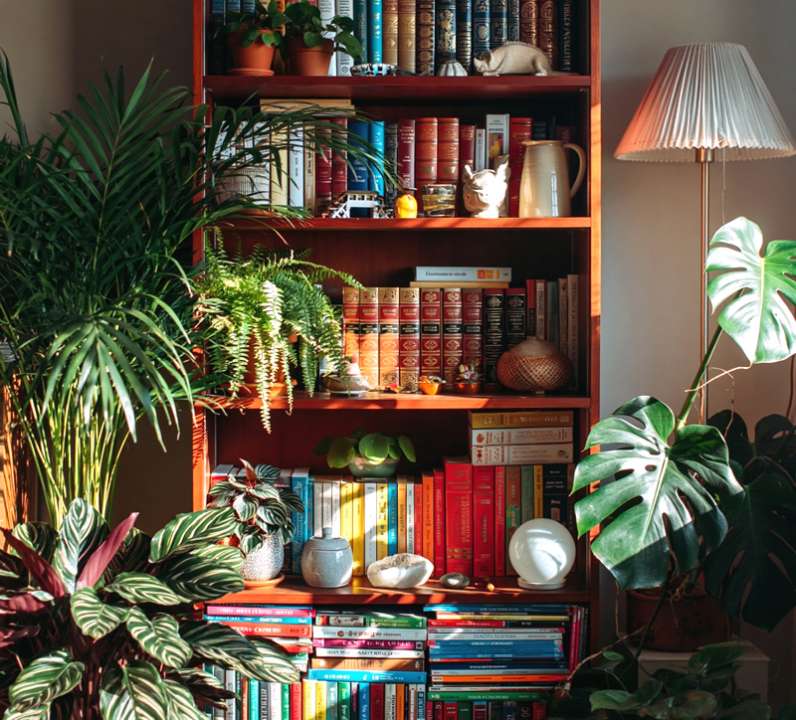
Here just a few houseplants framing a bookshelf, soften the furniture and combined with the smaller plants on the shelves add a surprising amount of warmth and life to a room.
Looking After Houseplants During Winter
Winter can be a challenging time for indoor plants, particularly in homes where central heating is used regularly. Shorter days mean reduced natural light, while warm, dry air can affect plants that naturally grow in more humid environments.
A little adjustment to your usual care routine can make a considerable difference.
Make the Most of Natural Light
Light levels are generally much lower during winter, so plants may benefit from being moved closer to a window or into a brighter room. A position that was suitable during the summer may become too dark once the days shorten.
Clean windows can also help maximise the available daylight. Avoid leaving plants behind curtains on cold nights, as temperatures close to the glass can drop considerably.
Be Careful with Watering
Many houseplants grow more slowly during winter and therefore use less water. This means the watering routine that worked during summer may leave compost too wet during the colder months.
Check the compost before watering rather than following a fixed schedule. Allowing the surface to dry slightly between waterings is suitable for many plants, although the exact requirement depends on the species. Succulents generally need much longer drying periods than ferns or other moisture-loving plants.
Watch Out for Dry Air
Central heating can reduce indoor humidity, which may cause problems for ferns, Ctenanthe and other plants that prefer more humid conditions. Brown leaf edges, crisp foliage and increased leaf drop can sometimes be signs that the air is too dry.
Grouping plants together can help create a slightly more humid environment around their foliage. A tray of damp pebbles can also be useful, provided the base of the pot is kept above the water rather than sitting in it.
Avoid Sudden Temperature Changes
Keep plants away from radiators, open fires and cold draughts. A warm position beside a radiator may seem attractive, but the combination of heat and dry air can quickly damage delicate foliage.
Likewise, avoid placing tropical plants against very cold windows or in areas where doors are frequently opened to the outside. Most common houseplants prefer reasonably stable temperatures.
Reduce Feeding
Most houseplants need less fertiliser during winter because their growth slows with the reduced light levels. Unless a plant is actively growing or flowering and has particular feeding requirements, it is generally best to reduce or pause routine feeding until growth picks up again in spring.
Check Plants Regularly for Pests
Warm indoor conditions can encourage pests such as scale insects, mealybugs, spider mites and fungus gnats. Inspect leaves, stems and the surface of the compost occasionally, particularly on plants that have been brought indoors from outside.
Early detection makes problems much easier to manage. Isolate affected plants where possible and deal with infestations promptly, using an appropriate treatment for the plant and pest involved.
A Little Thought for Pets and Children
When bringing more plants into the home, it's worth remembering that not every popular houseplant is suitable for a household where pets or young children may chew or handle foliage.
Some plants, including amaryllis, anthurium, Dracaena and certain other common houseplants, can be harmful if eaten. The level of risk varies between plants and the part consumed, so it's sensible to check the suitability of individual varieties before bringing them into a home with inquisitive pets.
Position plants out of reach where necessary, and seek veterinary advice promptly if you suspect a pet has eaten a potentially toxic plant.
Bring a Little More Life Indoors This Winter
The darker months don't have to mean an end to colour, greenery and gardening enjoyment. With a little thought, even a small collection of houseplants can transform a room, creating a more natural and welcoming atmosphere while we wait for spring to arrive.
Whether you prefer the bold flowers of an amaryllis, the patterned leaves of a Ctenanthe, the graceful shape of a palm or the cascading growth of a trailing plant, there are plenty of ways to create an indoor display that reflects your own taste and available space.
And perhaps the best part is that these are not simply decorations for a few weeks. Many of the plants we've looked at can be enjoyed for years, growing and developing as part of the home.
So, while the garden takes a quieter turn outside, there's no reason not to keep a little gardening going indoors.
Brighten your home with a little natural colour this winter.
Explore our range of flowering houseplants, foliage plants and seasonal bulbs at Ardcarne Garden Centre. Whether you're looking for a festive flowering plant, a new addition to your indoor collection or a natural gift for someone special, we have plenty of inspiration to help you bring a little more greenery into your home.
Visit us in Boyle or Roscommon Town, or browse our selection online.
Explore Our HouseplantsShare this article: