
Few groups of summer-flowering perennials provide such a long season of colour, attract such a wide range of pollinating insects and combine so effortlessly in the garden as the plants collectively known as Coneflowers. Yet the name itself can be a little misleading.
Strictly speaking, the common name 'Coneflower' belongs to Echinacea, thanks to its distinctive raised central cone. However, you'll often see the same name applied to Helenium and Rudbeckia, both of which also produce prominent central discs surrounded by colourful petals. Whilst closely related members of the daisy family (Asteraceae), they each have their own characteristics, preferred growing conditions and role within the garden.
Understanding these subtle differences allows you to make better planting choices whilst combining all three to create vibrant borders that flower from mid-summer well into autumn.
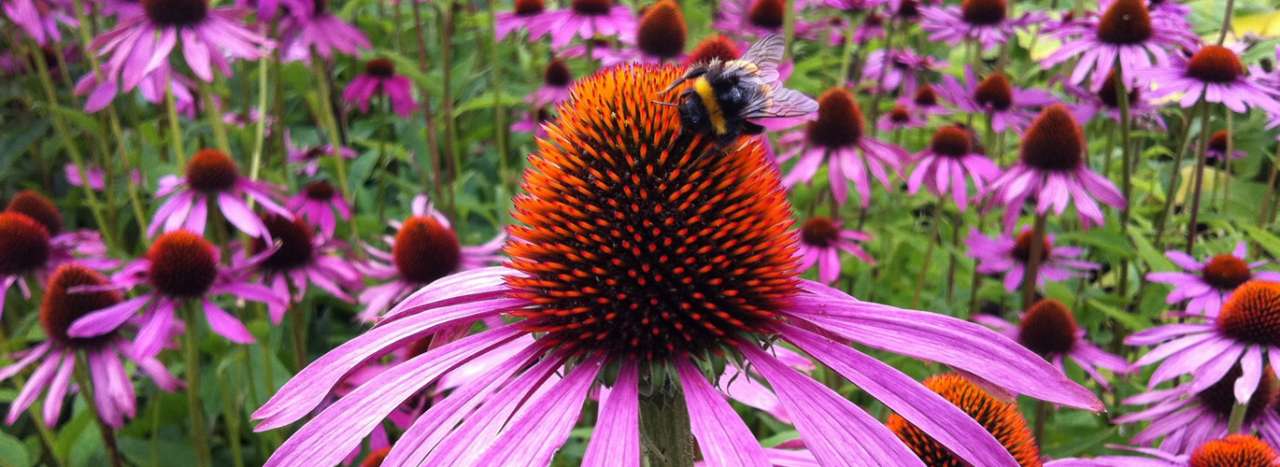
Echinacea purpurea look wonderful planted in huge swathes but they will need a soil that remains well-drained over winter if you want to see a display like this one year-after-year - Image by Daniela Britti from Pixabay
Three Plants, One Beautiful Combination
Echinacea, Helenium and Rudbeckia are often planted together because they flower at similar times and complement one another beautifully. However, they aren't identical in their growing preferences. Understanding those differences is the key to getting the very best from each.
Understanding Coneflowers
Echinacea – The Classic Coneflower
Native to the North American prairies, Echinacea is perhaps the best-known member of the group. Characterised by its large raised central cone surrounded by drooping petals, modern breeding has produced an extraordinary range of colours including white, yellow, orange, coral, crimson and rich pinks.
Unlike many traditional cottage garden perennials, Echinacea naturally thrives in well-drained soils and once established shows excellent drought tolerance. It is therefore often the best choice where summers are becoming warmer or rainfall less predictable.
The flowers are magnets for bees and butterflies, whilst leaving the seed heads intact over winter provides valuable food for birds and attractive architectural interest.
Helenium – Late Summer Fire
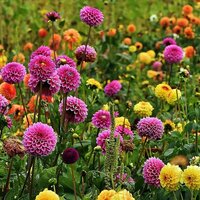
If Echinacea provides elegance, Helenium brings warmth and drama. Producing masses of daisy-like flowers in shades of gold, copper, burnt orange and deep red, these perennials create spectacular displays from midsummer through to early autumn.
Unlike Echinacea, Helenium naturally grows in richer soils that retain more moisture. Given sufficient water they flower prolifically, making them ideal companions for ornamental grasses and late-flowering salvias.
Rudbeckia – Reliable Autumn Colour
Perhaps best known for the ever-popular Rudbeckia 'Goldsturm', Rudbeckias bridge the gap between Echinacea and Helenium in terms of cultivation. Most enjoy full sun and reasonably fertile soil whilst producing abundant flowers over many weeks.
Modern varieties now range from compact container plants through to statuesque border specimens exceeding one metre in height.
Perfect for Prairie-style Planting
All three genera combine beautifully with ornamental grasses, creating naturalistic planting schemes that sway in late summer breezes whilst supporting a wealth of pollinating insects. They also work wonderfully in traditional cottage gardens, mixed herbaceous borders and even larger containers.
Where & How to Grow Coneflowers
Whilst each genus has its own preferences, all three reward gardeners who provide plenty of sunshine. Although many varieties will tolerate light or dappled shade, flowering is invariably stronger, stems sturdier and colours more vibrant when grown in a position receiving at least six hours of direct sunlight each day.
Soil
- Echinacea: Free-draining soil is essential. Heavy winter wet is often a greater threat than summer drought.
- Helenium: Enjoys fertile soil that retains moisture during the growing season.
- Rudbeckia: Happy in most reasonably fertile, well-drained garden soils with consistent moisture.
All three generally tolerate acidic, neutral and alkaline soils, making them adaptable to many Irish gardens.
Gardening in the West of Ireland?
If your garden naturally holds water through winter, improving drainage before planting is well worth the effort—particularly for Echinacea. Incorporating horticultural grit and raising the planting area slightly can make a significant difference to long-term success. Alternatively, most echinacea varieties are suitable for container growing and can then be moved to a drier position over the wetter months.
Planting Coneflowers
Most Coneflowers sold at garden centres are hardy perennial varieties that will provide reliable colour for many years. Spring remains the ideal planting season, allowing roots to establish whilst soils are naturally moist.
Echinacea differs slightly from Helenium and Rudbeckia in that it generally dislikes prolonged winter wet whilst becoming established. For this reason, spring and early summer planting are usually preferable.
- Dig a planting hole approximately the same depth as the nursery pot and slightly wider.
- Improve poor soils with garden compost or well-rotted organic matter.
- On heavy clay, incorporate horticultural grit to improve drainage.
- Water the plant well before removing it from the pot.
- Loosen any congested roots.
- Position the crown level with—or very slightly above—the surrounding soil.
- Apply mycorrhizal fungi around the root system if available.
- Backfill, firm gently and water thoroughly.
Allow adequate spacing between plants. Whilst newly planted specimens can appear rather small, most varieties gradually develop into generous clumps over several seasons.
Growing Coneflowers in Containers
Many modern cultivars, particularly compact Echinacea and Rudbeckia varieties, perform exceptionally well in containers. Choose a good-quality peat-free compost, ensure excellent drainage and water consistently throughout prolonged dry weather.
Containers also provide an excellent solution where garden soils are unsuitable, allowing you to create ideal growing conditions for individual plants.
Looking After Coneflowers
Watering
Keep newly planted specimens well watered during their first growing season.
Once established:
- Echinacea becomes relatively drought tolerant.
- Helenium appreciates regular watering during dry spells.
- Rudbeckia sits somewhere between the two, benefiting from consistent moisture without becoming waterlogged.
Feeding
A spring mulch of compost or well-rotted organic matter is generally all that's required. Excessive feeding often encourages lush foliage at the expense of flowers.
Deadheading & Winter Interest
Removing spent flowers encourages continued blooming throughout summer. Towards autumn many gardeners choose to leave seed heads standing, particularly on Echinacea, where they continue feeding birds whilst adding winter structure to the border.
Propagation
Coneflowers are generally long-lived perennials, but after several years even healthy clumps can become congested or begin to lose vigour. Fortunately, they are relatively straightforward to propagate, allowing you to rejuvenate existing plants whilst producing new ones for elsewhere in the garden.
Division
The easiest method for both Helenium and many Rudbeckia varieties is division. Lift mature clumps in early spring or autumn, separate them into smaller sections with healthy roots attached and replant immediately.
Division not only produces additional plants but often restores flowering performance by reducing congestion.
Seed
Species forms of Echinacea and Rudbeckia can be grown successfully from seed, although named cultivars rarely come true. Modern hybrids are therefore usually propagated commercially by division or tissue culture.
Root Cuttings
Some Echinacea cultivars can also be propagated from root cuttings during winter, although this is generally a technique more suited to experienced gardeners.
A Garden That Grows With You
Propagating established plants is one of the most satisfying aspects of perennial gardening. A single healthy clump can gradually be divided and replanted throughout the garden, helping borders mature naturally over time without continually purchasing new plants.
Some of Our Favourite Varieties this Seasob
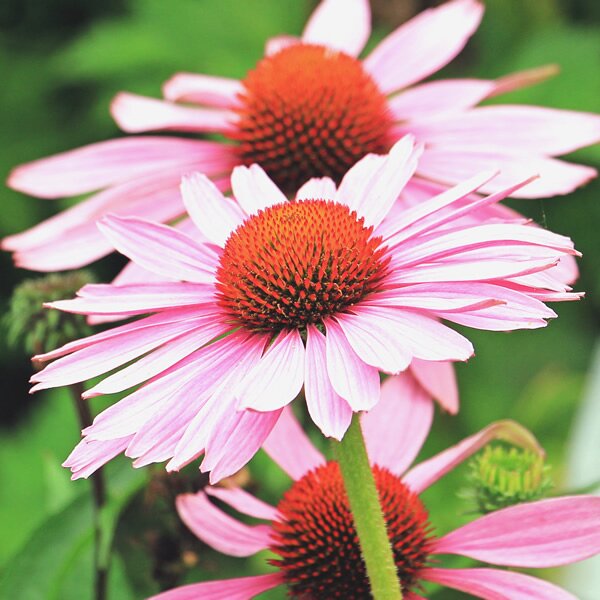
Echinacea Sunseekers 'Blush'
Compact variety of echnacea with pink petalled flowers and a central brown cone
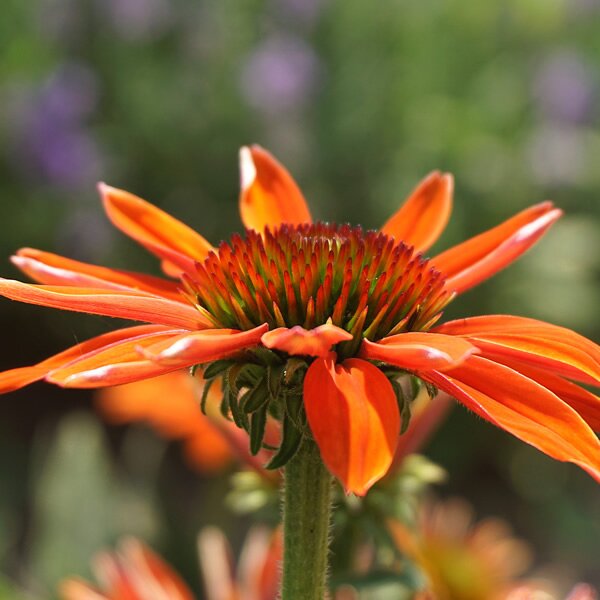
Echinacea 'Devotion'®
Part of the 'Moodz' series, this highly attractive, compact, upright, perennial coneflower produces large, orange-to-pink blooms with a central orange-brown cone and recurved ray petals from summer into autumn.
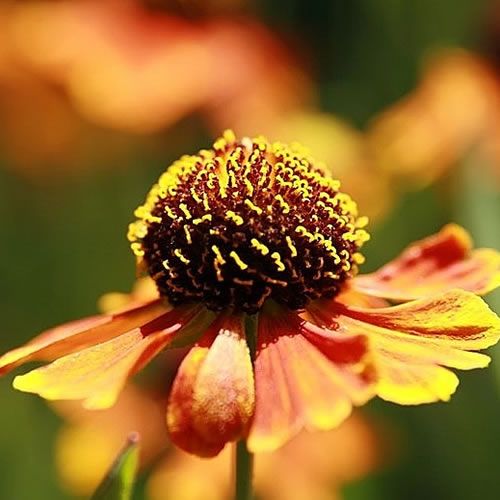
Helenium 'Mardi Gras'
Dwarf helenium is shorter than most of its cousins, producing large yellow daisies that turn orange and red as they mature. Perfect for container growing.
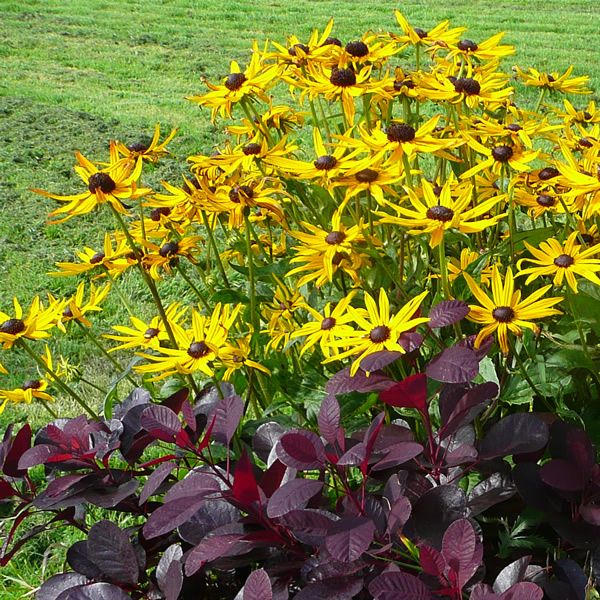
Rudbeckia 'Goldsturm'
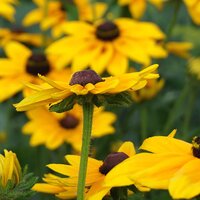
Perhaps the best-known Rudbeckia, valued for its masses of golden-yellow flowers with dark central cones that continue well into autumn.
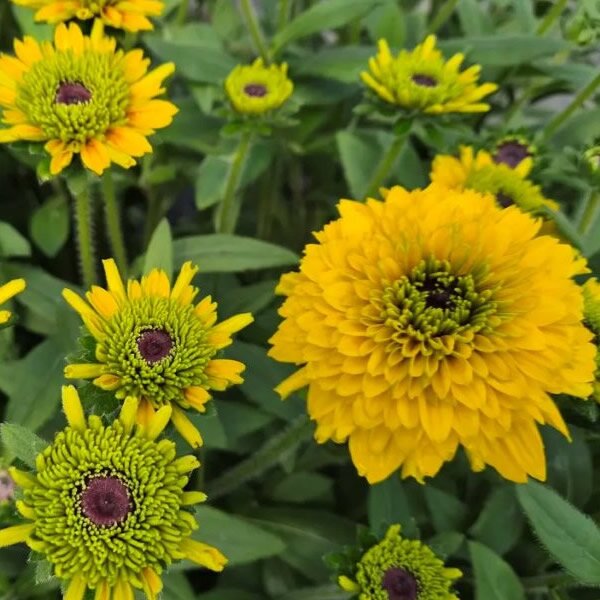
Rudbeckia Sunbeckia 'Noa'
Bred to produce large, double, golden yellow flowers on well branching, sturdy stems throughout the summer. Another great candidate for pots and containers
Companion Planting
Coneflowers combine effortlessly with many of the perennials featured elsewhere in our Knowledge Hub, creating long-lasting displays that support pollinating insects throughout the growing season.
- Ornamental Grasses — Miscanthus, Panicum and Stipa provide movement and contrast.
- Salvia — Cool blues and purples complement the warm tones of Helenium and Rudbeckia beautifully.
- Achillea — Similar growing requirements make these ideal companions in sunny borders.
- Nepeta — Creates a long flowering carpet beneath taller Coneflowers.
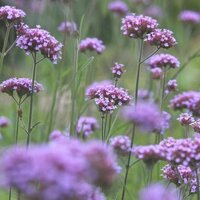
- Veronicastrum & Persicaria — Add height and naturalistic structure.
- Sedum (Hylotelephium) — Extends seasonal interest well into autumn.
Designed for Pollinators
By combining Coneflowers with other nectar-rich perennials that flower from spring through autumn, you can provide a continuous source of food for bees, butterflies and many beneficial insects throughout the growing season.
Common Problems & Solutions
Poor Flowering
Cause: Too much shade or excessive feeding.
Solution: Move plants to a sunnier position where possible and avoid high-nitrogen fertilisers.
Plants Flopping Over
Cause: Overcrowding, rich soil or insufficient sunlight.
Solution: Divide congested clumps and grow in full sun for stronger stems.
Echinacea Disappearing After Winter
Cause: Poor drainage leading to winter rot.
Solution: Improve drainage before planting or grow in raised beds or containers.
Powdery Mildew
Cause: Dry roots combined with poor air circulation.
Solution: Water during prolonged dry periods and maintain good spacing between plants.
Frequently Asked Questions
Are all Coneflowers drought tolerant?
No. Echinacea is generally the most drought tolerant once established, whilst Helenium performs best in soils that retain moisture.
Should I cut Coneflowers back in autumn?
You can, but many gardeners leave the seed heads standing until late winter to provide structure and food for birds.
Can Coneflowers be grown in pots?
Yes. Compact Echinacea and Rudbeckia varieties are particularly well suited to container growing provided they are watered regularly and grown in a free-draining compost.
Do Coneflowers attract bees?
Absolutely. Echinacea, Rudbeckia and Helenium are all excellent plants for pollinating insects and make valuable additions to wildlife-friendly gardens.
Final Thoughts
Although they're often grouped together under the single name 'Coneflowers', Echinacea, Helenium and Rudbeckia each bring something slightly different to the garden. Understanding those differences allows you to create combinations that not only look spectacular but also perform reliably year after year.
Choose the right plant for the right conditions and these late-summer stalwarts will reward you with months of colour, invaluable nectar for pollinators and beautiful seed heads that continue providing interest long after the last flowers have faded.
Ready to Find the Right Plants for Your Garden?
Whether you're creating a vibrant prairie-style border, supporting pollinating insects or simply looking for reliable late-summer colour, we're always happy to help. Browse our range online or visit us in-store for friendly advice on choosing the perfect plants for your garden.
Explore Our Plant Collection