
October is one of the most useful months in the gardening calendar. While the garden is beginning to slow down for winter, the soil is still relatively warm and there is usually plenty of moisture around to help newly planted plants establish. Rather than thinking of autumn as the end of the gardening year, it is worth looking at it as the beginning of the next one.
There are still plenty of crops to harvest, leaves to clear and plants to tidy, but October is also an excellent time for planting trees, shrubs, perennials, hedging and spring bulbs. A little work now can give plants several months to establish before the growing season begins again next spring.
Why plant in autumn?
It can be tempting to wait until summer, when garden centres are full of plants in flower and everything looks its best. However, summer is often one of the more challenging times to establish new plants. Warmer, drier conditions mean newly planted plants require much more watering, while autumn planting allows roots to establish while the soil is still warm and naturally moist.
Ornamental Flowers, Trees & Shrubs
Planting for a Better Spring and Summer
October is an excellent time to plant trees, shrubs and herbaceous perennials. The combination of warm soil and increasing rainfall gives plants an opportunity to establish a good root system before winter, without the stress of the hot and dry conditions that can make summer planting more demanding.
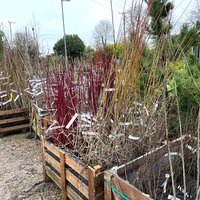
This is particularly worth remembering when buying herbaceous perennials. In summer, a plant in full flower can look impressive in a pot, but by autumn many herbaceous perennials are beginning to die back and can look decidedly unimpressive above ground. Don't be put off! This is often an excellent time to plant them. Once established over autumn and winter, they can put on much stronger growth when spring arrives.
Autumn planting also gives you a much better opportunity to assess the structure of your garden. You can see where there are gaps, where more evergreen interest is needed and where you could introduce trees and shrubs for autumn and winter colour.
If you are planting a tree or shrub now, prepare the planting hole properly, improve the surrounding soil where appropriate and water the plant in thoroughly. Continue watering newly planted specimens during prolonged dry spells until they are well established.
Hedges and Bare-Root Planting
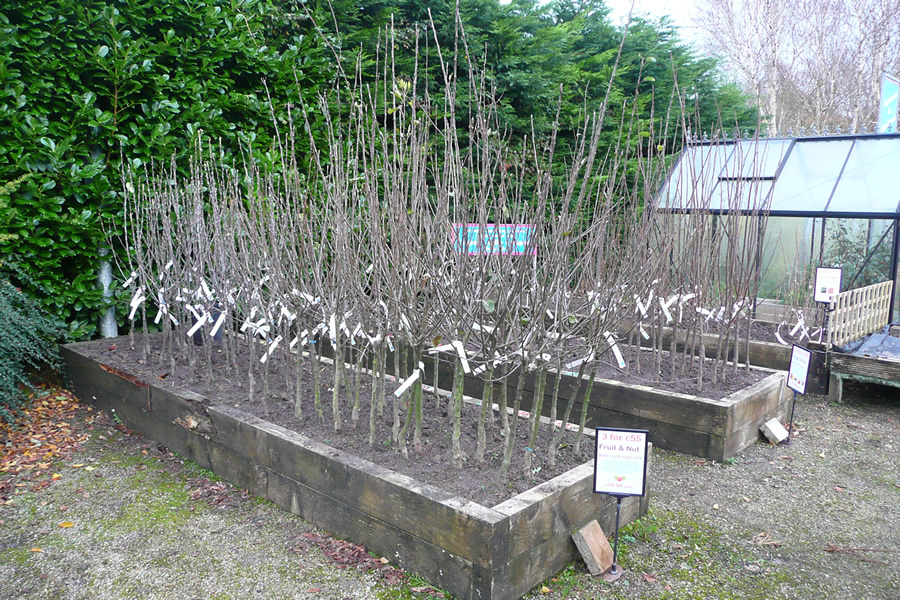
We will have a wide selection of bare root fruit trees available - usually around the end of October so keep an eye on our Bare Root category in our online store for availability.
October is also a good time to start thinking about new hedges. Container-grown hedging can be planted while the soil remains workable, while bare-root deciduous hedging will begin to become available as the season progresses.
If you are planning a larger hedge, it may be worth waiting until November when a wider range of bare-root hedging, shrubs and trees will normally become available. Bare-root plants can offer a much more economical way of planting a large number of plants, making them particularly useful for new hedges or larger planting schemes.
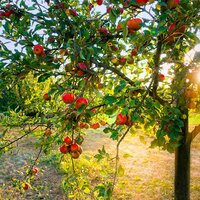
October is also the beginning of the bare-root fruit tree season, with some varieties starting to arrive in-store towards the end of the month. Apples, pears, plums and other fruit trees can be planted during the dormant season, giving their roots plenty of time to establish before spring growth begins.
Dividing and Moving Plants
If established herbaceous perennials have become overcrowded, flowered poorly or simply outgrown their allotted space, autumn is a good opportunity to lift and divide many of them.
Suitable candidates for autumn division include hostas, hardy geraniums, daylilies, heucheras, bergenia, crocosmia, asters, sedums and many ornamental grasses. Always check the requirements of the individual plant, as some are better divided at other times of year.
There's also no reason why you can't move a plant simply because you've changed your mind about where it should be! Deciduous shrubs and many established perennials can be moved while dormant, provided they are lifted carefully with as much of the root system intact as possible and replanted promptly.
A useful rule of thumb is that summer-flowering perennials are generally divided in spring or autumn, while many spring-flowering perennials are best divided in summer after flowering. The reason is quite simple: division is least stressful when plants are not in their main period of active growth. Spring-flowering plants have already finished flowering by summer and have time to establish new roots before winter, while summer-flowering plants can be divided while dormant in autumn or before they begin their main growth in spring.
Spring Bulbs
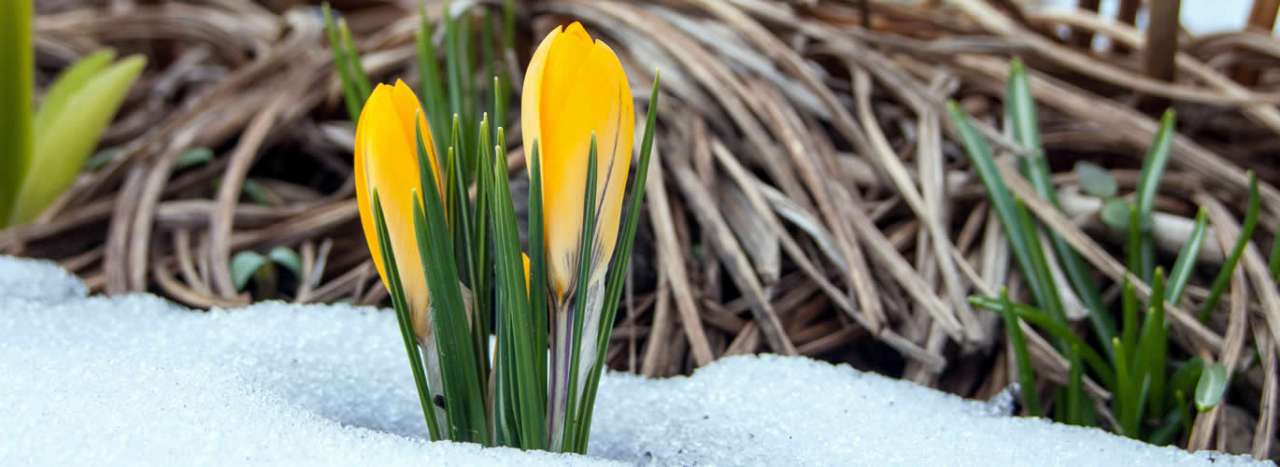
October is a great month for planting bulbs like crocus as the ground is still workable and we still get a few dry days. Planting now will then guarantee some colourful displays from late winter or early spring.
Early flowering crocus image by Steffen Wachsmuth from Pixabay
If you haven't already started planting your spring bulbs, October is an ideal time to get them into the ground. Daffodils, crocuses, alliums, hyacinths and many other spring-flowering bulbs can be planted now, while tulips are traditionally planted a little later in autumn.
Planting bulbs in groups or drifts generally gives a much stronger display than scattering individual bulbs throughout a border. They can be planted into beds and borders, containers or naturalised through suitable areas of lawn and grass.
If you want more detailed advice on choosing and planting bulbs, take a look at our Spring Bulb Planting Quick Guide.
Winter Containers
Summer containers can look tired by October, so now is the perfect time to create a fresh display that will carry colour and interest through the colder months. Rather than relying entirely on flowers, combine plants with attractive foliage, berries, evergreen structure and seasonal colour.
Some excellent choices for autumn and winter containers include:
- Heuchera
- Skimmia
- Carex and other evergreen grasses
- Hedera (ivy)
- Euonymus
- Gaultheria
- Winter-flowering heathers
- Violas and winter pansies
- Cyclamen
- Primulas
- Ornamental cabbage and kale
- Small evergreen ferns
- Small conifers
- Rosemary, thyme and sage
The key to a successful winter container is to combine contrasting shapes, colours and textures rather than simply choosing several plants that flower at the same time. Evergreen shrubs and foliage plants provide the structure, while seasonal bedding and bulbs can provide the colour. Heucheras, for example, offer long-lasting foliage and work particularly well in containers.
Three simple combinations to try:
- Heuchera + Skimmia + Winter Pansy – colourful foliage, evergreen structure and plenty of winter flowers.
- Carex + Cyclamen + Ivy – contrasting textures with flowers and trailing foliage.
- Gaultheria + Heuchera + Viola – berries, foliage and cheerful flowers for a colourful autumn and winter display.
Grow Your Own
For Outdoors
October is still a productive month in the vegetable garden, with plenty of crops ready to harvest and several opportunities for planting and preparing for winter.
Continue harvesting carrots, beetroot, leeks, potatoes, pumpkins, squash, courgettes, French beans, runner beans, apples, pears and autumn raspberries as they reach maturity. Bring tender crops such as pumpkins and squash under cover if prolonged wet or cold weather threatens the crop.
Spring cabbages can be planted out now if they were started earlier in the year. Protect brassicas with suitable netting to deter pigeons and other pests.
Overwintering onion sets can still be planted, while garlic cloves can be planted from now into early winter. Choose named garlic varieties sold specifically for planting rather than simply breaking apart supermarket garlic. Specialist planting garlic is selected for suitable growing conditions and varieties, while supermarket bulbs may be poorly suited to our climate and can also carry disease or biosecurity risks.
Autumn-planted garlic benefits from the cold period over winter and can provide an early crop the following year, with harvesting generally beginning in late spring or early summer depending on variety and growing conditions.
If your soil is heavy or prone to winter waterlogging, consider planting garlic in raised beds or containers, or starting cloves in modules for planting out later.
Where vegetable beds are becoming empty, remove finished crops and clear away diseased material. Healthy plant material can be composted, while bare areas can be covered with compost or well-rotted organic matter to protect the soil over winter. Green manures can also be useful for protecting and improving bare ground.
For Polytunnels & Greenhouses
There is still plenty that can be done in the polytunnel during October. As summer crops finish, clear away tired plants and remove old leaves and debris before cleaning beds and structures ready for winter.
However, don't assume that the tunnel has to sit empty until spring. October is an excellent time to sow hardy salad crops directly into prepared beds. Depending on conditions, crops such as winter lettuce, oriental leaves and spinach can provide useful harvests through the colder months.
You can also sow Claytonia, chervil, dill, oriental salads and spinach in modules for planting out or growing under cover. Try sowing around four to five seeds per cell, depending on the seed and desired harvest, to produce small clumps of plants that can provide useful late-winter and early-spring crops.
Garlic can also be planted directly into prepared polytunnel beds this month. The protected environment can provide an excellent growing space for an early crop, with autumn planting allowing the cloves to establish over winter before producing new growth in spring.
If you still have basil growing towards the end of the month, don't leave it until the first cold night ruins the crop. Harvest the remaining healthy leaves and turn them into pesto or another preserve so that you can enjoy the last of the summer flavour before temperatures fall.
Give the greenhouse or polytunnel a thorough clean as crops finish. Wash glass, remove algae and debris, clean pots and trays and check vents, doors and glazing. Good hygiene now will reduce the opportunity for pests and diseases to carry over into next year's growing season.
Indoor Plants
As daylight levels fall and temperatures become cooler, houseplants will gradually slow down. Reduce watering where appropriate, allowing compost to dry slightly between waterings for plants that prefer a drier winter period.
Most houseplants will also need little or no additional feeding through the winter months. Plants that continue to grow actively can still receive occasional feeding, but avoid treating every plant according to the same schedule.
If you haven't already brought summer houseplants and tender plants back indoors, check them carefully for pests before doing so. Look underneath leaves, around stems and at the surface of the compost for aphids, scale insects, mealybugs and other unwanted visitors.
Make the most of brighter windowsills for plants that need plenty of light, but avoid placing foliage directly against cold glass or beside radiators and other sources of dry heat.
General Maintenance
October is an excellent month for giving the garden a general tidy, but resist the temptation to cut everything back at once. Leaving some seedheads and hollow stems standing through winter provides food and shelter for wildlife and can add structure to the garden during the colder months.
Remove only collapsed, diseased or particularly untidy growth for now, leaving attractive seedheads and stems where possible.
Keep lawns clear of heavy accumulations of leaves and continue mowing while the grass is actively growing, gradually raising the cutting height as winter approaches. October is also a good time to repair bare patches or carry out more substantial lawn renovation while conditions are suitable.
Clear leaves from paths, steps and patios regularly, particularly in damp areas where they can become slippery.
Keep gutters, drains and water butts clear of leaves and debris, and make sure rainwater harvesting systems are ready to collect the increased rainfall of the coming months.
Ponds should also be kept free of excessive leaf litter. A temporary net over a pond can make autumn maintenance considerably easier, while dead or dying aquatic foliage can be removed as necessary.
Finally, take a little time to clean, sharpen and oil your garden tools. Secateurs, loppers, shears and spades will all benefit from some attention now, leaving them ready for the next busy gardening season.
Final Thoughts
October may look like the garden is winding down, but there is actually a huge amount that can be achieved this month. From planting spring bulbs and establishing new trees, shrubs and perennials to dividing established plants, preparing hedges and planting garlic, autumn is one of the most productive times of year for gardeners.
Perhaps most importantly, don't be put off by plants that look a little less impressive than they did in summer. A herbaceous perennial may have finished flowering and be dying back, but beneath the soil it is establishing roots that will help it get away strongly next spring. By planting now rather than waiting until the heat of summer, you are giving your garden a valuable head start.
Make the most of autumn planting
From spring-flowering bulbs and autumn perennials to trees, shrubs, fruit trees, garlic, seeds and winter container plants, October is a great time to get your garden ready for the seasons ahead. Visit us in-store or browse our online shop for inspiration.