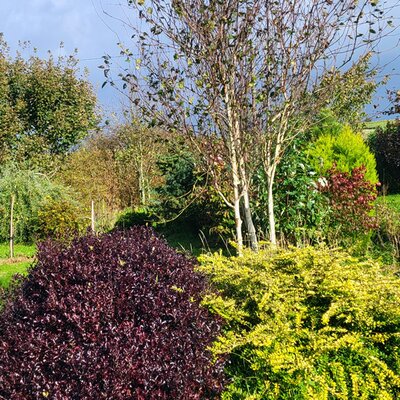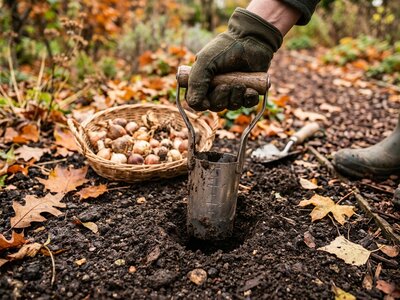

The weather might not always encourage us to spend time in the garden during autumn, but this is one of the best times of year to plant trees. October is an excellent opportunity to get started, while the soil is still workable and generally retains some warmth from the summer. Planting now gives trees time to begin settling into their new surroundings over the winter, ready to make the most of the growing season ahead.
Whether you're planting an ornamental tree, adding fruit trees to your garden or looking for something to provide shelter and structure, a little care at planting time can make a real difference to how well your tree establishes.
In this Quick Garden Guide, we'll look at how to prepare the ground, plant at the correct depth, and give your new tree the best possible start in an Irish garden.
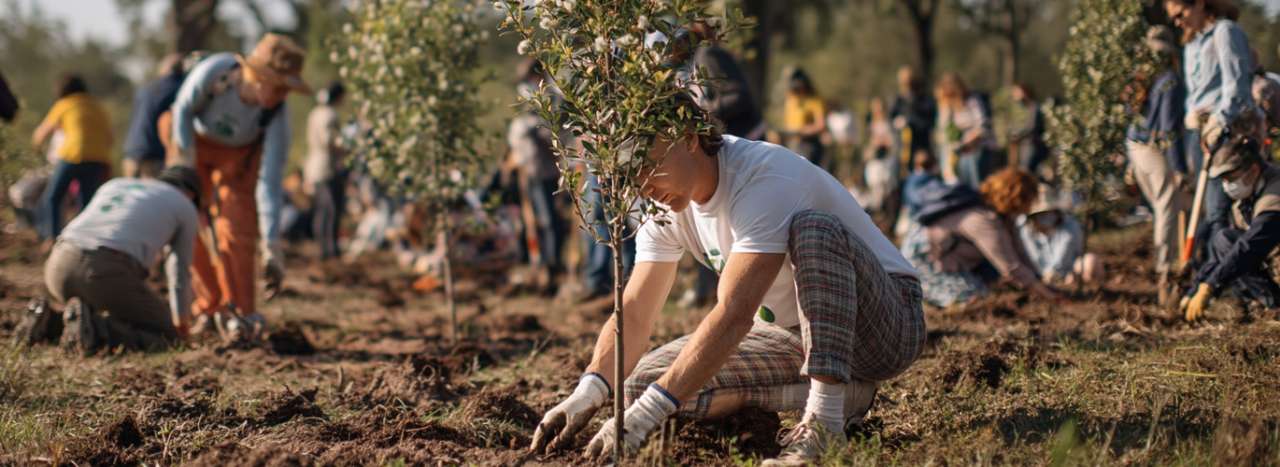
Why Plant Trees in Autumn?
For many trees, autumn through to early spring is an ideal planting period, provided the ground isn't waterlogged or frozen.
Deciduous trees gradually enter dormancy as the days shorten and temperatures fall. Although the branches may appear inactive, the roots can continue to grow when soil conditions and temperatures are suitable. Planting during this quieter period allows a tree to begin establishing its root system before the demands of spring growth arrive.
Autumn weather can also work in our favour. Rainfall often reduces the need for watering compared with planting in late spring or summer, while cooler conditions put less demand on a newly planted tree.
There is one important qualification, particularly for those of us gardening in the west of Ireland: autumn is a good time to plant, but waterlogged soil is not. If the ground is saturated, sticky and difficult to work, it is better to wait for conditions to improve.
Before You Start: Choose the Right Spot
Before digging, think about how large the tree will eventually become and how it will fit into your garden.
- Allow for its mature size. Consider the eventual height and spread, not just the size of the tree in its pot today.
- Check the light and exposure. Some trees tolerate exposed, windy conditions better than others, while fruiting and flowering trees may need a suitable amount of sunlight.
- Consider the soil. Is it free-draining, heavy clay, or prone to standing water during winter? Choose a tree suited to the conditions you can provide.
- Look upwards and outwards. Consider buildings, overhead cables, paths, boundaries and underground services before choosing a planting position.
Getting the location right at the beginning is far easier than discovering several years later that the tree has outgrown its space.
Step 1: Check Your Soil Conditions
In our climate, it can be tempting to take advantage of any break in the rain and get planting. However, the condition of the soil matters more than sticking rigidly to a particular date.
If water is standing on the surface or collecting in the bottom of a freshly dug hole, postpone planting. Waterlogged soil contains too little air for healthy root function, and working it when saturated can also damage its structure by compacting the soil.
If your garden is consistently wet over winter, consider whether the tree is suited to those conditions. In some situations, planting on a suitable raised mound may help, but it is not a universal solution for every tree or every site.
Step 2: Prepare the Planting Area
One of the most important jobs is to loosen the soil around the future root system. It is easy to concentrate entirely on digging a hole just large enough for the rootball, but roots need somewhere to grow once they move beyond it.
Loosen the soil over a reasonably wide area and to at least the depth of the rootball. Break up compacted ground and remove competing grass and weeds. This creates a better environment for roots to spread into the surrounding soil.
There is an ongoing debate about whether a planting hole should be square or round. The useful principle behind the discussion is that roots need to be encouraged to grow outwards rather than remain confined to a neat planting hole.
A square hole can be particularly helpful in heavy soil because the corners provide routes for roots to explore beyond the loosened planting area. A round hole is perfectly workable in many gardens, too. What matters most is preparing the surrounding ground properly, avoiding glazed, compacted sides and giving roots room to spread.
Should You Add Compost to the Planting Hole?
Despite advice that still appears in some gardening guides, routinely adding compost or other organic matter directly into the planting hole is not generally recommended when planting trees.
The aim is to encourage the roots to establish in the natural soil around them, rather than creating a pocket of substantially different material. Organic matter in the hole can settle as it decomposes, potentially causing the tree to sink, and a markedly different backfill can discourage roots from moving readily into the surrounding soil.
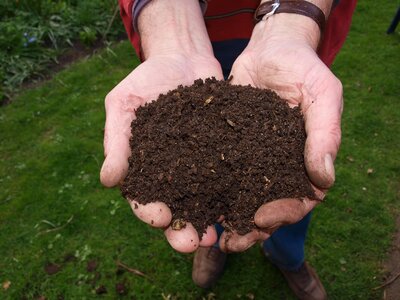
This doesn't mean compost has no place in tree planting. Improving poor soil with organic matter over a wider area, where appropriate, is different from filling an individual planting hole with a rich compost mixture. For routine planting, use the soil you removed to backfill the hole.
Step 3: Prepare the Tree
How you prepare the tree depends on whether it has been grown in a container or supplied bare-root.
For container-grown trees: Water the tree thoroughly about an hour before planting. This gives the rootball time to absorb moisture before it is removed from the pot. A dry rootball can be surprisingly difficult to re-wet once it is in the ground.
For bare-root trees: Keep the roots protected from wind and sunlight until you are ready to plant. Soak the roots in a bucket of water for around 30 minutes before planting, following any specific instructions supplied with the tree. Do not leave them submerged for prolonged periods.
Once the container is removed, inspect the roots. If they have become tightly congested or are circling around the outside of the rootball, gently tease out the outer roots where possible. Severely pot-bound roots may need careful correction to encourage growth outwards.
Step 4: Position the Tree at the Correct Depth
This is one of the most important parts of planting, and one of the easiest mistakes to make.
Dig a hole wide enough to accommodate the root system comfortably, but no deeper than necessary. Position the tree so that the point where the main roots begin to flare out from the trunk sits at the finished soil level.
On container-grown trees, the top of the potting compost is not always a reliable guide. Carefully remove any loose excess compost from the surface if necessary to locate the root flare.
Planting too deeply can restrict the supply of oxygen to the roots and leave the lower trunk vulnerable to problems. Planting too high, on the other hand, can expose the roots to drying and damage.
Once the tree is positioned, check it from a short distance away to make sure it is upright and sitting at the correct level.
Step 5: Backfill and Firm the Soil
Use the original soil to fill the hole, working it carefully around the roots and beneath any gaps. For container-grown trees, take care not to leave a large void between the rootball and the surrounding soil.
Firm the soil gently as you go. The aim is to bring the soil into good contact with the roots and remove large air pockets, not to ram it down into a hard, compacted mass.
Once the hole is filled, water the tree thoroughly. This helps settle the soil around the root system and provides moisture for establishment.
Step 6: Mycorrhizal Fungi – Can They Help?
You may have come across products such as Rootgrow, which contain mycorrhizal fungi. These products are designed to introduce beneficial fungi that form a partnership with the roots of compatible plants.
In a natural soil, certain fungi colonise plant roots and develop a network of fine fungal threads that extends into the surrounding soil. This network can help the plant access water and nutrients, particularly nutrients that are not easily reached by the roots alone. In return, the plant supplies the fungi with sugars produced through photosynthesis.
This partnership is known as mycorrhiza, and it is an important part of the relationship between many plants and the soil ecosystem.
Applying a suitable mycorrhizal inoculant at planting may help some trees establish more readily, particularly where suitable fungi are limited in the soil. Results depend on the plant, soil conditions and product, so it should be viewed as a potential aid rather than a guarantee of faster growth.
Follow the product instructions carefully and make sure the inoculant comes into contact with the roots as directed. Good soil preparation, correct planting depth and appropriate watering remain essential.
Step 7: Water, Mulch and Stake if Necessary
Even in a wet climate, newly planted trees can suffer from a lack of moisture, particularly during dry spells or where the rootball is surrounded by soil that dries more quickly than expected.
Water thoroughly after planting and check the soil around the rootball during the first growing season. Water when needed rather than following a fixed schedule, and avoid adding more water when the ground is already saturated.
Applying a layer of suitable organic mulch around the tree can help conserve moisture, suppress some weeds and protect the soil. Keep the mulch away from the trunk, leaving a clear gap at the base.
Staking is not necessary for every small tree. It may be useful for larger or top-heavy specimens, or where the tree is exposed to strong winds and movement at the rootball would hinder establishment. If staking is needed, secure the tree so that the root system is stabilised without preventing all movement of the trunk.
Bare-Root or Container-Grown Trees?
Both can be excellent choices, and neither is automatically better in every situation. The best option depends on the species, the size of tree you want, your budget and the planting conditions.
| Feature | Bare-root trees | Container-grown trees |
|---|---|---|
| Cost | Usually more economical, especially when planting several trees or hedging. | Often more expensive because of the container, growing medium and additional production costs. |
| Availability | Generally available during the dormant season, with the choice depending on the supplier and species. | Often available over a longer part of the year, with a broader range of species, cultivars and sizes. |
| Handling | Roots must be protected from drying out and trees should be planted promptly. | The rootball provides protection during handling, but can become dry or pot-bound. |
| Planting | Roots need to be spread naturally in the planting hole without bending or bunching them. | The rootball needs to be positioned at the correct depth, with congested roots checked before planting. |
| Best suited to | Budget-conscious planting, hedging and many traditional fruit and woodland trees during the dormant season. | Gardeners looking for a particular variety, a larger specimen or a tree outside the bare-root season. |
One practical advantage of bare-root trees is that you can see the root system before planting. This makes it easier to check the roots and position them correctly, although they do need careful handling to prevent drying.
Container-grown trees offer more flexibility and may be the best option if you want a particular species or size. However, always inspect the rootball before planting, as a tree that has spent too long in a container can develop congested or circling roots.
Whichever you choose, the quality of the tree, suitability of the planting site and care taken during establishment are more important than the growing method alone.
What About Fruit Trees?
If you're planning to grow your own apples, pears, plums or other fruit, autumn is a good time to think about planting for future harvests.
Choosing the right variety, rootstock, planting position and pollination partner can all influence the success of your fruit trees. For more detailed advice, including considerations specific to growing fruit in Irish gardens, see our Fruit Trees: General Growing Guide
Join Us for a Tree-Planting Demonstration
Join us on Saturday 17 October for a practical demonstration on planting trees successfully. We'll look at the preparation, planting depth and aftercare that help give new trees a good start.
Demonstration times: 11am and 2pm
20% off selected Ornamental Trees - 16th-18th October
We'll also have a selection of trees available, with bare-root stock expected to arrive towards the end of the month.
Whether you're planting your first tree or adding to an established garden, come along and pick up a few practical tips.
You don't need to overcomplicate the process. Give the roots room to grow into the surrounding soil, avoid unnecessary additions to the planting hole, and take care of the tree while it establishes.
A little care now can help your tree thrive for many years to come.
Visit Ardcarne Garden Centre for advice on choosing a suitable tree for your garden, along with guidance on planting and aftercare.
Explore Trees at ArdcarneEnjoyed this Guide?
Why not share it with other budding gardeners you know: