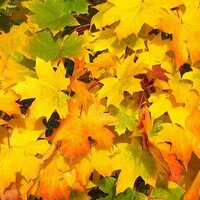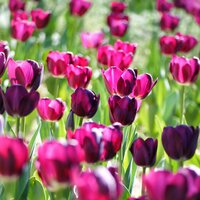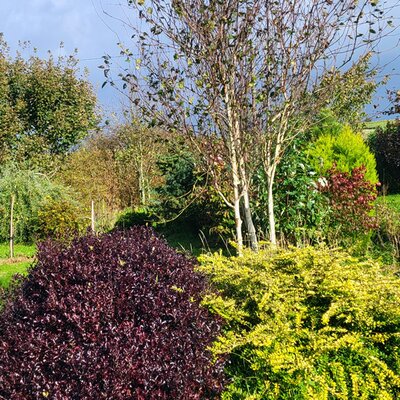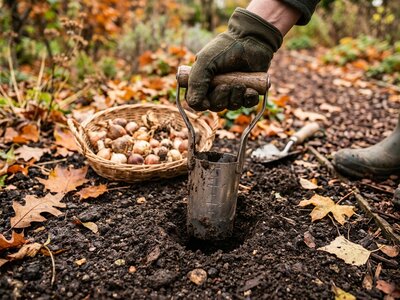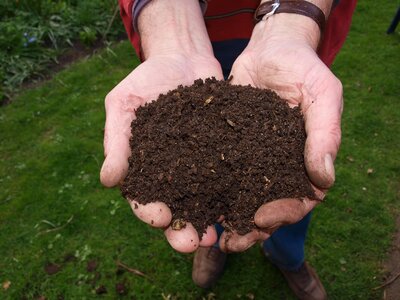

September is a month of transition in the garden. There is still plenty to harvest, late summer colour to enjoy and warm days to make the most of, but the first signs of autumn are becoming increasingly obvious. As the days shorten and temperatures begin to fall, September is the perfect time to start preparing the garden for the months ahead while making the most of everything it still has to offer.
Looking ahead to autumn
September is all about making the most of the changing season. Harvesting, seed saving, dividing perennials, planting spring bulbs and preparing plants for cooler weather will all help set the garden up for a successful autumn and winter.
Ornamental Flowers, Trees & Shrubs
Continue deadheading roses, dahlias, salvias and other late-flowering plants to extend the display for as long as possible. However, don't feel that everything needs to be cut back immediately — leaving some seedheads and stems standing can provide valuable food and shelter for wildlife over autumn and winter.
Dahlias should still be flowering strongly, particularly if they have been regularly deadheaded and fed throughout the summer. Keep picking flowers for the house and remove faded blooms to encourage further flowering.
September is an excellent time to plant new perennials, trees and shrubs. The soil can still be relatively warm while rainfall and cooler temperatures help newly planted specimens establish before winter. It is also a good opportunity to fill gaps in borders now that you can clearly see where extra colour or structure is needed.
If you have been admiring the autumn colour in other gardens, now is a good time to think about adding plants that will bring similar interest to your own garden. Japanese Acers, Nandina and Leucothoe can provide spectacular foliage colour, while Heucheras, evergreen shrubs and ornamental grasses can add texture and interest as summer flowers begin to fade.
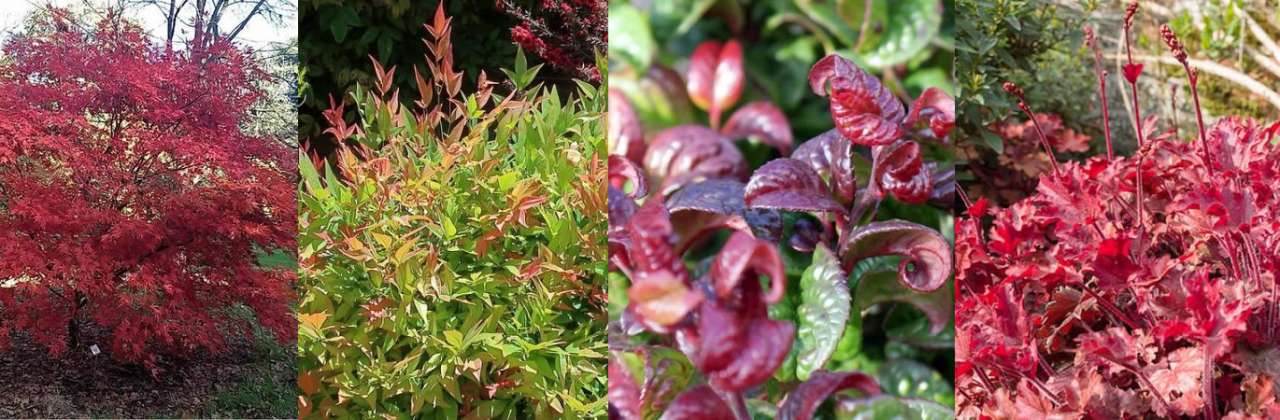
Left to Right - Japanese Acers (Acer Palmatum), Nandina, Leucothoe and Heuchera all provide excellent autumn foliage, adding interest later in the season.
Herbaceous perennials that have become overcrowded can still be divided early in the month, particularly if the weather is cool and moist. Dividing established plants such as hardy geraniums, hostas, daylilies and other suitable perennials is an excellent way to rejuvenate them and create new plants for other parts of the garden.
September is also a particularly useful month for collecting seed. Allow seedheads to mature on suitable plants before collecting them on a dry day. Store cleaned and completely dry seed in labelled paper envelopes in a cool, dry place ready for sowing next year.
For more detailed advice on collecting and storing your own seed, take a look at our Seed Saving Quick Guide.
Watch Out for Vine Weevil
September is also a good time to check container-grown plants for signs of vine weevil. The adults feed on foliage and leave the characteristic notched or scalloped edges around leaves, while the larvae feed on roots and can cause much more serious damage, particularly over autumn and winter.
Plants grown in pots and containers are particularly vulnerable. Keep an eye on plants such as Heuchera, Primula, Bergenia, Rhododendron, Hydrangea, Euonymus, Fuchsia and strawberries, all of which can be affected. If you notice the tell-tale notched leaf margins, it is worth checking the plant and considering a suitable control for the larvae before they cause significant root damage.
Biological vine weevil controls based on beneficial nematodes can be particularly useful at this time of year. They are watered into the compost around affected plants and should be applied according to the product instructions, paying particular attention to the required soil or compost temperature and moisture levels.
If you are moving or repotting container plants, it is also worth checking the rootball and compost for the distinctive creamy-white vine weevil larvae. Treat affected plants appropriately rather than allowing the problem to carry over into the winter.
Grow Your Own
For Outdoors
Harvesting is still a major part of the vegetable garden in September. Potatoes, carrots, beetroot, onions, courgettes, French beans, runner beans, tomatoes, pumpkins and squash may all be ready to pick, depending on what was planted and the conditions during the growing season.
Keep harvesting beans and courgettes regularly to encourage plants to continue producing. Courgettes in particular can quickly become oversized if left unchecked!
Autumn-fruiting raspberries, blackberries, apples and pears should also be coming into their own. Pick fruit as it ripens and remove any damaged or fallen fruit from around plants to reduce the opportunity for pests and disease.
There is still time to sow a selection of crops for autumn and winter use. Spinach, winter lettuce, rocket, salad leaves, radish and other quick-growing hardy crops can be sown early in the month, particularly in sheltered areas.
Overwintering onion sets can also be planted now. Protect newly planted sets from birds until they have rooted securely, particularly if they are being planted into open beds.
Spring cabbage sown earlier in the summer can be planted out into its final position. Protect young brassicas with suitable netting to prevent damage from pigeons and other pests.
Clear away finished crops and remove diseased plant material from the vegetable garden. Healthy plant material can be added to the compost heap, helping to keep beds tidy and making room for autumn and winter crops.
If you have empty areas of soil that will otherwise remain bare over winter, consider sowing a green manure crop to help protect the soil and capture nutrients until the following spring.
For Polytunnels & Greenhouses
There can still be plenty to harvest under cover in September, particularly tomatoes, cucumbers, peppers, chillies and aubergines. Continue harvesting regularly and remove any tired or diseased foliage to improve airflow.
As nights become cooler, keep an eye on greenhouse temperatures and be prepared to close doors and vents earlier in the evening. However, continue ventilating during the day whenever conditions allow to reduce humidity and the risk of fungal problems.
Continue sowing quick-growing salad crops where space is available. Lettuce, rocket, mizuna, mustard greens, coriander and other suitable leaves can provide useful autumn harvests.
Clear away finished crops as they come to an end and clean empty areas thoroughly. September is an ideal time to wash pots, trays and greenhouse surfaces and remove old plant debris before preparing the growing space for the cooler months.
Clean and inspect greenhouse glass, vents and frames, and check that everything is ready for the months ahead. A clean greenhouse will make the most of the increasingly limited daylight as autumn progresses.
Spring Bulbs
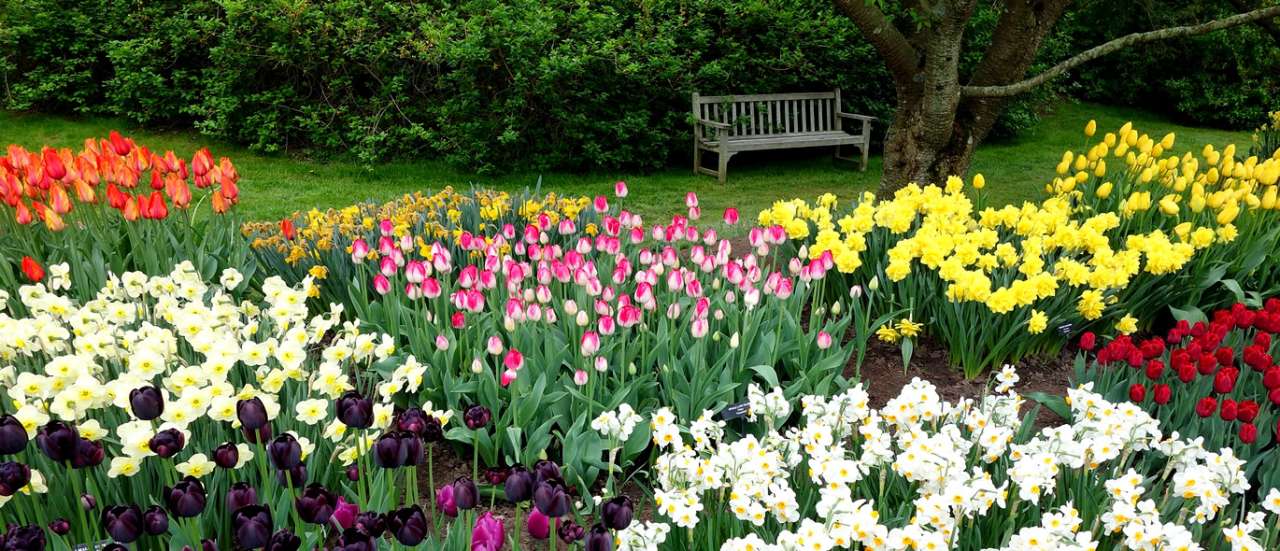
September is the time where you can plan and start planting spring bulbs for beautiful spring colour next year
Spring may seem a long way away, but September is the perfect time to start planning for next year's display. Spring-flowering bulbs are beginning to arrive in garden centres now, and planting early gives you the best choice of varieties while allowing bulbs plenty of time to establish roots before winter.
There is a huge range to choose from, including tulips, daffodils, crocus, hyacinths, alliums, fritillaries and many less familiar species. Think about planting bulbs in groups or drifts rather than individually for a more natural and impactful display next spring.
September is also a good time to decide where bulbs could be used to fill gaps in existing borders, planted beneath deciduous trees or naturalised through lawns and areas of grass.
We've put together a dedicated Spring Bulb Planting Quick Guide with more detailed advice on choosing, planting and caring for bulbs, so be sure to have a look before getting started.
Indoor Plants
As daylight hours begin to shorten, houseplants will gradually start to use less water. Begin reducing watering where appropriate, but always check the individual plant and compost rather than following a fixed schedule.
If houseplants have spent the summer outdoors, now is a good time to start bringing them back inside. Check foliage, stems and the surface of the compost carefully for pests before bringing plants indoors.
Plants that have been enjoying warm outdoor conditions can be particularly attractive to pests such as aphids, scale insects, mealybugs and spider mites, so deal with any problems before plants return to the house.
September is also a good time to give houseplants a gentle clean, removing dust from larger leaves and removing any damaged or yellowing foliage.
General Maintenance
Lawns may begin to recover from the stresses of summer as temperatures become cooler and rainfall increases. September is an excellent time for lawn maintenance, including scarifying, aerating, overseeding bare patches and applying an appropriate autumn lawn feed where required.
Continue mowing while the grass is actively growing, but gradually raise the cutting height as autumn approaches. Avoid cutting lawns too short as cooler weather arrives.
Keep paths, patios and steps clear of fallen leaves and other debris as autumn gets underway. Damp leaves can become slippery surprisingly quickly.
Ponds will soon begin to collect more fallen leaves, so consider putting netting over ponds before leaf fall becomes heavy. Remove any dead or dying foliage and continue checking pumps and filters to make sure they remain clear.
Take advantage of dry days to clean and sharpen garden tools before putting them away for the winter. Secateurs, shears and other cutting tools will work much better next season if they are cleaned, dried and properly maintained now.
Continue watering newly planted trees, shrubs and perennials during dry spells. Even though autumn rainfall is approaching, newly planted specimens still need consistent moisture while they establish their root systems.
Final Thoughts
September is a month of change in the garden, but there is no need to rush towards autumn just yet. There are still crops to harvest, flowers to enjoy and plenty of gardening to be done. At the same time, a little forward planning now — whether that's collecting seed, dividing perennials, dealing with vine weevil, planting spring bulbs or preparing the greenhouse — will make a real difference in the months ahead.
Take some time to enjoy the changing colours and cooler evenings, and start looking forward to everything next year's garden will bring.
Get your garden ready for the seasons ahead
From spring-flowering bulbs and autumn planting to vegetable seeds, compost, lawn care and plant protection, we have everything you need to enjoy September in the garden and prepare for the months ahead. Visit us in-store or browse our online shop for inspiration.