
Mulching is one of those simple gardening jobs that can make a real difference over time, yet it is often overlooked or thought of mainly as a way to make borders look tidy. Whether you're growing vegetables, planting shrubs or maintaining established flower beds, applying the right mulch can help protect and improve your soil, conserve moisture and reduce the amount of maintenance your garden needs.
Autumn is an especially useful time to think about mulching, as we can put fallen leaves and other garden materials to good use while preparing our gardens for the wetter, colder months ahead.
What Exactly Is Mulching?
Mulching simply means covering the surface of the soil with a layer of material. This might be homemade compost, fallen leaves, grass clippings, bark, wood chips or other suitable garden materials.
Think of a woodland floor. Leaves, twigs and other plant material fall to the ground, gradually break down and return organic matter and nutrients to the soil. The soil beneath is sheltered from the elements, and the layer of decomposing material provides a habitat for worms, insects and microorganisms.
Mulching brings some of these natural processes into our own gardens. We don't need to recreate a forest floor exactly, of course, but we can use the same principles to help maintain healthier soil.
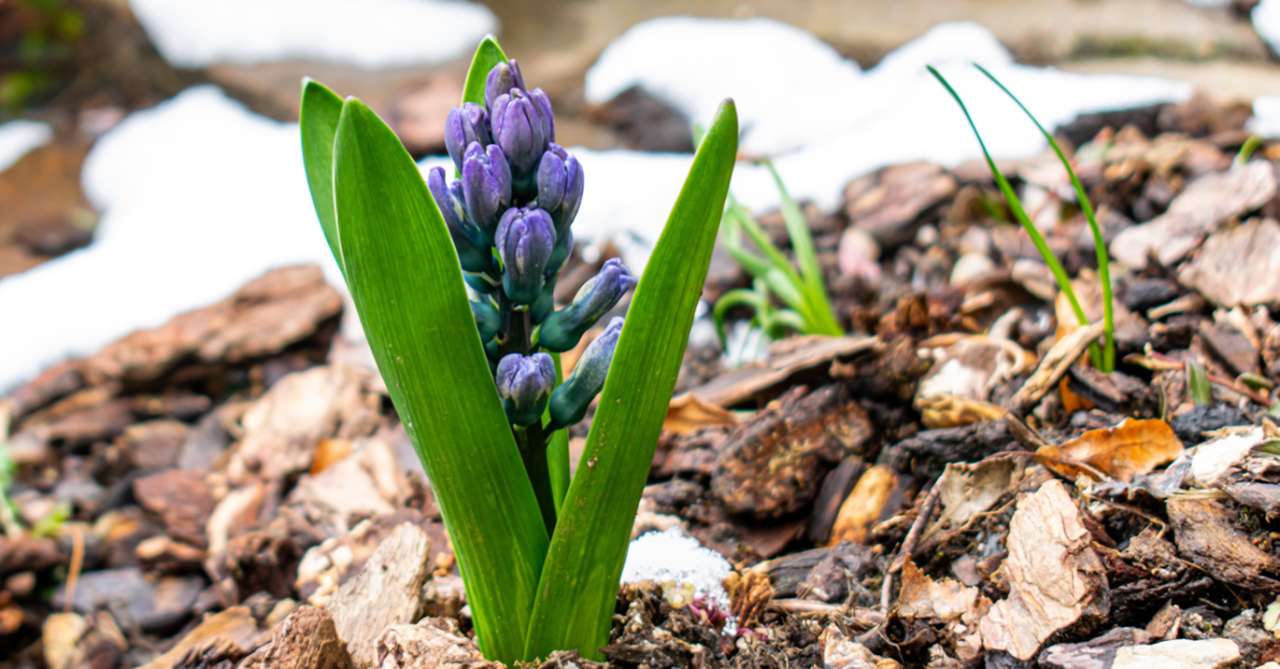
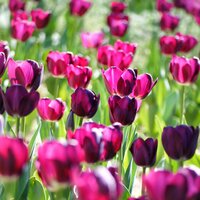
A dry bark mulch around areas where you have spring bulbs planted not only helps with weed suppression but also has a decorative effect of providing a backdrop so those emerging flowers can shine.
-Image by Cornell Frühauf from Pixabay
Why Should We Mulch?
There are several good reasons to mulch, and weed suppression is only one of them.
Protecting the soil: Bare soil is exposed to heavy rain, wind and temperature fluctuations. A layer of mulch helps protect the surface, reducing the impact of rainfall and the risk of soil erosion, particularly on slopes or exposed ground.
Conserving moisture: Mulch reduces direct evaporation from the soil surface, helping the ground retain moisture during drier periods. This can be particularly useful around newly planted shrubs, trees and vegetables, although it won't remove the need to water when conditions are dry.
Improving soil over time: Organic mulches, such as leaves and compost, gradually decompose and contribute organic matter to the soil. This supports soil organisms and can improve soil structure, helping it retain moisture while maintaining a better balance of air and water.
Moderating soil temperature: A mulch layer can help reduce fluctuations in soil temperature, keeping the ground cooler in summer and offering some insulation during cold weather.
Reducing maintenance: Mulch can reduce the amount of routine weeding, watering and soil repair required. It can also protect the ground beneath trees and shrubs from damage caused by lawnmowers and strimmers.
Does Mulch Really Suppress Weeds?
Yes, but with an important qualification: mulch can reduce weeds, but it won't necessarily eliminate them.
A sufficiently thick, even layer of mulch can make it more difficult for many weed seeds to germinate and establish. It also reduces the amount of bare soil available for new weeds to colonise.
However, the effectiveness depends on the material, its depth and the weeds you're dealing with.
In open gardens, particularly in rural areas of the west of Ireland, perennial weeds such as creeping buttercup and docks can be persistent. Established roots and underground growth can allow these plants to push through a layer of mulch, even when it is a couple of inches deep.
The good news is that weeds growing through mulch may be easier to remove. They can sometimes be less firmly anchored in the soil, although this isn't guaranteed, particularly with well-established perennial weeds.
For the best results, remove as many existing weeds and roots as practical before mulching. Remember that simply covering perennial weeds without dealing with their established root systems is unlikely to solve the problem.
What Materials Can You Use?
You don't necessarily need to buy mulch. Many useful materials are already being produced in the garden, and putting them to work can reduce waste as well as improve your soil.
Fallen leaves: One of the most readily available autumn mulches. Leaves can be spread beneath shrubs and trees or over established perennial beds. Shredding them with a mower can help them settle more evenly and break down more readily. Thick layers of wet leaves can mat together, however, so use them sensibly around smaller plants.
Garden compost: Finished compost is an excellent surface mulch, adding organic matter while improving the soil beneath. Rougher, partially decomposed compost can also be useful, depending on the plants and the job.
Grass clippings: Useful in small quantities, particularly around established vegetables and annual plants. Apply thin layers rather than one thick covering, as fresh clippings can compact, become slimy and restrict air and water movement. Avoid using clippings from lawns recently treated with herbicides unless you have followed the product guidance on their safe use.
Bark and wood chips: Longer-lasting materials that are particularly useful around trees, shrubs and established perennial borders. They can also be used to create informal garden paths. Coarse wood chips allow air and water to pass through more readily than fine material.
Hedge and shrub trimmings: Small, soft clippings can be spread beneath established plants, while woody material can be chopped or shredded for use as a coarser mulch. Larger branches may need a shredder or chipper.
Straw and other plant material: Straw can be useful around some vegetable crops and as seasonal ground cover, provided it is suitable for garden use and hasn't introduced unwanted weed seeds or contaminants.
The material you choose should suit the area you're mulching. Fine materials are generally better in thinner layers around smaller plants, while coarser wood chips are more suitable for established trees and shrubs.
How Thick Should Your Mulch Be?
There isn't one depth that suits every material and situation. As a practical starting point:
| Material | General guidance |
|---|---|
| Fine materials | Grass clippings should be applied in thin layers to avoid matting and restricting air and water movement. |
| Leaves and compost | Around 1–3 inches, adjusted to suit the plants and the material. |
| Bark and coarse wood chips | Around 2–4 inches can be suitable around established shrubs and trees. |
These are guidelines rather than rigid rules. The finer and more compactable the material, the more cautious you should be about applying it too deeply. Small, shallow-rooted plants may need a thinner covering than large, established shrubs.
Whatever material you use, keep it away from plant stems, crowns and the trunks of trees. Piling mulch against stems or creating a mound around a tree trunk can encourage moisture-related damage and provide shelter for pests.
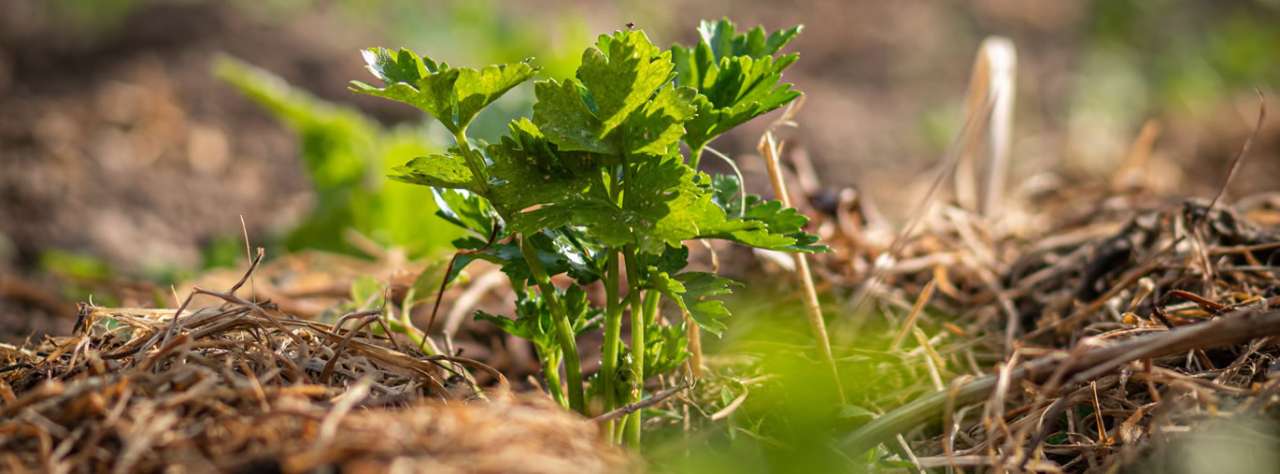
Mulching is also very useful around the veg patch, especially for vegetables that benefit from moisture retained in the soil like celery pictured here.
- Image by Andreas Göllner from Pixabay
When Is the Best Time to Mulch?
Mulching can be useful throughout the year, but the best timing depends on what you're trying to achieve.
Autumn: An excellent time to make use of fallen leaves and other garden materials. Mulching can protect bare soil from winter rain, reduce erosion and help insulate established planting areas. It is also a good opportunity to replenish the organic mulch around trees and shrubs.
Spring: Once the soil has begun to warm and plants are growing, a fresh layer of mulch can help conserve moisture and reduce weed germination through the growing season. Avoid covering cold, saturated soil with a thick layer before it has had a chance to warm and drain.
Summer: Mulching can be particularly useful during dry weather, helping to slow moisture loss. Water the soil thoroughly before applying a dry mulch if the ground is already dry, rather than simply covering dry soil and expecting the mulch to solve the problem.
You can also mulch around newly planted trees and shrubs at almost any suitable time, provided the soil conditions are right and the plants receive adequate water.
Mulching Around Trees and Shrubs
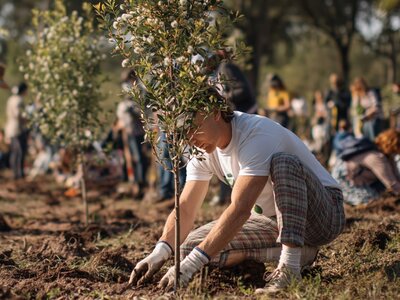
Established trees and shrubs can benefit considerably from a layer of organic mulch. Many of their fine, nutrient-absorbing roots are concentrated relatively close to the soil surface, where they compete with grass and weeds for water and nutrients.
Clearing grass and weeds from beneath the canopy, then applying a suitable mulch, reduces this competition and protects the soil. Where practical, extend the mulched area towards the outer edge of the canopy rather than creating only a small ring around the trunk.
Always leave a clear gap around the trunk and keep mulch away from the base of the plant. You want to protect the root zone, not bury the stem.
Mulch or Compost — What's the Difference?
The two are closely related, but they aren't quite the same thing.
Compost is decomposed organic material that can be mixed into the soil or applied to its surface. Mulch describes the protective layer placed on top of the soil, and it can consist of many different materials, including compost.
A layer of compost can therefore serve as a mulch, while bark or wood chips can be used primarily for surface protection and may take much longer to break down.
Woody materials are generally best left on the surface rather than dug into the soil, where their decomposition can temporarily tie up available nitrogen. If you're looking to improve the soil itself, finished compost is usually a more suitable material to incorporate.
For more information, see our Quick Garden Guide to Composting.
Further Reading
Dublin City Council has produced a useful, more detailed guide to mulch and mulching, covering suitable materials, application depths and how to use mulch in different parts of the garden.
This guide is provided by Dublin City Council for further information. Please refer to the original document for its full guidance and recommendations.
Source: Dublin City Council, Mulch and Mulching. The linked PDF is a council publication and is credited to Dublin City Council.
The real benefit is what happens over time: better-protected soil, more organic matter, improved growing conditions and, in many cases, less work for the gardener.
Look after the soil, and you're investing in the long-term health of your garden.
Explore our gardening guides for seasonal tips, useful techniques and advice to help you get the most from your garden.
Explore further Gardening Tips & Guides